Fugui Oxygen Chamber Technology (Zhongshan) Co., LTD

- All
- Product Name
- Product Keyword
- Product Model
- Product Summary
- Product Description
- Multi Field Search
English
Views: 0 Author: Site Editor Publish Time: 2025-12-24 Origin: Site


Have you ever wondered how oxygen can heal? Hyperbaric Oxygen Therapy (HBOT) uses oxygen chambers to treat various medical conditions. This therapy has a fascinating history and significant therapeutic benefits. In this post, we'll explore what HBOT is, how oxygen chambers work, and their importance in enhancing healing.
How Does HBOT Work?
Hyperbaric Oxygen Therapy (HBOT) operates on key scientific principles. One of the primary mechanisms is Henry’s Law, which states that the amount of gas dissolved in a liquid is proportional to its partial pressure. In simpler terms, when we increase the pressure in an oxygen chamber, more oxygen can dissolve into the bloodstream. This process enhances oxygen delivery to tissues, which is crucial for healing.
The physiological effects of HBOT are profound. Increased oxygen levels can promote cellular repair, reduce inflammation, and stimulate the growth of new blood vessels. This is particularly beneficial for patients suffering from conditions like chronic wounds or infections.
The Role of Oxygen Chambers
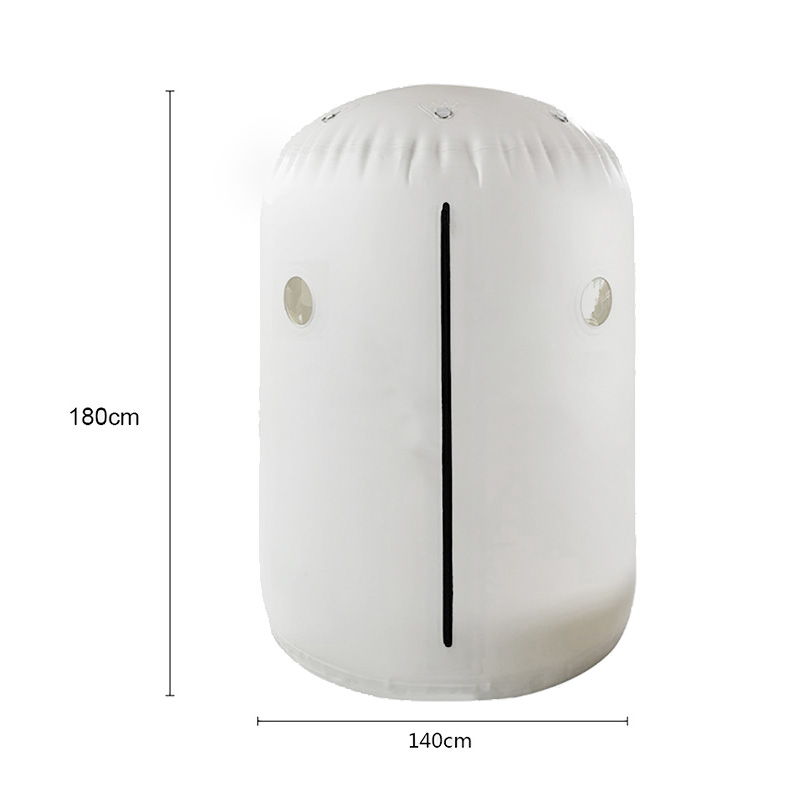
Oxygen chambers come in two main types: monoplace and multiplace. Monoplace chambers are designed for single patients, allowing them to breathe pure oxygen in a controlled environment. In contrast, multiplace chambers can accommodate multiple patients simultaneously, where they breathe oxygen through masks while in the chamber.
Safety measures are crucial during HBOT. Patients are monitored for potential side effects, such as barotrauma, which can occur due to pressure changes. Strict protocols are followed to ensure a safe environment, including pre-treatment evaluations and ongoing assessments throughout the therapy.
Medical Indications for HBOT
● HBOT is approved for various medical conditions. Some of the most common uses include:Decompression sickness: Often seen in divers, this condition occurs when nitrogen bubbles form in the bloodstream after a rapid ascent.
● Carbon monoxide poisoning: HBOT helps displace carbon monoxide from hemoglobin, restoring normal oxygen levels.
Emerging applications are gaining attention. For instance, HBOT is being explored for treating chronic wounds and diabetic foot ulcers. These conditions often involve poor blood flow, and increased oxygen delivery can enhance healing.
Potential Areas of Research
● Research continues to expand in several areas:Inflammatory and systemic diseases: Studies are investigating HBOT's potential to modulate immune responses and reduce inflammation.
● COVID-19 treatment: Some researchers are examining how HBOT might alleviate symptoms and improve recovery for COVID-19 patients.
● Cancer therapy: There is growing interest in using HBOT as an adjunct treatment, potentially enhancing the effectiveness of chemotherapy and radiation.
Real-life examples illustrate the benefits of HBOT. For instance, a study showed significant healing improvements in patients with diabetic foot ulcers after a series of HBOT sessions. Statistical evidence supports these findings, indicating that patients often experience faster recovery rates and reduced infection risks.
These results highlight the therapeutic potential of HBOT in various medical scenarios, making it a valuable treatment option for many patients.
Accelerated Wound Healing
Hyperbaric Oxygen Therapy (HBOT) significantly enhances tissue repair. When patients are exposed to high-pressure oxygen, the healing process speeds up. This therapy is particularly effective for conditions like radiation injuries and necrotizing infections.In these cases, increased oxygen availability promotes the growth of new blood vessels, which is crucial for delivering nutrients to damaged tissues. For example, studies show that patients with diabetic foot ulcers often heal faster after undergoing HBOT.
Antimicrobial Properties
HBOT also plays a crucial role in combating infections. By increasing oxygen levels in the body, it creates an environment that is hostile to anaerobic bacteria, which thrive in low-oxygen settings. This makes HBOT particularly effective for treating infections associated with chronic wounds.In addition, it enhances the body's natural defense mechanisms. Increased oxygen stimulates the production of white blood cells, which fight off infections. This dual action helps in reducing the risk of complications from wounds.
The impact of HBOT on the immune system is significant. It helps regulate inflammatory responses, making it beneficial for patients with autoimmune conditions. One of the key players here is Hypoxia-Inducible Factors (HIF), which are proteins that respond to low oxygen levels.
HIF plays a crucial role in regulating various cellular processes. By modulating HIF, HBOT can potentially improve the body’s response to inflammation and promote healing. This makes it a promising treatment option for various inflammatory diseases.
Mental Health Benefits
Beyond physical health, HBOT can positively affect mental well-being. Many patients report reduced stress and anxiety levels after treatment. This therapy has shown potential in treating conditions like PTSD and depression by promoting a sense of relaxation and well-being.The calming effects of increased oxygen flow can help alleviate symptoms of anxiety and improve overall mood. Patients often feel more energized and focused after their sessions.
Overall Quality of Life Enhancements
Patient testimonials highlight the transformative effects of HBOT on quality of life. Many individuals experience a significant boost in their daily activities and overall health.
These improvements contribute to a better overall life experience. As patients report enhanced physical and mental health, they often find renewed motivation to engage in activities they enjoy.
Common Adverse Effects
While Hyperbaric Oxygen Therapy (HBOT) is generally safe, it does come with potential risks. One of the most common complications is barotrauma, which occurs when pressure changes cause damage to the ears or lungs. This can lead to discomfort or more serious injuries if not addressed properly.
Another concern is oxygen toxicity, which can arise from prolonged exposure to high oxygen levels. Symptoms may include vision changes, seizures, or respiratory issues. To mitigate these risks, healthcare providers closely monitor patients throughout their sessions.
Here are some key strategies to minimize risks during treatment:
● Pre-treatment assessments: Ensure a thorough evaluation of the patient's medical history.
● Monitoring during sessions: Continuous observation helps catch any adverse reactions early.
● Limit session duration: Following established guidelines for treatment length can prevent complications.
Certain conditions may prevent patients from safely undergoing HBOT. For instance, individuals with untreated pneumothorax or certain respiratory issues may face significant risks. Other contraindications include:
● Severe asthma: Increased pressure can exacerbate breathing difficulties.
● Certain medications: Some drugs may interact negatively with oxygen therapy.
Before starting HBOT, it’s crucial to undergo a medical evaluation. This assessment helps determine if the therapy is appropriate and safe for the individual.
Condition | Contraindication |
Untreated Pneumothorax | High risk of lung injury |
Severe Asthma | Increased breathing difficulties |
Certain Medications | Potential adverse reactions |
What to Expect During Treatment
If you're new to HBOT, understanding what to expect can ease anxiety. A typical session begins with a pre-treatment briefing, where healthcare staff explain the procedure. Patients then enter the oxygen chamber, which may be a monoplace or multiplace setup.During the session, you will breathe pure oxygen at higher than normal atmospheric pressure. The duration of each treatment usually ranges from 60 to 120 minutes, depending on the condition being treated. Frequency can vary, but many patients undergo multiple sessions over several weeks.
Post-Treatment Care and Recommendations
● After your HBOT session, there are some important aftercare tips to follow. It’s essential to stay hydrated and avoid strenuous activities for the rest of the day. Additionally, patients should be aware of signs to watch for, such as:Persistent ear pain: This could indicate barotrauma.
● Difficulty breathing: Seek medical attention if this occurs.
● Unusual fatigue: While some tiredness is normal, extreme fatigue should be reported.
Common Adverse Effects
While Hyperbaric Oxygen Therapy (HBOT) is generally safe, it does come with potential risks. One of the most common complications is barotrauma, which occurs when pressure changes cause damage to the ears or lungs. This can lead to discomfort or more serious injuries if not addressed properly.
Another concern is oxygen toxicity, which can arise from prolonged exposure to high oxygen levels. Symptoms may include vision changes, seizures, or respiratory issues. To mitigate these risks, healthcare providers closely monitor patients throughout their sessions.
Here are some key strategies to minimize risks during treatment:
● Pre-treatment assessments: Ensure a thorough evaluation of the patient's medical history.
● Monitoring during sessions: Continuous observation helps catch any adverse reactions early.
● Limit session duration: Following established guidelines for treatment length can prevent complications.
Certain conditions may prevent patients from safely undergoing HBOT. For instance, individuals with untreated pneumothorax or certain respiratory issues may face significant risks. Other contraindications include:
● Severe asthma: Increased pressure can exacerbate breathing difficulties.
● Certain medications: Some drugs may interact negatively with oxygen therapy.
Before starting HBOT, it’s crucial to undergo a medical evaluation. This assessment helps determine if the therapy is appropriate and safe for the individual.
Condition | Contraindication |
Untreated Pneumothorax | High risk of lung injury |
Severe Asthma | Increased breathing difficulties |
Certain Medications | Potential adverse reactions |
If you're new to Hyperbaric Oxygen Therapy (HBOT), understanding what to expect can significantly ease any anxiety you might have. A typical session begins with a pre-treatment briefing conducted by healthcare staff. During this briefing, they will explain the entire procedure, addressing any questions or concerns you may have. This step is crucial for ensuring that you feel comfortable and informed before entering the oxygen chamber.
Once the briefing is complete, patients then enter the oxygen chamber, which may be either a monoplace or multiplace setup. In a monoplace chamber, you will be alone in a single-person unit, while in a multiplace chamber, multiple patients can be treated simultaneously. Regardless of the type, the environment is specifically designed to provide a safe and controlled atmosphere for therapy.
During the session, you will breathe pure oxygen at higher than normal atmospheric pressure. This increased pressure allows more oxygen to dissolve into your bloodstream, enhancing the healing process. The duration of each treatment typically ranges from 60 to 120 minutes, depending on the specific condition being treated. For example, more severe conditions may require longer sessions. The frequency of treatments can vary widely; many patients undergo multiple sessions over several weeks to achieve optimal results.
After your HBOT session, there are several important aftercare tips to follow to ensure your well-being and maximize the benefits of the therapy. First and foremost, it’s essential to stay hydrated. Drinking plenty of water helps your body flush out any toxins and maintain optimal hydration levels.
Additionally, it’s advisable to avoid strenuous activities for the rest of the day. Engaging in heavy exercise or physically demanding tasks immediately after treatment can lead to unnecessary fatigue or discomfort.
Patients should also be aware of specific signs to monitor after their sessions. For instance, if you experience persistent ear pain, this could indicate barotrauma, a condition that occurs due to pressure changes in the chamber. If such pain persists, it’s important to consult with your healthcare provider.
Another critical sign to watch for is difficulty breathing. Should this occur, it’s vital to seek medical attention immediately, as it may indicate a serious issue that requires prompt intervention.
Lastly, while some tiredness is to be expected after a session, extreme fatigue should not be overlooked. If you find yourself feeling unusually exhausted, it is important to report this to your healthcare team, as it may require further evaluation.
By following these guidelines, you can enhance your safety and overall experience during HBOT, allowing you to reap the full benefits of this innovative therapy.
Hyperbaric Oxygen Therapy (HBOT) offers numerous benefits. It enhances wound healing, combats infections, and supports immune function. Patients often report improved mental health and overall quality of life.
We encourage readers to consider HBOT as a viable treatment option. For those interested in high-quality HBOT solutions, Fugui provides exceptional products that deliver significant value. Consult healthcare professionals about how HBOT can benefit you.
A: Hyperbaric oxygen therapy (HBOT) involves breathing pure oxygen in an oxygen chamber at higher than normal atmospheric pressure, promoting healing.
A: An oxygen chamber increases oxygen levels in the bloodstream, enhancing tissue repair and fighting infections.
A: Benefits include accelerated wound healing, reduced inflammation, and improved immune response.
A: HBOT can be effective for various conditions, including chronic wounds and infections, making it a valuable treatment option.
A: The cost of HBOT varies by location and provider, often depending on the number of sessions needed in the oxygen chamber.


