Fugui Oxygen Chamber Technology (Zhongshan) Co., LTD

- All
- Product Name
- Product Keyword
- Product Model
- Product Summary
- Product Description
- Multi Field Search
English
Views: 0 Author: Site Editor Publish Time: 2026-01-15 Origin: Site


Have you ever wondered how a hyperbaric oxygen chamber helps with healing? It might seem like a simple concept, but the science behind it is fascinating. In this article, we will explore the inner workings of Hyperbaric Oxygen Therapy (HBOT), a treatment designed to speed up the body’s natural healing process. You will learn how it works at a medical level, how it accelerates recovery, and its growing importance in treating various conditions like chronic wounds and post-surgery recovery.
Henry’s Law states that gas solubility in a liquid increases with pressure. In HBOT, higher pressure allows oxygen to dissolve directly into the blood plasma, cerebrospinal fluid, and lymph, bypassing the need for red blood cells. This enables oxygen to reach tissues with poor or no blood supply, such as diabetic foot ulcers or radiation-damaged tissues, enhancing healing in areas that otherwise struggle to receive sufficient oxygen.
Boyle's Law explains that as pressure increases, the volume of gas decreases. In HBOT, this principle is useful for treating decompression sickness, where nitrogen bubbles form in the bloodstream. The increased pressure reduces the size of these bubbles, restoring normal blood flow and preventing further damage, thus alleviating symptoms and aiding recovery.
Under higher pressure, the body absorbs more oxygen than at normal atmospheric pressure. This additional oxygen dissolves in the blood plasma, allowing it to reach tissues with restricted circulation. This is crucial for healing wounds or damaged tissues, as oxygen-rich plasma can be delivered to areas that would not receive enough oxygen under normal conditions, promoting faster recovery.
One of the most remarkable effects of HBOT is its ability to promote angiogenesis—the formation of new blood vessels. The high-oxygen environment encourages the growth of new capillaries, which improves blood flow to tissues that suffer from poor circulation. This is especially critical in treating chronic wounds, such as those seen in diabetic patients, where circulation issues prevent proper healing. By increasing the oxygen supply, HBOT helps regenerate damaged tissues and accelerates the healing process.
HBOT plays a key role in reducing swelling (edema). The high oxygen levels lead to vasoconstriction, or the narrowing of blood vessels, which reduces fluid leakage and swelling in the surrounding tissues. This effect is particularly beneficial in treating injuries and conditions where excessive fluid buildup can hinder the healing process. As swelling decreases, oxygen can be delivered more effectively to the affected areas, facilitating quicker and more efficient tissue repair.
Studies show that HBOT can stimulate the release of stem cells from bone marrow. These stem cells play a crucial role in tissue regeneration, as they can differentiate into various types of cells necessary for healing. By promoting the mobilization of stem cells to the site of injury or damage, HBOT significantly supports the body’s natural regenerative processes, contributing to faster and more effective recovery.
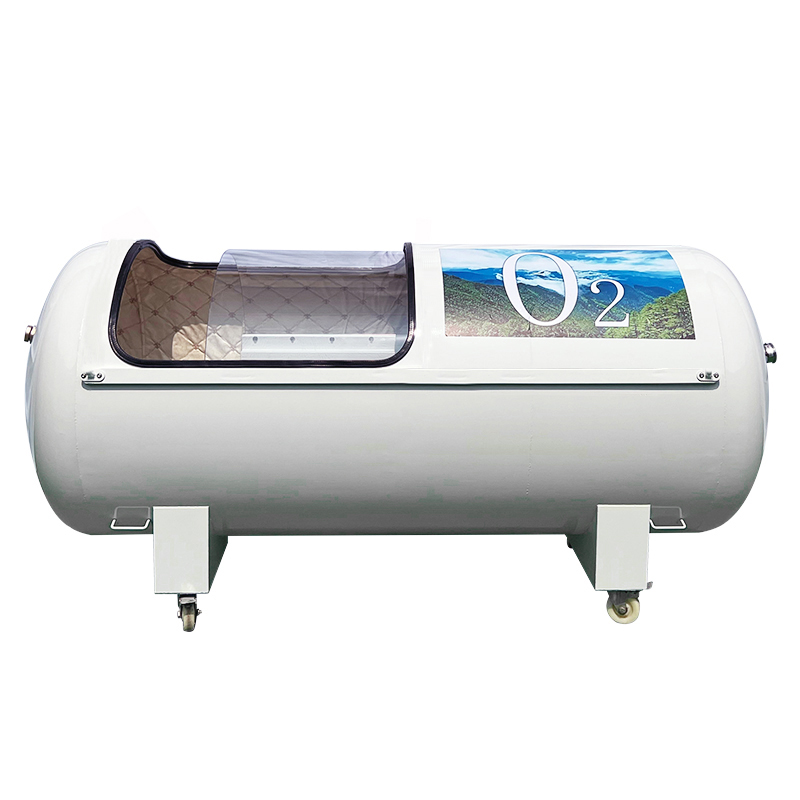
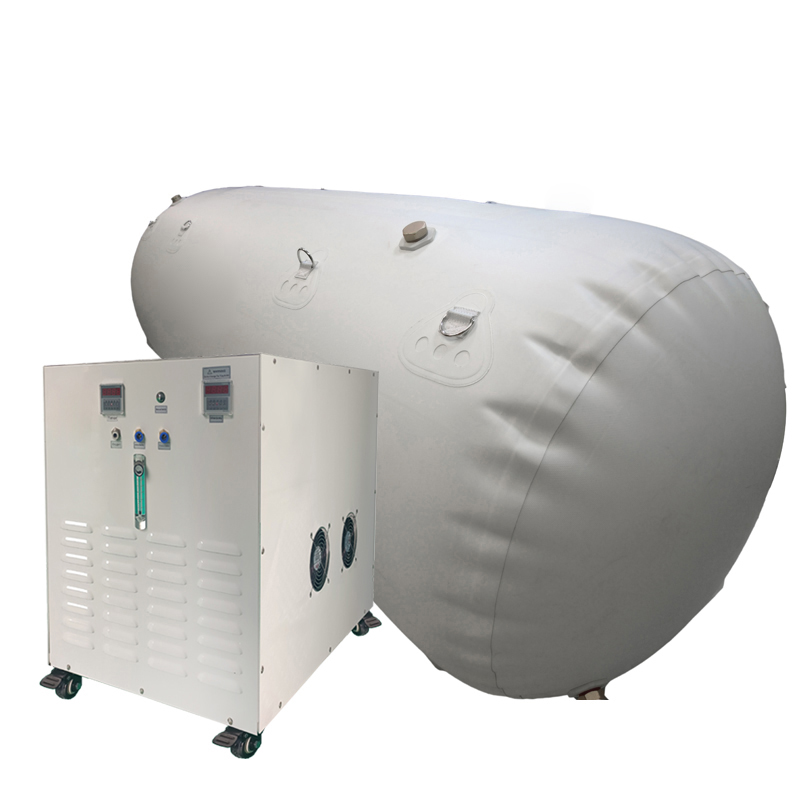
Hyperbaric Oxygen Therapy (HBOT) uses two main types of chambers: monoplace chambers and multiplace chambers. Each type offers different setups and treatment experiences. The table below outlines the differences between these chambers, including their applications, considerations, and technical specifications.
| Type | Application | Treatment Mechanism | Considerations | Technical Indicators |
|---|---|---|---|---|
| Monoplace Chamber | Designed for single-patient treatment, ideal for personal care and smaller-scale treatments. | The patient enters a sealed acrylic chamber pressurized with 100% oxygen, fully exposed to a pure oxygen environment. | Suitable for individual treatments; sessions typically last 90-120 minutes. | Pressure: 2.0–3.0 ATA, treatment duration: 90–120 minutes, pure oxygen delivery. |
| Multiplace Chamber | Can accommodate multiple patients at once, commonly used in hospitals or large treatment centers. | The chamber is pressurized with normal air, while patients breathe 100% oxygen through a mask or hood, allowing simultaneous treatment. | Ideal for group treatments; offers flexibility for long-term therapy. | Pressure: 2.0–3.0 ATA, patients breathe oxygen through masks or hoods, treatment duration: 60–90 minutes, adjustable based on condition. |
Tip: When using a multiplace chamber, ensure that each patient receives adequate oxygen supply and that the oxygen delivery system is regularly checked to ensure proper functioning.
In both types of chambers, oxygen is delivered via a mask or hood. The mask or hood ensures a constant supply of pure oxygen to the patient’s respiratory system. The oxygen is supplied at the same pressure as the chamber, ensuring that the therapy remains effective without causing discomfort. Modern chambers are equipped with sensitive mechanisms that adjust the oxygen flow automatically based on the patient’s inhalation, providing a seamless and comfortable treatment experience.
HBOT is known to induce controlled bursts of reactive oxygen species (ROS), which are molecules that play a critical role in cell signaling and immune responses. While excessive ROS can be harmful, therapeutic doses act as secondary messengers that promote beneficial responses in the body. For instance, these bursts of ROS stimulate the production of protective antioxidants such as catalase and superoxide dismutase, which help the body fight oxidative stress and inflammation.
The high oxygen levels delivered during HBOT also enhance collagen production, which is vital for tissue repair. Collagen is a protein that forms the structural foundation for new tissue, making it essential for wound healing. By stimulating collagen synthesis, HBOT accelerates the body’s ability to repair damaged skin, muscles, and connective tissues. This is particularly beneficial for chronic wounds that require prolonged healing times under normal conditions.
HBOT is FDA-approved for the treatment of several serious medical conditions. Below is a detailed breakdown of these conditions, including how HBOT helps and important considerations for treatment.
| Condition | Application | Mechanism of Action | Treatment Considerations | Technical Indicators |
|---|---|---|---|---|
| Decompression Sickness (The Bends) | Affects divers and aviators who ascend too quickly, leading to nitrogen bubbles in the bloodstream. | HBOT helps by reducing the size of nitrogen bubbles in blood vessels, improving blood flow and preventing further damage. | Must be administered immediately after symptoms appear. | Pressurized chamber at 2.0–3.0 ATA, 90–120 minutes of treatment. |
| Carbon Monoxide Poisoning | Occurs when carbon monoxide is inhaled, reducing the oxygen-carrying capacity of blood. | HBOT helps to displace carbon monoxide from hemoglobin, increasing the oxygen supply to tissues. | Immediate treatment is necessary, especially in severe cases. | Typically 3.0 ATA pressure, 100% oxygen delivered through a mask for 90–120 minutes. |
| Diabetic Foot Ulcers | Non-healing ulcers in diabetic patients due to poor circulation. | Oxygen delivered through HBOT improves circulation and promotes angiogenesis (new blood vessel growth) to accelerate healing of ulcers. | Treatment duration may vary depending on ulcer severity. | Pressure typically at 2.0–2.5 ATA, with sessions lasting 60–90 minutes each. |
| Radiation Tissue Damage | Necrosis or tissue damage caused by radiation therapy. | HBOT helps by enhancing oxygenation to damaged tissues, supporting tissue repair, and reducing radiation-induced damage. | Often used after radiation therapy when wounds show little improvement. | 2.0 ATA pressure for 60–90 minutes per session, multiple sessions over weeks. |
| Gas Gangrene | A severe bacterial infection caused by Clostridium species, leading to tissue death. | Oxygen toxicity to the bacteria, alongside improved oxygenation to damaged tissues, aids in clearing the infection and supporting tissue regeneration. | Immediate intervention required to prevent further tissue necrosis. | 3.0 ATA pressure for 90–120 minutes, usually accompanied by antibiotics. |
Tip: For conditions like diabetic foot ulcers and radiation tissue damage, ongoing monitoring and consistent treatment sessions are crucial to achieving optimal healing results with HBOT.
In addition to FDA-approved uses, HBOT is showing promise in treating several emerging conditions. The table below outlines these applications, providing insights into the potential benefits, mechanisms, and treatment considerations for each.
| Condition | Application | Mechanism of Action | Treatment Considerations | Technical Indicators |
|---|---|---|---|---|
| Long COVID | Improving cognitive function and reducing symptoms such as "brain fog." | HBOT enhances oxygen delivery to brain tissues, improving brain function and potentially reversing cognitive decline associated with prolonged viral infections. | Treatment may require multiple sessions to observe significant effects. | Pressurized chamber at 2.0-2.5 ATA, 60-90 minute sessions, typically 10-30 sessions. |
| Neurological Rehabilitation | Post-stroke or traumatic brain injury rehabilitation to enhance recovery and brain plasticity. | Increased oxygen supply to the brain stimulates neuroplasticity, promotes mitochondrial function, and aids in restoring lost brain function. | Monitoring is essential to tailor treatment based on severity and progress. | 2.0 ATA pressure, 60-90 minute sessions, 10-20 sessions depending on the condition. |
| Aging Biomarkers | Telomere shortening and other aging-related conditions with potential anti-aging applications. | HBOT boosts the production of stem cells and improves mitochondrial function, which may help slow down aging and cellular degeneration. | Requires long-term studies to determine full benefits. | 2.5 ATA pressure, sessions lasting 60-90 minutes, 20+ sessions to see substantial benefits. |
Tip: For conditions like Long COVID and neurological rehabilitation, HBOT should be used as part of a comprehensive treatment plan under the guidance of medical professionals for optimal results.
Like any medical treatment, Hyperbaric Oxygen Therapy (HBOT) may cause some side effects, although they are typically mild and temporary. One of the most common side effects is ear discomfort, similar to the feeling of pressure changes during airplane takeoffs or landings. Patients may also experience temporary visual changes, such as myopia, especially after multiple treatments. These effects usually resolve on their own once treatment is completed and do not result in long-term complications.
HBOT is generally safe for most patients, but there are some risks that must be considered. Oxygen toxicity is a potential concern if the body is exposed to high oxygen levels for extended periods. Symptoms of oxygen toxicity can include coughing, shortness of breath, and in rare cases, seizures. It's important to follow treatment guidelines to minimize the risk of these side effects, and modern chambers have safety measures in place to monitor oxygen levels throughout therapy.
To ensure patient safety during treatment, modern hyperbaric oxygen chambers are equipped with advanced safety protocols. These include AI-driven pressure monitoring systems, which adjust the chamber pressure automatically to maintain optimal conditions. These systems help prevent issues like oxygen toxicity and ensure that patients receive a safe and effective treatment experience. Additionally, healthcare providers closely monitor patients throughout the session to detect and address any adverse reactions early.
Hyperbaric Oxygen Therapy (HBOT) is a powerful treatment that accelerates healing and tissue repair by delivering high levels of oxygen to damaged areas. Understanding how a Hyperbaric Oxygen Chamber works allows healthcare providers and patients to maximize its benefits for conditions like chronic wounds and neurological rehabilitation. As HBOT continues to grow in medical applications, Fugui Oxygen Chamber Technology (Zhongshan) Co., LTD. provides advanced solutions that offer superior recovery outcomes, ensuring effective and safe treatments.
A: A Hyperbaric Oxygen Chamber is a pressurized environment where patients breathe 100% oxygen. This therapy helps accelerate healing by delivering high oxygen levels to damaged tissues and areas with poor circulation.
A: The chamber increases atmospheric pressure, allowing oxygen to dissolve directly into the blood plasma. This helps oxygen reach areas that might not receive enough oxygen under normal conditions, promoting faster healing.
A: Hyperbaric Oxygen Chambers are used to treat conditions like diabetic foot ulcers, radiation tissue damage, decompression sickness, and carbon monoxide poisoning by enhancing oxygen delivery to affected tissues.
A: The Hyperbaric Oxygen Chamber boosts oxygen levels in the body, promoting tissue regeneration, reducing inflammation, and stimulating the growth of new blood vessels, all of which contribute to faster healing.
A: The cost of a Hyperbaric Oxygen Chamber session varies by location and treatment type. Generally, sessions can range from $100 to $300 per treatment. Consult local providers for specific pricing.


