Fugui Oxygen Chamber Technology (Zhongshan) Co., LTD

- All
- Product Name
- Product Keyword
- Product Model
- Product Summary
- Product Description
- Multi Field Search
English
Views: 0 Author: Site Editor Publish Time: 2026-01-29 Origin: Site


Hyperbaric Oxygen Therapy (HBOT) has become a game-changer for athletes. This therapy delivers pure oxygen in a pressurized chamber, speeding up muscle recovery, reducing inflammation, and enhancing endurance. In this article, we’ll dive into how HBOT works, its benefits for athletes, and why it’s a critical tool in modern sports medicine. You'll learn how HBOT can boost performance and recovery for athletes at all levels.
HBOT increases the amount of oxygen in the blood plasma, which allows oxygen to reach areas with poor circulation, such as injured tissues or muscles. Under normal circumstances, oxygen is carried by red blood cells, but in a hyperbaric environment, oxygen dissolves directly into the plasma. This enables the oxygen to penetrate deeper into tissues that may have been deprived of sufficient oxygen, promoting healing and reducing the time needed for muscle recovery. This enhanced oxygen delivery accelerates the body’s natural healing processes, enabling muscles to recover faster after strenuous exercise or injury.
HBOT improves oxygen exchange and promotes immune cells' transition to an anti-inflammatory state, reducing muscle swelling and inflammation after exercise. This is crucial for athletes, as excessive inflammation not only extends recovery time but also affects training effectiveness and performance.
| Mechanism | Description | Effect | Key Parameters |
|---|---|---|---|
| Enhanced Oxygen Exchange | Oxygen penetrates deeper tissues, promoting anti-inflammatory responses. | Reduce swelling, control inflammation | Inflammation markers (e.g., IL-6, TNF-α) levels |
| Immune System Regulation | HBOT promotes immune cell transition to an anti-inflammatory state, reducing acute inflammation. | Speed up healing, reduce fatigue | Serum immunoglobulins, white blood cell count |
| Tissue Repair Promotion | HBOT promotes blood flow and tissue regeneration, enhancing repair effects. | Reduce tissue damage, improve circulation | Blood flow, tissue repair markers (e.g., VEGF) |
Tip: HBOT not only promotes recovery by reducing inflammation but also helps prevent further tissue damage, which is particularly crucial for long-term athlete health.
ATP, or adenosine triphosphate, is the primary energy carrier in cells, crucial for muscle contractions during exercise. HBOT enhances mitochondrial function, the powerhouse of cells, by providing them with more oxygen. This leads to an increase in ATP production, which is essential for reducing fatigue and improving overall stamina. By boosting the body’s energy reserves, HBOT helps athletes maintain peak performance levels and reduces the recovery time needed between intense workout sessions or competitions.
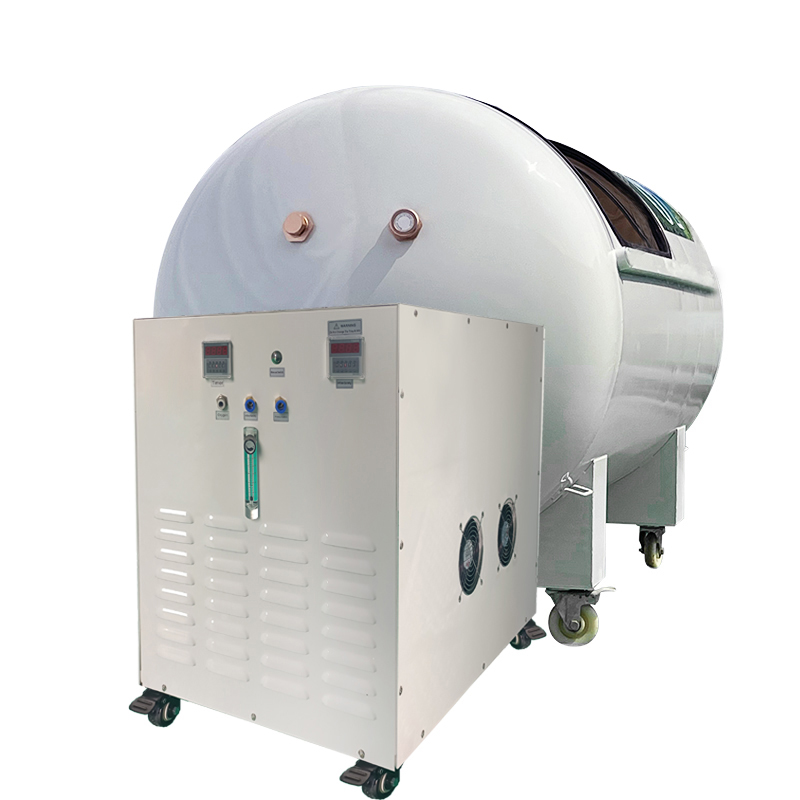
After high-intensity workouts, muscles often experience delayed onset muscle soreness (DOMS), which can be a significant barrier to maintaining a consistent training routine. HBOT helps accelerate the healing process by improving oxygenation and reducing muscle soreness. The therapy helps clear metabolic waste such as lactic acid, which builds up during intense exercise and contributes to muscle fatigue. By enhancing the body’s ability to remove these waste products, HBOT allows muscles to recover faster, enabling athletes to train harder and more frequently without the typical downtime.
| Mechanism | Description | Effect | Key Indicators |
|---|---|---|---|
| Accelerated Lactic Acid Clearance | HBOT helps clear lactic acid and metabolic waste, reducing muscle fatigue. | Shorten recovery time, alleviate muscle soreness | Blood lactate levels, muscle soreness rating (VAS scale) |
| Improved Oxygen Supply | Additional oxygen aids in restoring muscle energy reserves, accelerating recovery. | Improve recovery speed, reduce muscle fatigue | Blood oxygen levels, ATP synthesis rate |
| Enhanced Recovery Speed | HBOT stimulates cell repair and regeneration, promoting faster recovery. | Increase training intensity, reduce training intervals | Training intensity, recovery time length |
HBOT's ability to increase oxygen levels in the bloodstream also benefits endurance athletes. When muscles receive an ample supply of oxygen, they are able to perform for longer periods without fatigue. The increased oxygen supports improved mitochondrial function, which enhances aerobic metabolism and boosts stamina. As a result, athletes can maintain higher energy levels during prolonged physical activities, improving their performance in endurance sports such as long-distance running, cycling, or swimming.
Injury recovery is a key area where HBOT shows significant promise. The therapy accelerates the healing of soft tissue injuries, such as muscle strains, ligament sprains, and stress fractures, by stimulating blood flow to the affected areas and promoting the formation of new blood vessels (angiogenesis). By enhancing tissue repair and collagen synthesis, HBOT helps to rebuild injured tissues faster, reducing recovery times and improving the overall healing process. This is particularly beneficial for athletes who need to recover quickly to return to competition.
Collagen plays a crucial role in the repair of muscle and connective tissue. It is the primary structural protein found in tissues such as tendons, ligaments, and muscles. HBOT stimulates collagen production by providing an oxygen-rich environment, which accelerates the healing of damaged tissues. Increased collagen synthesis helps to strengthen connective tissues, making them more resilient to future injury. This is especially important for athletes who put significant strain on their muscles and connective tissues during training or competition.
HBOT enhances stem cell activity, which plays a vital role in the regeneration of damaged tissues. The therapy encourages the proliferation and differentiation of stem cells, which then contribute to the repair of muscle fibers and other tissues. By boosting stem cell activity, HBOT helps to regenerate muscle tissues more quickly, facilitating faster recovery after injury or intense physical exertion. This regenerative process is key to repairing muscle damage and improving overall muscle health, enabling athletes to recover more efficiently.
One of the key benefits of HBOT is its ability to stimulate angiogenesis, the process by which new blood vessels are formed. Oxygen-rich environments promote the growth of new blood vessels, which improves the blood supply to damaged tissues. In muscles, this enhanced blood flow brings vital nutrients and oxygen to the healing tissue, further accelerating the recovery process. By improving blood circulation, HBOT supports long-term tissue repair and regeneration, ensuring that athletes can recover more effectively from injuries.
HBOT helps accelerate the muscle damage healing process. By improving oxygen supply, HBOT promotes the transition from the inflammatory phase to the healing phase, allowing muscles to recover more efficiently. This process is particularly important for athletes, as it shortens the time needed for recovery and return to normal training.
| Phase | Description | Effect | Key Indicators |
|---|---|---|---|
| Inflammatory Phase | HBOT helps reduce swelling and pain, inhibiting inflammation. | Reduce inflammation, reduce swelling | Redness disappearance time, C-reactive protein (CRP) levels |
| Healing Phase | Promotes oxygen delivery to injured areas, supports muscle fiber repair and regeneration. | Accelerates tissue repair, increases blood flow | Tissue repair speed, muscle strength recovery |
| Complete Healing | HBOT accelerates angiogenesis (new blood vessel formation), improving blood supply to tissues. | Enhanced repair effect, improved functional recovery | Angiogenesis markers, muscle strength, athletic performance |
Tip: In the muscle repair process, appropriate HBOT treatment not only shortens recovery time but also improves the quality of recovery and performance enhancement.
Muscle soreness and fatigue are common after intense physical exertion. HBOT helps to alleviate these symptoms by reducing the buildup of fatigue-inducing substances like lactic acid, which accumulates during intense workouts. By clearing these metabolic waste products more efficiently, HBOT reduces muscle soreness and helps athletes feel less fatigued, enabling them to train harder and perform at their best with less downtime.
HBOT improves cellular function by providing oxygen to tissues that are under stress due to physical exertion. This enhanced oxygen supply supports the mitochondria, which produce energy for cells. As a result, HBOT helps improve cellular energy production, which is crucial for sustaining performance during prolonged or intense activities. By optimizing cellular function, HBOT enables athletes to perform better, recover faster, and achieve greater overall athletic performance.
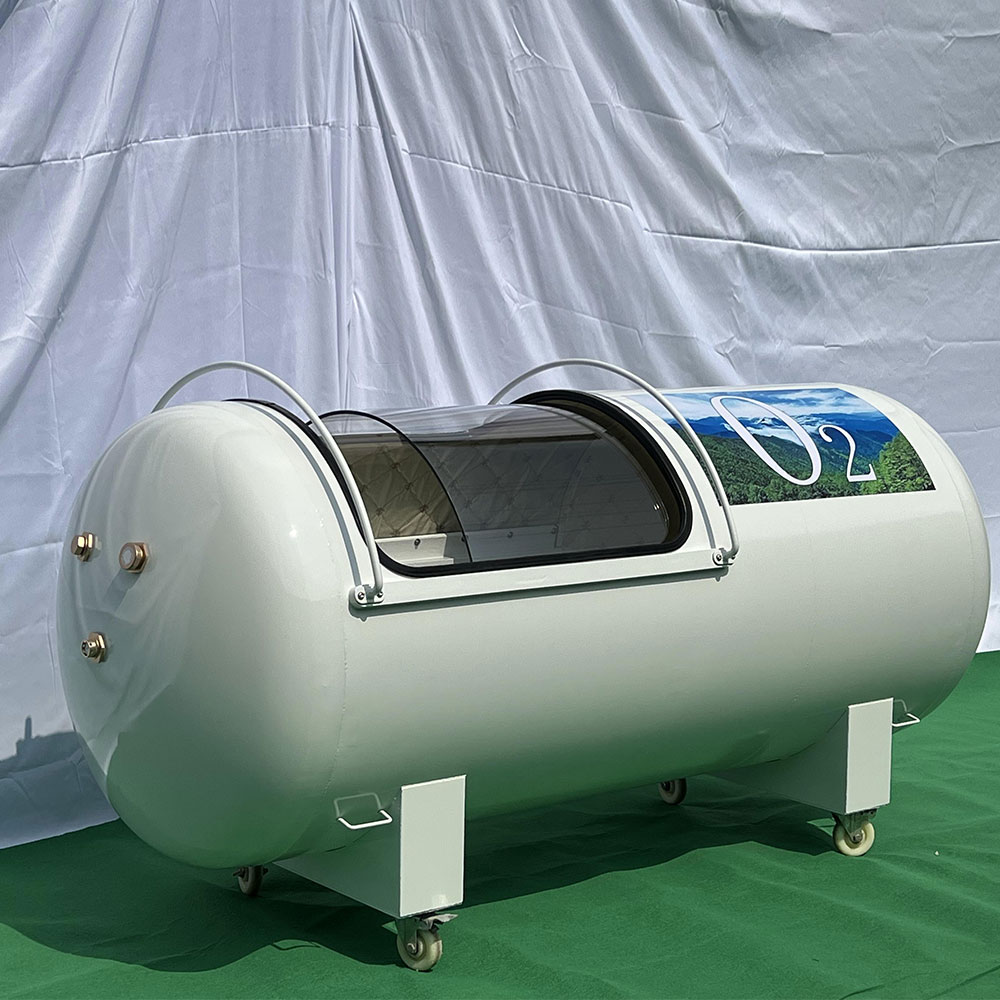
Multiple studies have shown that HBOT can significantly reduce muscle fatigue and accelerate recovery after high-intensity workouts. Research published in the Journal of Strength and Conditioning Research found that athletes who used HBOT after exercise experienced faster muscle strength recovery and reduced fatigue levels. These findings support the use of HBOT as an effective tool for managing muscle fatigue and optimizing recovery time.
Studies have demonstrated that HBOT accelerates the healing of soft tissue injuries, such as muscle strains and ligament sprains. Research published in the American Journal of Physiology showed that athletes who received HBOT after soft tissue injuries healed faster and had reduced recovery times compared to those who did not undergo the therapy. This makes HBOT a valuable treatment option for athletes recovering from musculoskeletal injuries.
Several studies have suggested that HBOT can enhance endurance performance by improving mitochondrial function. Research published in the Sports Medicine Journal found that HBOT increased the efficiency of mitochondria, leading to improved energy production and reduced fatigue during endurance events. This enhancement in cellular function helps athletes sustain higher performance levels during long-distance or endurance-based activities.
When searching for HBOT facilities, athletes should look for those that specialize in sports-specific protocols. Many HBOT centers offer treatments tailored to the needs of athletes, optimizing sessions for recovery, performance, or injury rehabilitation. These facilities are often equipped with advanced chambers and experienced staff who can customize the treatment based on an athlete's unique requirements.
The frequency of HBOT sessions depends on the athlete’s training intensity and recovery goals. For regular training recovery, 2-3 sessions per week are recommended, while athletes recovering from an injury may need daily or alternate-day sessions for a period of 1-2 weeks. For performance maintenance, 1 session per week or fortnight may be sufficient. It's essential for athletes to work with a healthcare provider to determine the optimal frequency for their specific needs.
HBOT can be costly, with sessions ranging from $200 to $500, depending on the location and facility. However, many clinics offer packages tailored for athletes, making the therapy more affordable. While professional sports organizations may have on-site chambers, individual athletes can find local facilities offering HBOT services. Athletes should consider the cost and accessibility when integrating HBOT into their training or recovery routines.
Hyperbaric Oxygen Therapy (HBOT) has emerged as a transformative tool for athletes, aiding in faster muscle recovery, enhanced endurance, and better overall performance. By delivering oxygen-rich blood to muscles and tissues, HBOT accelerates healing processes, reduces inflammation, and improves stamina, allowing athletes to push their limits. Fugui Oxygen Chamber Technology (Zhongshan) Co., LTD. offers advanced HBOT solutions that promote rapid recovery and optimal performance, helping athletes recover quickly from training and injuries. Their products, designed for high-performance athletes, deliver consistent, high-quality treatments to support recovery and enhance endurance.
A: Hyperbaric Oxygen Therapy (HBOT) involves breathing pure oxygen in a pressurized chamber, helping to enhance muscle recovery, reduce inflammation, and improve endurance by increasing oxygen supply to tissues.
A: HBOT accelerates muscle recovery by delivering oxygen-rich blood to damaged tissues, reducing inflammation, promoting cell repair, and speeding up the healing process.
A: Yes, by increasing oxygen levels in the bloodstream, HBOT boosts stamina and endurance, enabling athletes to perform longer and recover more efficiently during physical activities.
A: For regular muscle recovery, 2-3 sessions per week are recommended. Athletes recovering from injuries may require daily sessions for a short period.
A: Yes, HBOT accelerates soft tissue healing by promoting collagen production and angiogenesis, reducing recovery time for muscle strains, ligament sprains, and stress fractures.
A: The cost of a session varies but typically ranges from $200 to $500, depending on the facility and location. Many clinics offer packages to make the treatment more affordable.


