Fugui Oxygen Chamber Technology (Zhongshan) Co., LTD

- All
- Product Name
- Product Keyword
- Product Model
- Product Summary
- Product Description
- Multi Field Search
English
Views: 0 Author: Site Editor Publish Time: 2025-12-19 Origin: Site


Hyperbaric Oxygen Therapy (HBOT) is a powerful medical treatment that uses pure oxygen to heal damaged tissues. By increasing oxygen levels in the body, it can speed up recovery from injuries and chronic conditions. Oxygen chambers play a crucial role in this process. In this article, we’ll explore how HBOT treats various health issues and why it’s gaining popularity in medical care.
There are two main types of oxygen chambers used for Hyperbaric Oxygen Therapy (HBOT): monoplace and multiplace chambers. A monoplace chamber is designed for a single person. It is a clear tube, where a patient lies down while breathing 100% oxygen in a pressurized environment. The chamber is pressurized with pure oxygen, which increases the oxygen levels in the blood, aiding the healing process. On the other hand, multiplace chambers are larger and can accommodate multiple patients at once. Individuals breathe oxygen through masks or hoods while the room itself is pressurized. Both types of chambers offer similar therapeutic benefits, but the multiplace chamber allows for more than one person to be treated simultaneously.
Hyperbaric Oxygen Therapy works by increasing both the pressure and oxygen concentration in the chamber. The air pressure in the chamber is typically set 2 to 3 times higher than normal atmospheric pressure. This higher pressure allows the lungs to absorb more oxygen than in normal conditions. This oxygen is then dissolved in the bloodstream, enabling it to reach tissues that are deprived of oxygen due to injury or infection. As a result, damaged tissues receive the necessary oxygen they need to heal and regenerate more effectively. The combination of increased pressure and oxygen saturation accelerates the healing process, helping the body recover faster from injuries, infections, and chronic conditions.
The increased oxygen delivered by HBOT has a variety of therapeutic effects on the body. First, it promotes tissue repair by enhancing oxygen supply to damaged areas. This is crucial in treating wounds, injuries, and surgical sites. Oxygen helps stimulate new blood vessel growth, which improves circulation to the affected areas and supports healing. Additionally, the elevated oxygen levels reduce inflammation, which is often the main factor slowing down recovery from injuries or infections. By reducing inflammation and swelling, oxygen therapy accelerates the healing of wounds, burns, and soft tissue damage. Furthermore, the boost in oxygen helps stimulate the body's immune system, aiding in the fight against infections and supporting overall recovery.
Type of Chamber | Description | Function |
Monoplace Chamber | A single-person clear tube chamber | Increases oxygen levels in blood for healing |
Multiplace Chamber | A larger chamber that can fit multiple people | Pressurizes air for several individuals to inhale oxygen through masks or hoods |
Chronic non-healing wounds, like diabetic foot ulcers, often fail to respond to standard treatments due to poor circulation and underlying conditions. Hyperbaric Oxygen Therapy (HBOT) plays a crucial role in wound healing by enhancing blood flow and oxygen delivery to damaged tissues. The high concentration of oxygen stimulates the growth of new blood vessels, which is essential for healing. As the tissues receive more oxygen, the process of cell regeneration speeds up, reducing the time it takes for the wound to heal.
Case Study: Diabetic foot ulcers are a common example. These ulcers are slow to heal due to compromised circulation. HBOT has shown significant improvements in healing these wounds, preventing infections, and reducing the need for amputations.
Traumatic injuries, such as crush injuries, can cause significant tissue damage. When tissues are compressed, blood flow is often restricted, leading to a lack of oxygen in the affected area. HBOT helps by reducing swelling and improving oxygen delivery to these tissues, which speeds up the healing process. The increased oxygen levels help reduce inflammation and stimulate tissue repair, promoting faster recovery.
How Oxygen Chambers Aid in Tissue Regeneration: By enhancing oxygen delivery, oxygen chambers support tissue regeneration, which is crucial for trauma recovery. Oxygen-rich environments help accelerate the healing of soft tissues, muscles, and even bones affected by traumatic injuries.
Radiation therapy, although effective in treating cancer, can cause damage to surrounding healthy tissues. The tissues may develop radiation burns or non-healing wounds. HBOT helps heal these damaged areas by promoting blood vessel growth and restoring oxygen supply to the affected tissues. This is particularly beneficial for long-term recovery after radiation therapy, reducing chronic pain and tissue breakdown.
Long-Term Benefits of Oxygen Chambers: Oxygen chambers are essential in rebuilding blood vessels and restoring tissue health after radiation-induced damage. By supplying more oxygen to the affected areas, HBOT accelerates recovery and minimizes long-term complications.
Infections, especially those in soft tissues, can be life-threatening. HBOT helps fight these infections by providing oxygen-rich environments that make it difficult for harmful bacteria to survive. This is particularly effective in treating severe infections like necrotizing fasciitis, a life-threatening condition where tissue dies due to bacterial infections. HBOT enhances the body's immune response, helping white blood cells combat the infection more effectively.
HBOT’s Role in Necrotizing Fasciitis: For infections like necrotizing fasciitis, oxygen chambers provide a critical advantage by improving oxygen supply to tissues, which helps control the infection and prevent further tissue damage.
Condition | Role of HBOT | Benefits |
Chronic Non-Healing Wounds | Stimulates blood flow and oxygen delivery | Accelerates healing and reduces risk of amputation |
Traumatic Injuries | Reduces swelling and enhances tissue regeneration | Speeds up recovery and prevents permanent damage |
Radiation Injuries | Promotes blood vessel growth and restores oxygen flow | Reduces long-term pain and accelerates tissue repair |
Soft Tissue Infections | Provides oxygen-rich environments to fight infections | Enhances immune response and controls infection |
HBOT has proven to be effective in treating a wide range of health conditions by increasing oxygen availability, reducing inflammation, and accelerating healing, making it a valuable therapy in modern medicine.
Carbon monoxide (CO) poisoning occurs when carbon monoxide binds to hemoglobin in red blood cells, reducing the amount of oxygen transported throughout the body. This can result in tissue damage, brain injury, or even death. Hyperbaric Oxygen Therapy (HBOT) is an effective treatment for carbon monoxide poisoning because it helps remove CO from the bloodstream.
Mechanism of Action: In a hyperbaric oxygen chamber, patients breathe 100% oxygen under increased pressure. This higher pressure allows oxygen to dissolve directly into the blood plasma, effectively replacing carbon monoxide and speeding up its removal. The oxygen molecules bind more easily to hemoglobin, displacing the carbon monoxide and allowing it to be carried away from tissues.
Improved Recovery Outcomes: HBOT significantly reduces recovery time for carbon monoxide poisoning. By rapidly clearing CO from the blood and restoring normal oxygen levels, it helps prevent long-term damage. Studies have shown that patients treated with HBOT recover more quickly, reducing the risk of brain damage and other complications.
Decompression sickness, also known as "the bends," typically occurs when divers ascend too quickly, causing nitrogen bubbles to form in the bloodstream. These bubbles can cause severe pain, joint damage, and even life-threatening conditions. HBOT is essential for treating decompression sickness, as it helps remove nitrogen bubbles from the blood.
The Importance of HBOT in Diving Accidents: In a hyperbaric chamber, patients breathe pure oxygen under increased pressure, which helps the nitrogen bubbles dissolve back into the blood. The oxygen delivered to tissues accelerates the removal of these bubbles, easing pain and reducing the risk of permanent damage. By restoring normal pressure and oxygen levels, HBOT supports the healing of tissues and the prevention of long-term effects.
Condition | Role of HBOT | Benefits |
Carbon Monoxide Poisoning | Removes CO from bloodstream, restores oxygen supply | Faster recovery and reduced long-term damage |
Decompression Sickness | Dissolves nitrogen bubbles, restores normal pressure | Reduces pain and long-term tissue damage |
HBOT provides critical care in cases of oxygen deficiency and poisoning, ensuring rapid recovery and minimizing long-term health risks. By restoring optimal oxygen levels, it promotes healing and helps the body recover from the effects of carbon monoxide poisoning and decompression sickness.
Sudden sensorineural hearing loss (SSHL) is a rapid loss of hearing, typically in one ear, without any obvious cause. This condition can be debilitating, and recovery is often challenging. However, research has shown that Hyperbaric Oxygen Therapy (HBOT) can offer a potential solution for restoring hearing in these cases.
Restoring Blood Flow to the Ear: One of the primary causes of SSHL is a disruption in blood flow to the inner ear. HBOT helps restore blood circulation by delivering oxygen directly to the affected tissues. The increased oxygen levels in the ear improve circulation, promoting healing and tissue repair.
The Role of Oxygen in Hearing Recovery: Early intervention with HBOT can significantly improve hearing outcomes. By providing high concentrations of oxygen, HBOT enhances the regeneration of damaged ear cells, giving patients a better chance of restoring their hearing function. Studies show that prompt treatment with HBOT can lead to higher recovery rates and improved hearing quality.
Hyperbaric Oxygen Therapy is also gaining attention for its potential in treating cognitive and neurological disorders, particularly in post-trauma recovery. It has shown promising results in enhancing recovery following traumatic brain injury (TBI) and stroke, two conditions that often lead to long-term disability.
Cognitive Recovery Post-Trauma: After a traumatic brain injury, brain cells may suffer from oxygen deprivation, leading to cognitive impairments. HBOT increases oxygen levels in the brain, helping to repair damaged cells and improve cognitive functions such as memory, attention, and problem-solving skills. By stimulating brain activity and enhancing blood flow, HBOT supports the brain's natural healing processes.
Stroke Recovery: Stroke victims often experience brain damage due to interrupted blood flow. HBOT assists in restoring oxygen supply to the affected areas, promoting the healing of damaged brain tissue. It can also support the formation of new blood vessels, improving circulation and helping the brain regain some of its lost functions. In some cases, patients have shown improved motor skills and cognitive abilities after undergoing HBOT.
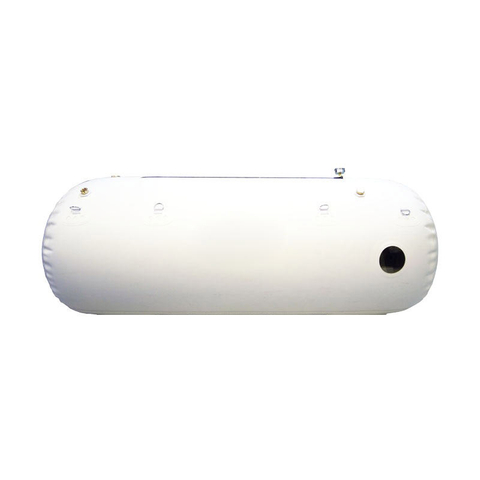
Hyperbaric Oxygen Therapy (HBOT) offers benefits beyond traditional medical uses, extending into the fields of anti-aging and regenerative medicine. As the body ages, the skin loses elasticity, and tissue repair slows down. HBOT is increasingly being utilized in skin rejuvenation treatments due to its ability to boost oxygen levels in the skin, promoting cell regeneration and collagen production.
HBOT for Skin Rejuvenation: By improving blood circulation and oxygen delivery to the skin, HBOT helps reduce wrinkles and fine lines. Increased oxygen levels accelerate the skin's natural healing processes, supporting tissue repair and restoring youthful vitality. Many patients turn to HBOT for a non-invasive approach to improve skin texture, tone, and overall appearance.
Increased Stem Cell Production: One of the remarkable effects of HBOT is its ability to stimulate the production of stem cells, which are essential for tissue regeneration. Increased stem cell activity accelerates the repair of damaged tissues and supports the body's natural healing processes. This makes HBOT an essential tool not only for wound healing but also for regenerating and rejuvenating tissues at the cellular level.
Athletes often face the challenge of muscle fatigue, injuries, and the need for quick recovery between intense training sessions. HBOT has proven beneficial in helping athletes recover faster and perform at their peak. By providing a higher concentration of oxygen, HBOT accelerates the recovery of muscle tissues and reduces recovery time after intense physical exertion.
Faster Muscle Repair and Recovery: After strenuous workouts or injuries, muscle tissues can suffer from microtears, leading to inflammation and soreness. HBOT aids in repairing these muscles by enhancing oxygen delivery to the tissues, reducing swelling, and supporting the regeneration of muscle fibers.
Enhanced Endurance and Performance: Oxygen-rich environments provided by HBOT improve endurance by increasing the oxygen supply to muscles during exercise. With more oxygen available, muscles can perform better and recover faster. Many athletes use HBOT to improve performance, endurance, and overall training capacity, helping them maintain peak physical performance.
Tip:HBOT goes beyond traditional treatments by offering non-invasive options for skin rejuvenation, stem cell stimulation, and faster recovery for athletes. With its ability to enhance tissue repair and improve overall health, it’s becoming a popular choice for those seeking regenerative benefits.
Hyperbaric Oxygen Therapy (HBOT) is generally considered a safe and effective treatment, but, like any medical procedure, it comes with some risks and potential side effects. These side effects are typically mild and temporary, but it's important for patients to be aware of them before undergoing treatment.
Minimal Risks and Side Effects: The most common side effects of HBOT include ear pain and sinus pressure. This is due to the increased pressure inside the chamber, which can affect air-filled spaces in the body. The sensation is similar to what people experience during airplane takeoffs or landings. Some patients may also experience temporary changes in vision or fatigue following treatment. These side effects are usually short-lived and resolve once the therapy is complete.
Precautions and Suitability: While HBOT is safe for most people, it may not be suitable for everyone. Individuals with certain lung diseases, such as chronic obstructive pulmonary disease (COPD) or severe asthma, may experience difficulties with the pressure changes. Those who have had recent surgeries, especially eye surgeries, should consult with a healthcare provider before undergoing HBOT. Pregnant women and people with certain conditions like uncontrolled diabetes or a history of seizures should also avoid HBOT unless advised by a doctor.
To ensure patient safety, there are strict guidelines for the use of hyperbaric oxygen chambers. Healthcare professionals carefully monitor each session to minimize any potential risks.
Proper Monitoring: During HBOT, a trained medical professional is always present to supervise the session. The pressure inside the chamber is carefully controlled, and the patient’s condition is regularly checked. Oxygen levels are adjusted to provide the most effective treatment while ensuring the patient's comfort and safety.
Precautionary Measures: Before entering the chamber, patients are required to remove any items that could pose a risk, such as flammable materials or certain electronic devices. It is also important for patients to follow pre-treatment guidelines, such as fasting if necessary, to reduce the risk of complications.
Emergency Procedures: While the risk of complications is low, healthcare providers are trained to handle emergencies should they arise. In the unlikely event of an issue, emergency protocols are in place to address any concerns quickly.
Hyperbaric Oxygen Therapy (HBOT) is an effective treatment for various health conditions by increasing oxygen levels in the body. It helps heal chronic wounds, reduce inflammation, and enhance recovery from trauma or infections. HBOT is also used for conditions like sudden hearing loss, brain injuries, and stroke recovery.
For those interested in exploring HBOT, it's important to consult healthcare providers for personalized advice. Fugui offers advanced HBOT solutions, providing high-quality products that support faster recovery and better overall health.
A: Hyperbaric Oxygen Therapy (HBOT) involves breathing pure oxygen in pressurized oxygen chambers to increase oxygen levels in the body, promoting faster healing and recovery from various health conditions.
A: Oxygen chambers enhance blood flow and oxygen delivery to chronic wounds, promoting tissue repair and speeding up the healing process, especially for conditions like diabetic foot ulcers.
A: Yes, HBOT is used to improve oxygen supply to the brain, aiding in recovery from traumatic brain injuries (TBI) and supporting cognitive function restoration.
A: While oxygen chambers are generally safe, individuals with certain lung diseases or recent surgeries should consult a healthcare provider before using HBOT.
A: HBOT helps restore oxygen to brain tissues damaged by stroke, promoting healing and potentially improving motor and cognitive functions.
A: The cost of HBOT varies depending on the clinic and location. Prices typically range from $100 to $250 per session. It is best to check with providers for specific pricing.


