Fugui Oxygen Chamber Technology (Zhongshan) Co., LTD

- All
- Product Name
- Product Keyword
- Product Model
- Product Summary
- Product Description
- Multi Field Search
English
Views: 0 Author: Site Editor Publish Time: 2025-12-30 Origin: Site


Have you ever wondered how much hyperbaric oxygen therapy (HBOT) might cost? Whether you're seeking recovery from an injury or exploring wellness benefits, the price of HBOT can vary widely. In this post, we'll break down the factors that influence the cost of hyperbaric oxygen chambers, from the type of chamber to location and the condition being treated. By the end, you'll have a clear understanding of what to expect when pricing HBOT.
The type of chamber plays a significant role in determining the cost of hyperbaric oxygen therapy. There are two primary types of chambers: soft-shell and hard-shell.
● Soft-Shell Chambers are typically more affordable. They operate at lower pressures and use compressed air, which results in lower oxygen concentration compared to hard-shell chambers. These chambers are commonly used for general wellness, athletic recovery, or non-critical health conditions. Due to their simpler construction and lower pressure, the cost per session is usually lower.
● Hard-Shell Chambers are more advanced and can reach much higher pressures, typically between 2.0 and 3.0 ATA. They are capable of delivering 100% pure oxygen, which makes them more effective for treating severe conditions, such as chronic wounds, decompression sickness, or neurological disorders. The higher pressure and oxygen concentration contribute to their higher price, making them more expensive per session.
The location and the type of facility you choose also influence the overall cost of HBOT.
● Hospital-Based Providers often charge more for HBOT, especially when treating off-label conditions. Hospital-based programs generally have higher overhead costs and may have more extensive insurance coverage options. However, this can lead to higher co-pays or out-of-pocket expenses, even with insurance.
● Independent Providers are generally more affordable. They may treat a wider range of conditions, including those not approved by the FDA for insurance reimbursement. While independent providers may not accept insurance for certain conditions, they tend to offer lower rates and more flexible pricing options, which can help reduce the overall cost of therapy.
● Geographic Variation also affects pricing. In urban areas or regions with a higher demand for HBOT, prices are typically higher. Smaller towns or rural areas may offer more competitive pricing due to lower operating costs.
The condition for which you're seeking HBOT plays a crucial role in the cost.
● FDA-Approved Conditions are generally covered by insurance, which can significantly lower the out-of-pocket expense. These conditions include things like radiation injury, diabetic foot ulcers, and carbon monoxide poisoning. When treated for FDA-approved conditions, patients often pay less per session due to insurance coverage.
● Off-Label Conditions are those that are not yet FDA-approved for HBOT treatment. While these conditions may still benefit from HBOT, they are not covered by insurance. As a result, the cost per session is usually higher, and patients will be responsible for paying out-of-pocket.
The severity of the condition also impacts the cost. Chronic or severe conditions may require more sessions, increasing the total cost of treatment. For instance, a traumatic injury may require 20 or more sessions, while a milder condition might only require a few. Therefore, the more sessions needed, the higher the overall cost.
Factor | Impact on Cost |
Chamber Type | Hard-shell chambers cost more due to higher pressures, oxygen concentration, and advanced technology. Soft-shell chambers are more affordable. |
Location & Facility | Hospital-based providers are more expensive, while independent centers offer lower rates. Urban centers typically have higher costs than rural areas. |
Condition Treated | FDA-approved conditions are often covered by insurance, reducing costs, while off-label treatments are out-of-pocket and more expensive. |
Severity of Condition | More severe conditions require more sessions, leading to higher overall costs. |
The cost of a single hyperbaric oxygen therapy (HBOT) session varies significantly based on several factors. Typically, a session can range from $150 to $600 per treatment. The type of chamber used is a major factor; hard-shell chambers, which can provide higher pressure and pure oxygen, tend to be more expensive than soft-shell chambers, which are often used for general wellness or less severe conditions.
● Individual Session Costs: Soft-shell chambers typically cost less, with sessions ranging from $150 to $250, while hard-shell chambers can go from $300 to $600 per session due to their higher therapeutic capabilities.
● Package Discounts: Many facilities offer discounts for bulk purchases, such as packages for 10 or 20 sessions. This can lower the per-session price, making it more affordable for patients who require multiple sessions for treatment. For example, a package of 10 sessions might cost $1,200 ($120 per session), while purchasing 20 sessions could reduce the price further to around $2,400 ($120 per session).
The duration of each HBOT session typically lasts between 60 to 120 minutes. The length of the session depends on the condition being treated, with more severe conditions sometimes requiring longer sessions to achieve the desired therapeutic effects. For most patients, the total number of sessions required can significantly affect the overall cost.
● Duration of Each Session: Sessions usually last 60 to 90 minutes. However, depending on your health condition, you may need longer sessions of up to 120 minutes.
● Recommended Number of Sessions: A typical treatment plan for most conditions involves 20 to 40 sessions. Chronic conditions or severe injuries may require the higher end of this range, increasing the overall cost. For example, a treatment plan of 30 sessions at an average cost of $250 per session could total $7,500.
While the session costs make up the bulk of the expenses, other factors can add to the overall price of HBOT.
● Consultation Fees: Many facilities charge for an initial consultation, which can range from $50 to $200 depending on the provider. This fee is often separate from the cost of the actual therapy but is essential for assessing your suitability for treatment and creating a personalized plan.
● Post-Treatment Care: After completing a series of HBOT sessions, some patients may require follow-up treatments or additional therapies to support their recovery. These costs, such as for ongoing monitoring or supplementary therapies, can vary but should be considered when budgeting for HBOT.
Factor | Cost Range |
Individual Session Cost | $150 – $600 (depending on chamber type) |
Package Discounts | $120 – $250 per session for bulk packages |
Session Duration | 60 – 120 minutes per session |
Number of Sessions | 20 – 40 sessions for most conditions |
Consultation Fees | $50 – $200 (initial consultation) |
Post-Treatment Care | Varies based on follow-up therapies |
These breakdowns highlight the factors that contribute to the total cost of HBOT, providing a clearer picture of what patients can expect when undergoing this therapy.
When it comes to hyperbaric oxygen therapy (HBOT), insurance coverage depends largely on whether the condition being treated is FDA-approved, often referred to as an “on-label” condition. Certain conditions, like diabetic foot ulcers, radiation tissue damage, and carbon monoxide poisoning, are recognized by the FDA as treatable with HBOT. These conditions are more likely to be covered by insurance providers.
● FDA-Approved Treatments: For conditions like radiation injuries, chronic diabetic wounds, and gas gangrene, insurance coverage is usually available. These treatments have established evidence that HBOT can improve recovery, making them eligible for reimbursement.
● Pre-Authorization Process: Before beginning treatment, it’s often necessary to get pre-authorization from the insurance provider. This involves the healthcare provider submitting medical documentation, demonstrating the need for HBOT for a specific FDA-approved condition. Without this authorization, insurance might not cover the cost of treatment.
On the other hand, off-label treatments refer to conditions for which HBOT has shown promise but is not FDA-approved. For example, long Covid symptoms or traumatic brain injury (TBI) might benefit from HBOT, but they are typically not covered by insurance.
● Conditions Not Covered by Insurance: When patients seek HBOT for off-label conditions, insurance often will not cover the cost. This means treatments for conditions like stroke recovery or athletic recovery generally require patients to pay out-of-pocket. These conditions may still be treated effectively with HBOT, but insurance coverage won’t apply.
● Financing and Payment Plans: For those needing HBOT but lacking insurance coverage, there are financing options available. Programs like CareCredit or facility-specific payment plans can make treatment more affordable by allowing patients to pay for therapy in installments. Many centers offer payment plans that cater to different budgets, helping patients manage the cost of ongoing treatments.
Factor | Coverage Details |
On-Label Conditions | Typically covered by insurance, including diabetic wounds, radiation damage, and carbon monoxide poisoning. |
Off-Label Treatments | Not usually covered by insurance for conditions like long Covid or TBI. Requires out-of-pocket payment. |
Pre-Authorization | Needed for insurance coverage of FDA-approved treatments. |
Financing Options | Programs like CareCredit and other payment plans help manage out-of-pocket expenses. |
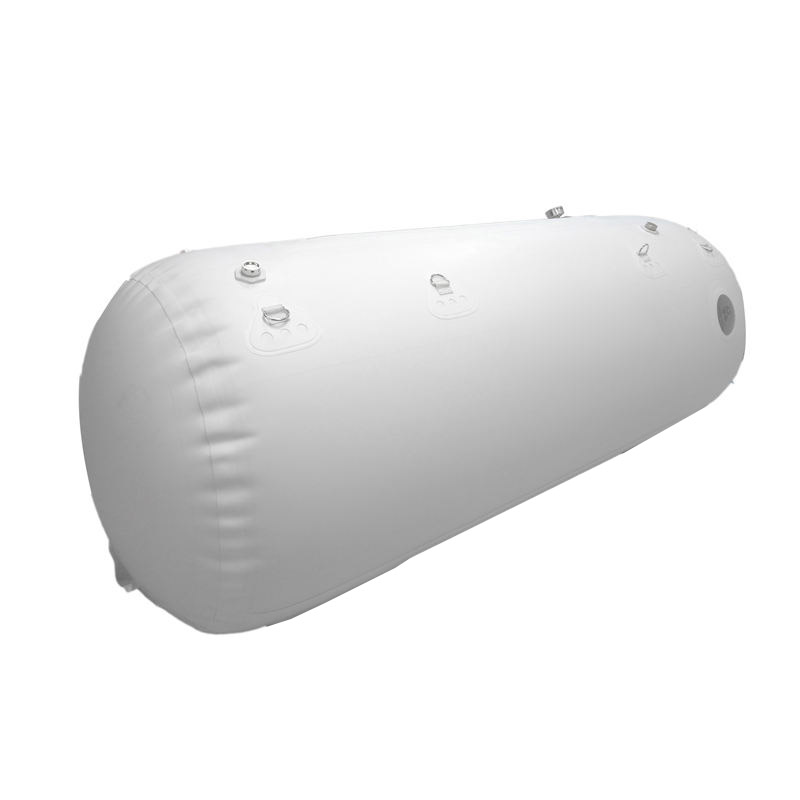
Hard-shell chambers are typically the preferred choice for patients seeking more intensive treatment. These chambers can reach much higher pressure levels, generally between 2.0 and 3.0 ATA, compared to soft-shell chambers, which allows for more oxygen to be absorbed into the body. This higher pressure and ability to deliver 100% pure oxygen make hard-shell chambers ideal for treating severe conditions like chronic wounds, decompression sickness, and certain neurological disorders.
● Pressure and Oxygen Concentration: The higher pressure in hard-shell chambers results in deeper oxygen penetration, which accelerates healing and supports the body’s recovery processes more effectively. By using 100% oxygen, these chambers offer superior treatment outcomes for critical conditions.
● Price Range: Due to the advanced technology and greater therapeutic benefits, hard-shell chambers tend to be more expensive. A typical session in these chambers can cost between $300 and $600. This higher price is reflective of the increased effectiveness and the comfort provided during treatment, as patients can often lie down during sessions.
Soft-shell chambers, while offering lower pressure levels, are generally more affordable and still provide numerous health benefits. These chambers use compressed air, with oxygen concentrations similar to those found at sea level, usually around 21% oxygen. Although less intense than hard-shell chambers, soft-shell units are perfect for general wellness, pain management, and recovery from less severe injuries.
● Lower Pressure and Oxygen Delivery: Soft-shell chambers operate at pressures of about 1.3 ATA in the U.S. While they can't provide the same level of oxygen saturation as hard-shell chambers, they are still effective for promoting recovery and improving overall well-being, particularly for less severe conditions like mild fatigue or muscle soreness.
● Cost Range: One of the primary benefits of soft-shell chambers is their affordability. Sessions in these chambers typically cost between $150 and $250 per treatment. This price range makes them an accessible option for people seeking routine wellness sessions or mild recovery therapies.
Chamber Type | Pressure Level | Oxygen Concentration | Cost per Session |
Hard-Shell | 2.0 - 3.0 ATA | 100% pure oxygen | $300 – $600 |
Soft-Shell | 1.3 ATA | 21% oxygen (compressed air) | $150 – $250 |
While hard-shell chambers are best suited for more severe medical conditions, soft-shell chambers provide an affordable, effective option for general wellness and mild recovery needs. The choice between the two will ultimately depend on the specific health needs and budget.
When considering hyperbaric oxygen therapy (HBOT), choosing the right provider is key to both treatment effectiveness and cost savings. Providers typically fall into two categories: hospital-based centers and independent clinics.
● Hospital vs. Independent Centers: Hospital-based centers tend to be more expensive due to higher overhead costs, and they are often limited to treating FDA-approved conditions. While they may offer insurance coverage for these treatments, out-of-pocket expenses can still be significant. On the other hand, independent clinics often provide more affordable treatment options, especially for off-label conditions, but they may not accept insurance. Researching both options and considering factors like treatment availability and insurance acceptance is essential.
● Importance of Research: Taking the time to research multiple providers can lead to better pricing and care. Look for clinics that specialize in your specific condition, compare treatment options, and check for patient reviews. By comparing costs and services, you’ll be better equipped to find high-quality care at a reasonable price.
Costs for HBOT can add up, especially if multiple sessions are required. However, there are ways to make treatment more affordable.
● Seeking Discounts: Many providers offer package discounts for bulk purchases of sessions. Some clinics may also offer membership plans that lower the per-session cost, especially for long-term patients. Always ask about any promotional rates or discounts available, as some centers run seasonal sales or offer special pricing for new patients.
● Financing Options: If you don’t have insurance coverage, financing programs like CareCredit or clinic-specific payment plans can help make HBOT more accessible. These programs often allow you to pay for treatment in manageable installments, easing the financial burden. Ask your provider about available financing options to see if this could help spread the cost over time.
Before starting HBOT, it’s important to schedule a consultation. Many clinics offer a free consultation to evaluate your health needs and provide a personalized treatment plan.
● Consultation Costs: While some consultations are free, others may charge a fee, typically between $50 and $200. This fee is usually applied toward the cost of treatment if you decide to proceed. An initial consultation is crucial as it provides the opportunity to discuss your specific condition and receive an accurate cost estimate.
● Insurance Verification: During the consultation, it’s important to discuss your insurance coverage. Verify whether your insurance provider will cover any of the costs, particularly if you are seeking treatment for an FDA-approved condition. Many providers will assist in verifying insurance coverage to help minimize out-of-pocket expenses.
The cost of hyperbaric oxygen therapy (HBOT) is influenced by factors such as chamber type, treatment duration, location, and insurance coverage. It’s essential to consult with a healthcare provider to determine the best treatment plan for your needs. Investing in HBOT can provide long-term health benefits, especially for chronic conditions. Products like those offered by Fugui bring value with effective, high-quality HBOT solutions that support wellness and recovery.
A: The cost of hyperbaric oxygen chambers typically ranges from $150 to $600 per session. Prices depend on factors like chamber type, treatment duration, and location.
A: The price of oxygen chambers varies based on chamber type (soft-shell or hard-shell), treatment duration, location, and insurance coverage.
A: Insurance coverage for oxygen chambers is usually available for FDA-approved conditions, but off-label treatments typically require out-of-pocket payment.
A: Hard-shell oxygen chambers are more expensive, usually costing $300–$600 per session, while soft-shell chambers range from $150 to $250 per session.
A: Investing in a hyperbaric oxygen chamber can provide long-term health benefits, such as improved healing for chronic conditions and faster recovery after injuries.


