Fugui Oxygen Chamber Technology (Zhongshan) Co., LTD

- All
- Product Name
- Product Keyword
- Product Model
- Product Summary
- Product Description
- Multi Field Search
English
Views: 0 Author: Site Editor Publish Time: 2025-12-31 Origin: Site


Have you ever wondered how hyperbaric oxygen chambers work? These innovative facilities play a crucial role in medical treatments and recovery. In this article, we’ll explore how to build an oxygen chamber effectively. You’ll learn about the essential steps, materials, and safety measures involved in the construction process.
A hyperbaric oxygen chamber is a specialized facility designed to deliver pure oxygen at pressures higher than normal atmospheric levels. This unique environment allows the body to absorb more oxygen, which can significantly enhance healing processes. Typically, these chambers come in two forms: monoplace chambers for individual use and multiplace chambers accommodating multiple patients simultaneously.
How It Works
Inside the chamber, oxygen is administered under increased pressure. This process helps oxygen dissolve into the bloodstream more effectively, promoting cellular repair and regeneration. The elevated pressure also aids in reducing inflammation and fighting infections, making it a valuable tool in various medical settings.
Common Uses and Applications
● Hyperbaric oxygen therapy (HBOT) is widely used for:Medical therapy: Treating conditions such as carbon monoxide poisoning, chronic wounds, and infections.
● Sports recovery: Athletes often utilize these chambers to speed up recovery times and enhance performance.
● Diving injuries: It’s a critical treatment for decompression sickness, commonly known as “the bends.”
Application | Description |
Medical Therapy | Treats serious infections and promotes healing. |
Sports Recovery | Reduces recovery time for athletes. |
Decompression Sickness | Essential for divers experiencing pressure-related injuries. |
Using an oxygen chamber offers numerous benefits, making it an appealing option for both medical professionals and patients.
Improved Wound Healing
One of the most significant advantages is the accelerated healing of wounds. Increased oxygen levels promote the formation of new blood vessels and tissue, which speeds up recovery for patients with chronic wounds or surgical sites.
Enhanced Recovery from Injuries
For athletes, oxygen chambers are a game-changer. They help reduce muscle soreness and fatigue, allowing athletes to return to their training regimens faster. The enhanced oxygen delivery aids in repairing damaged tissues, making recovery more efficient.Treatment for Decompression Sickness
Decompression sickness can occur when divers ascend too quickly. Hyperbaric oxygen therapy effectively treats this condition by reducing bubbles in the bloodstream and restoring normal pressure levels in the body.
Potential Anti-Aging Effects
Many users report improvements in skin health and overall wellness. The increased oxygen supply can lead to better skin elasticity and a reduction in fine lines, contributing to a more youthful appearance.Overall Wellness Benefits
Beyond specific medical applications, regular use of an oxygen chamber can enhance overall wellness. Users often experience increased energy levels, improved sleep quality, and a general sense of well-being.
Benefit | Impact |
Wound Healing | Accelerates tissue repair and regeneration. |
Injury Recovery | Reduces soreness and speeds up recovery time. |
Decompression Treatment | Restores normal pressure and reduces symptoms. |
Anti-Aging Effects | Improves skin health and reduces fine lines. |
Overall Wellness | Increases energy and enhances quality of life. |
Before diving into the construction of an oxygen chamber, it's crucial to assess your specific needs. Start by identifying the primary purpose of the chamber. Will it be used for medical treatments, sports recovery, or perhaps training? Each application requires different design considerations and operational features.
Determining Capacity
● Next, you need to decide on the required capacity. There are two main types of hyperbaric chambers:Monoplace Chambers: Designed for single users, these are ideal for personal use or small clinics. They offer a more intimate environment and are generally easier to manage.
● Multiplace Chambers: These larger chambers can accommodate multiple patients simultaneously, making them suitable for hospitals or research facilities. They allow for simultaneous treatments, which can be beneficial for efficiency.
Chamber Type | Capacity | Best For |
Monoplace | 1 user | Individual therapy sessions |
Multiplace | 2-12 users | Group treatments in hospitals |
Comfort and Accessibility
When planning, consider patient comfort and accessibility. Ensure the design allows for easy entry and exit, especially for patients with mobility issues. Elements like adjustable seating, adequate lighting, and ventilation systems contribute significantly to user experience.
Building a hyperbaric oxygen chamber involves navigating a complex landscape of regulations. It’s essential to understand local and international standards that govern the construction and operation of these facilities.
Overview of Regulations
Familiarize yourself with regulations from organizations like the American Society of Mechanical Engineers (ASME) and the National Fire Protection Association (NFPA). These bodies provide guidelines on materials, construction methods, and safety protocols to ensure the chamber meets industry standards.
Safety Standards
Adhering to safety standards is not just a legal requirement; it’s vital for patient safety. These standards cover everything from the materials used in construction to the operational procedures for using the chamber. Regular inspections and certifications may also be necessary to maintain compliance.
Classification as Medical Devices
It’s important to recognize that hyperbaric chambers are classified as medical devices. This classification means they must meet stringent safety and efficacy standards. Understanding this classification will guide you in complying with regulatory requirements and ensuring the chamber operates safely.
Designing an oxygen chamber requires careful thought and planning. First, consider the space and location requirements. The chamber needs to be installed in an area that allows for easy access while providing enough room for operation and maintenance. Ideally, the location should be close to medical facilities or sports centers if it's intended for therapeutic use.
Materials Selection
● Choosing the right materials is crucial for both safety and durability. Common materials include:Stainless Steel: Highly resistant to corrosion and damage, making it ideal for the chamber's structure.
● Aluminum: Lightweight and strong, aluminum is often used for portable chambers.
● Acrylic: This transparent material allows for visibility and is used in smaller chambers, providing a clear view for operators.
Material | Advantages | Disadvantages |
Stainless Steel | Durable, corrosion-resistant | Heavier and more expensive |
Aluminum | Lightweight, cost-effective | Less durable than stainless steel |
Acrylic | Transparent, good for visibility | Prone to scratches and less heat resistant |
Safety and Comfort Features
Incorporating safety features is non-negotiable. Install pressure gauges, emergency release systems, and adequate ventilation to ensure user safety. Comfort is equally important; consider adding adjustable seating, climate control, and soft lighting to enhance the user experience.Ventilation, Noise Control, and Lighting Design
Proper ventilation is essential for maintaining air quality inside the chamber. It helps regulate temperature and prevents the buildup of carbon dioxide. Noise control measures, such as soundproofing materials, can create a more relaxing environment for users. Lighting should be bright enough for visibility but soft enough to promote relaxation.
Once you have a clear design concept, it's time to create a blueprint. Detailed design sketches are vital for visualizing the chamber's structure and layout. These sketches should include dimensions, material specifications, and safety features.
Using design software like AutoCAD can streamline the process. This technology allows you to create precise designs and make adjustments easily. It also helps in visualizing the space in 3D, which can be beneficial for identifying potential issues before construction begins.
Collaborating with architects and engineers who have experience in hyperbaric design is invaluable. Their expertise can guide you through the complexities of building codes and safety regulations. They can help ensure your design meets all necessary standards while maximizing functionality and safety.
Design Step | Description |
Create Detailed Sketches | Visualize dimensions and layout |
Use Design Software | Utilize tools like AutoCAD for precision |
Consult Experts | Involve experienced architects and engineers |
When building an oxygen chamber, selecting the right materials is crucial for safety and functionality. Here’s a list of essential materials needed for construction:
● Pressure Vessel: This is the core structure of the chamber, designed to withstand high pressure. It should be made from durable materials like stainless steel or aluminum.
● Seals and Gaskets: High-quality seals are necessary to ensure the chamber is airtight. Look for materials that can withstand high pressure and exposure to oxygen.
● Windows: If using a multiplace chamber, consider acrylic or tempered glass for visibility. These materials should be thick enough to handle pressure without compromising safety.
● Ventilation Systems: Proper ventilation equipment is essential for maintaining air quality and comfort inside the chamber.
Material | Purpose | Quality Considerations |
Pressure Vessel | Main structure for pressure | Must meet ASME standards |
Seals and Gaskets | Ensure airtightness | Should be resistant to oxygen |
Windows | Provide visibility | Must be thick and pressure-rated |
Ventilation Equipment | Maintain air quality | Should be reliable and efficient |
When selecting materials, always prioritize quality. Poor-quality materials can lead to safety hazards and operational issues. Look for suppliers who specialize in medical-grade materials to ensure compliance with safety standards. Some recommended suppliers include OxygenArk and Hyperbaric Technologies, known for their high-grade products.
Having the right tools is just as important as sourcing quality materials. Here’s a breakdown of the general and specialized tools needed for constructing an oxygen chamber:
● General Tools: Basic construction tools like drills, wrenches, and saws are essential for assembly. These tools will help in cutting and shaping materials to fit your design.
● Specialized Tools: Depending on your design, you may need tools like pressure testing equipment, welding machines, or specialized cutting tools for metals and acrylics.
● Safety Equipment: Worker safety should always be a top priority. Ensure that all construction workers have access to personal protective equipment (PPE), including helmets, gloves, goggles, and hearing protection.
Tool Type | Examples | Purpose |
General Tools | Drills, wrenches, saws | Basic assembly and construction |
Specialized Tools | Welding machines, pressure testers | Specific tasks like welding joints |
Safety Equipment | Helmets, gloves, goggles | Protect workers during construction |
Equipping your team with the right tools not only enhances efficiency but also ensures safety throughout the construction process. Investing in high-quality tools can save time and reduce the risk of accidents, leading to a smoother project overall.
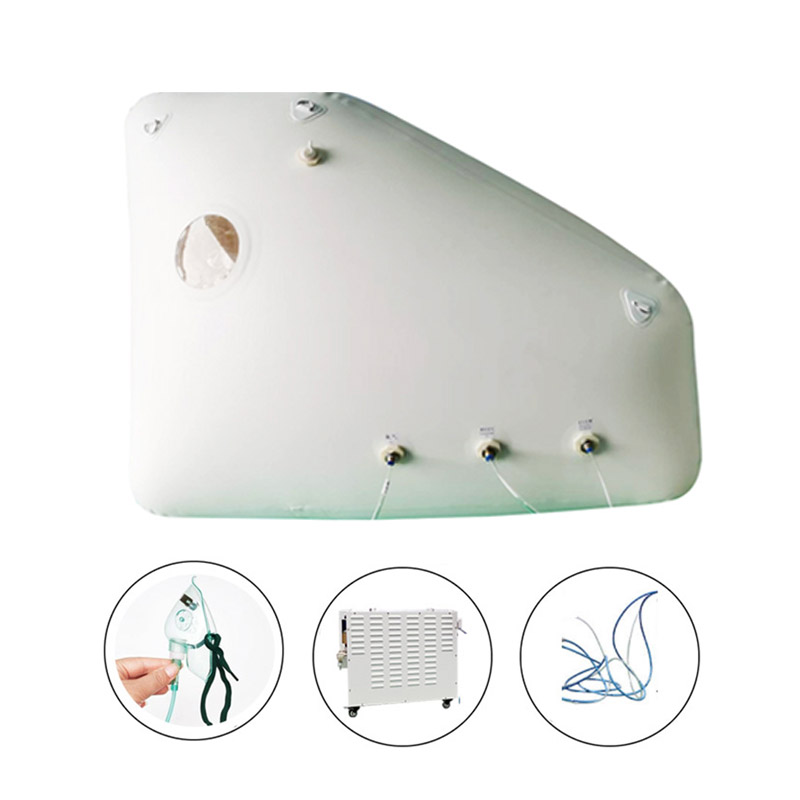
Constructing the shell of the oxygen chamber is a critical step that requires precision and attention to detail. Start by laying out the foundation according to your design specifications. Ensure the area is level and sturdy enough to support the weight of the chamber.
1. Cutting the Materials: Use specialized cutting tools to shape the stainless steel or aluminum sheets. Accuracy is key, as any miscalculation can lead to issues down the line.
2. Assembling the Frame: Once the materials are cut, begin assembling the frame. This involves joining the pieces together securely, ensuring they can withstand the internal pressure during operation.
3. Welding and Joining: For the joints, use high-quality welding techniques. It's essential to create strong, airtight seams. Techniques such as TIG (Tungsten Inert Gas) welding are often recommended for their precision and strength.
Construction Step | Description |
Cut Materials | Shape sheets accurately for assembly |
Assemble Frame | Securely join pieces to form the chamber shell |
Weld Joints | Use TIG welding for strong, airtight connections |
Next, focus on the door installation. The door must fit perfectly to ensure an airtight seal. Use high-quality seals and gaskets to prevent any leaks. It’s also a good idea to install a locking mechanism to enhance safety and prevent accidental openings during pressurization.
A reliable pressurization system is vital for the chamber's functionality. You’ll need to choose a suitable medical-grade air compressor that can maintain the necessary pressure levels.
● Medical-Grade Air Compressors: These are designed specifically for hyperbaric applications, ensuring clean and safe oxygen delivery.
● Backup Systems: Consider installing a backup compressor to maintain pressure in case of primary system failure.
1. Connect the Compressor: Ensure all connections are secure and leak-free. Use high-quality hoses and fittings to prevent any pressure loss.
2. Calibration of the Pressure System: After installation, calibrate the pressure system. This involves checking the pressure gauges and adjusting the compressor settings to ensure accurate operation.
System Component | Function |
Medical-Grade Compressor | Maintains required pressure levels |
Pressure Gauges | Monitor and display chamber pressure |
Backup Systems | Provide redundancy for reliability |
Safety is paramount in the construction and operation of a hyperbaric oxygen chamber. Implementing robust safety measures will protect both users and operators.
Install emergency release valves that allow for rapid depressurization in case of an emergency. This feature is critical for ensuring user safety and preventing accidents.
Proper ventilation systems are essential for maintaining air quality and comfort inside the chamber. Additionally, temperature control systems help regulate the environment, preventing overheating.
Safety Feature | Importance |
Emergency Release | Ensures quick depressurization when needed |
Ventilation Systems | Maintains air quality and comfort |
Temperature Control | Prevents overheating and enhances safety |
In high-oxygen environments, fire safety protocols are crucial. Ensure that all materials used are fire-resistant and that fire extinguishers are readily available. Regular safety drills and training for staff can further enhance safety measures.
Creating a comfortable environment inside the oxygen chamber is essential for user satisfaction, especially during extended sessions. Start by installing appropriate seating or bedding. Ergonomic chairs or padded benches can provide the necessary support for users, making their experience more pleasant. Consider using materials that are easy to clean and resistant to wear and tear.
Lighting and Noise Control
Next, focus on lighting and noise control. Soft, adjustable LED lighting can create a calming atmosphere, helping users relax. Additionally, soundproofing the chamber will minimize noise from external sources, making the experience more enjoyable. Using acoustic panels or insulation materials can significantly reduce sound transmission.
Comfort Feature | Description |
Seating/Bedding | Ergonomic options for extended use |
Adjustable Lighting | Soft, calming lights to enhance relaxation |
Noise Control | Soundproofing to reduce external disturbances |
Accessibility is another critical aspect of comfort. Ensure the chamber design accommodates users with mobility challenges. Features like wide doorways, grab bars, and non-slip flooring can make a significant difference. Consider the layout to allow easy movement within the chamber, ensuring everyone can enter and exit safely.
Once the interior fittings are complete, it’s time for initial testing of structural integrity and systems. This step is crucial to ensure everything functions as intended before actual use. Conduct thorough inspections of all components, including the seating, lighting, and ventilation systems.
After confirming the structure's integrity, focus on fine-tuning the pressure systems. This involves calibrating the pressure gauges and ensuring the compressor operates within safe limits. Regular checks will help maintain accuracy, which is vital for user safety during therapy sessions.
Long-term maintenance is essential for the chamber's safety and effectiveness. Schedule regular safety checks to inspect all systems, including emergency release valves and ventilation. Create a maintenance log to track inspections and repairs, ensuring compliance with safety regulations. This proactive approach helps prevent issues and guarantees a safe environment for all users.
As you approach the final stages of constructing the oxygen chamber, it's time to focus on finalizing any remaining parts and systems. This includes installing any last components, such as additional safety features, control panels, and monitoring systems. Ensuring that every element is securely fitted is crucial for the chamber's overall integrity.
Before the chamber can be deemed operational, conduct a thorough safety check. This involves inspecting all systems, including the pressurization system, emergency release valves, and ventilation. Use a checklist to ensure no detail is overlooked. Here’s a brief overview of the safety check process:
Proper documentation is key for compliance and operational guidelines. Prepare detailed records of all safety checks, materials used, and assembly processes. This documentation will not only help in regulatory compliance but also serve as a reference for future maintenance and inspections.
While DIY projects can be rewarding, there are critical moments when consulting professionals during the build is essential. Engaging experts can help navigate complex regulatory requirements and ensure that your chamber meets all safety standards.
Collaborating with experienced manufacturers brings numerous advantages. They can provide insights into best practices, suggest high-quality materials, and assist with the design to enhance functionality and safety. Their expertise can also help streamline the assembly process, reducing the risk of errors.
Once the chamber is operational, ongoing training for operators and staff is crucial. Regular training sessions ensure everyone understands safety protocols, emergency procedures, and operational guidelines. This preparation not only enhances safety but also boosts confidence among staff, ensuring they are ready to handle any situation that may arise during operations.
Building a hyperbaric oxygen chamber involves several key steps, from planning and selecting materials to assembling and testing the structure. It's important to ensure user comfort and implement safety measures throughout the process. Consider seeking professional assistance to navigate complex regulations and enhance safety. As hyperbaric oxygen therapy continues to grow, companies like Fugui offer innovative solutions that provide exceptional value, ensuring safe and effective therapy for users. Their commitment to quality and service makes them a trusted partner in this field.
A: An oxygen chamber is a sealed environment where individuals breathe pure oxygen at higher than normal atmospheric pressure, promoting healing and recovery.
A: Building an oxygen chamber involves constructing a pressure vessel, installing safety systems, and ensuring user comfort through proper fittings.
A: Safety measures prevent accidents and ensure the chamber operates effectively, protecting users during therapy sessions.
A: Benefits include enhanced healing, improved oxygen delivery to tissues, and potential treatment for various medical conditions.
A: The cost of building an oxygen chamber can vary widely based on materials, size, and features, typically ranging from tens of thousands to over a hundred thousand dollars.
A: Consider factors like user comfort, safety features, and compliance with medical standards to ensure effective and safe operation.


