Fugui Oxygen Chamber Technology (Zhongshan) Co., LTD

- All
- Product Name
- Product Keyword
- Product Model
- Product Summary
- Product Description
- Multi Field Search
English
Views: 0 Author: Site Editor Publish Time: 2026-01-19 Origin: Site


Have you ever wondered how a simple change in pressure can accelerate healing and improve overall health? Hyperbaric Oxygen Chamber (HBOT) does just that, by delivering pure oxygen to the body in a pressurized chamber. In this article, we'll explore the clinical logic behind HBOT and how it enhances healing, fights infections, and supports recovery from various medical conditions. You’ll discover how this therapy works, its benefits, and how it’s used in treating chronic wounds, radiation injuries, and even neurological disorders.
HBOT's core benefit lies in its ability to deliver oxygen directly to tissues that are starved for oxygen, typically due to poor blood circulation. The principle of Henry’s Law dictates that increasing pressure allows more oxygen to dissolve into the blood plasma, reaching areas that red blood cells cannot. This enhanced oxygen delivery helps heal chronic wounds, such as diabetic ulcers, and improves recovery from surgery. By reversing hypoxia in damaged tissues, HBOT accelerates the healing process and prevents further damage due to lack of oxygen.
HBOT also helps reduce swelling by narrowing blood vessels, a process known as hyperoxia-induced vasoconstriction. As the blood vessels constrict, it reduces the leakage of fluids into tissues, which directly lowers inflammation and edema. This mechanism is especially beneficial for patients suffering from traumatic injuries, where excessive swelling can obstruct healing. Additionally, vasoconstriction improves microcirculation, ensuring better nutrient and oxygen delivery to damaged tissues, which accelerates recovery and prevents complications from prolonged swelling.
Another significant benefit of HBOT is its ability to stimulate angiogenesis, or the formation of new blood vessels. By boosting oxygen levels, HBOT encourages the growth of capillaries and improves blood flow to ischemic (oxygen-deprived) tissues. This mechanism is vital for healing radiation-induced tissue damage and chronic wounds, where poor blood circulation has impaired recovery. By stimulating growth factors such as VEGF (vascular endothelial growth factor), HBOT supports the regeneration of damaged tissues, ensuring that the body can recover more efficiently. The following table demonstrates HBOT’s clinical application in promoting angiogenesis and tissue repair, along with related technical specifications and outcomes.
| Clinical Application | Key Mechanism | Technical Specifications | Clinical Effect | Notes |
|---|---|---|---|---|
| Diabetic Foot Ulcers | Stimulates VEGF, promotes new blood vessel growth | Pressure: 2.5 ATA; Session duration: 60 minutes | Promotes wound healing, reduces infection risk | Regularly assess wound healing progress |
| Radiation-Induced Skin Damage | Stimulates local angiogenesis, restores oxygen supply | Pressure: 2.0 ATA; Weekly treatment: 5 sessions | Repairs radiation damage, alleviates necrosis | Suitable for early or mid-stage radiation damage patients |
| Chronic Injury Repair | Enhances blood supply, improves oxygen transport | Frequency: 1 session daily; Pressure: 2.5 ATA | Promotes tissue regeneration, reduces tissue necrosis | Should be combined with surgery or other treatments |
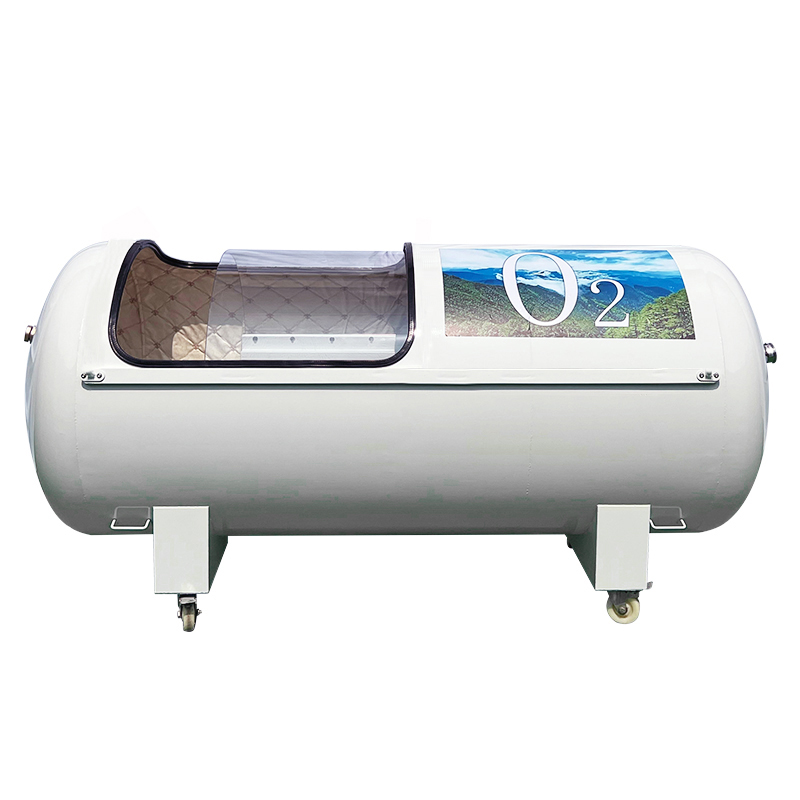
One of the critical roles of oxygen in the body is to support the immune system. White blood cells, especially neutrophils, require oxygen to fight infections effectively. HBOT enhances the ability of these cells to kill bacteria by delivering higher concentrations of oxygen, which boosts their antimicrobial functions. This is particularly helpful for patients with compromised immune systems, where the body struggles to fight off infections. By improving the efficiency of white blood cells, HBOT helps prevent infections from taking root in injured or compromised tissues.Below is a table showing how HBOT boosts immune function and infection control in different clinical scenarios.
| Clinical Application | Key Mechanism | Technical Specifications | Clinical Effect | Notes |
|---|---|---|---|---|
| Bacterial Infections (e.g., Necrotizing Fasciitis) | Enhances white blood cell function, increases oxygen supply | Pressure: 2.5 ATA; Session duration: 60-90 minutes | Enhances immune response, reduces infection spread | Must combine with antibiotic therapy |
| Traumatic Bacterial Infections (e.g., Osteomyelitis) | Strengthens antibacterial action, increases oxygen concentration | Frequency: 1 session daily; Pressure: 2.0 ATA | Reduces bacterial load, improves wound healing | High-risk patients require close monitoring |
| Post-Crush Injury Bacterial Infection | Inhibits anaerobic bacteria growth in a high oxygen environment | Treatment frequency: 5 sessions per week; Pressure: 2.5 ATA | Fights anaerobic bacteria, promotes wound repair | Maintain oxygen concentration and session duration |
Tip:Combining antibiotics with HBOT significantly enhances antimicrobial effects, especially for hard-to-treat infections like necrotizing fasciitis.
HBOT also has direct antibacterial effects, particularly against anaerobic bacteria, which thrive in low-oxygen environments. By increasing oxygen levels, HBOT creates an inhospitable environment for these bacteria, inhibiting their growth. This property makes HBOT an effective treatment for severe infections such as gas gangrene and necrotizing fasciitis, where anaerobic bacteria cause extensive tissue damage. The enhanced oxygen levels also boost the effectiveness of antibiotics, allowing for better penetration of bacterial biofilms and improving the overall success rate of antibiotic treatments.
When blood flow is restored to previously ischemic tissues, reperfusion injury can occur, leading to the release of harmful oxygen radicals that further damage the tissue. HBOT helps prevent this damage by increasing the body’s natural antioxidant defenses. The increased oxygen levels trigger the production of antioxidant enzymes like superoxide dismutase, which neutralize the harmful radicals. This protective effect is crucial in traumatic injuries, such as crush injuries, where reperfusion can lead to significant secondary damage.
HBOT is particularly beneficial in treating chronic non-healing wounds, such as diabetic foot ulcers. By enhancing oxygen delivery to the wound site, HBOT accelerates the healing process, stimulates angiogenesis, and reduces the risk of infection. Studies have shown that HBOT reduces the need for amputations in diabetic patients by improving wound healing. This makes it an essential adjunctive therapy in managing chronic wounds that do not respond to conventional treatments.
Patients who undergo radiation therapy for cancer often experience radiation-induced tissue damage, leading to conditions like osteoradionecrosis. HBOT helps treat these conditions by stimulating the growth of new blood vessels and improving tissue oxygenation, thus promoting the regeneration of damaged tissues. The FDA has approved HBOT for use in managing these complications, demonstrating its effectiveness in supporting recovery from radiation therapy.
HBOT is a life-saving treatment for carbon monoxide and cyanide poisoning. When a person is exposed to carbon monoxide, it binds with hemoglobin in the blood, preventing oxygen transport to tissues. HBOT quickly dissociates carbon monoxide from hemoglobin, restoring normal oxygen levels in the blood. This rapid treatment reduces the risk of long-term neurological damage and improves survival rates in poisoning cases.
Research into the use of HBOT for traumatic brain injury (TBI) is ongoing, with promising results in improving cognitive function and promoting brain tissue repair. Increased oxygen levels stimulate neuroplasticity, the brain's ability to rewire and repair itself. Preliminary studies suggest that HBOT may aid in stroke recovery and enhance neurocognitive function in patients with brain injuries, making it a potential therapeutic option for neurological rehabilitation.
Fibromyalgia and other chronic pain syndromes are characterized by persistent pain, inflammation, and fatigue. HBOT has shown promise in reducing inflammation and improving energy levels by enhancing oxygen delivery to tissues. Studies are ongoing to determine its effectiveness in treating these conditions, but early findings suggest that HBOT can offer significant relief for patients suffering from chronic pain and inflammation.
HBOT is also being explored as a treatment for neurodegenerative diseases like Alzheimer's and Parkinson's. The therapy’s ability to enhance oxygenation in the brain may reduce neuroinflammation and promote the repair of brain cells. Clinical trials are currently investigating the role of HBOT in slowing the progression of these diseases and improving cognitive function in aging populations.
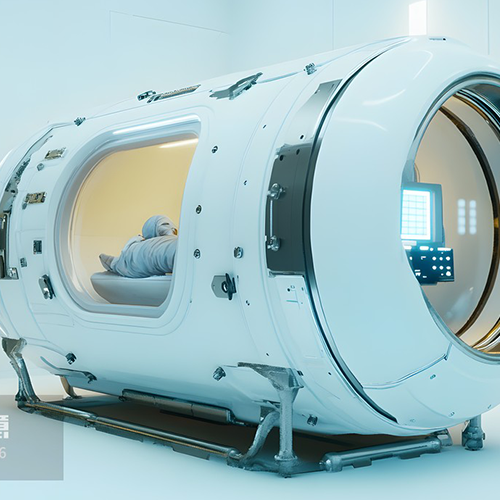
HBOT increases oxygen levels in the blood, improving oxygen delivery to oxygen-starved tissues. The pressure in the chamber causes oxygen to dissolve into the plasma, as per Henry's Law, allowing oxygen to reach areas not accessible by red blood cells. This process is further explained by Boyle’s Law, where increased pressure decreases the volume of gases, facilitating oxygen absorption. By enhancing oxygen supply, HBOT supports cellular processes like wound healing, collagen synthesis, and tissue regeneration, making it an effective therapy for various medical conditions.
HBOT has significant neuroprotective effects, particularly for patients with stroke or traumatic brain injury (TBI). The increased oxygen levels enhance cerebral blood flow, delivering more oxygen to damaged areas of the brain. This stimulation of growth factors, including BDNF (Brain-Derived Neurotrophic Factor), helps promote neurogenesis and repair damaged neurons. Studies suggest that HBOT can reduce the inflammatory response in the brain and improve cognitive functions, such as memory, attention, and motor skills, by supporting neuroplasticity and brain cell regeneration.
At the cellular level, HBOT accelerates the repair process by stimulating fibroblasts, the cells responsible for collagen production. The increased oxygen supply enhances the extracellular matrix (ECM) components, essential for tissue regeneration. Furthermore, HBOT mobilizes mesenchymal stem cells, which play a critical role in tissue repair and regeneration. The elevated oxygen levels also support DNA synthesis, enabling faster cell replication and tissue healing. This cellular rejuvenation makes HBOT effective in healing chronic wounds, burns, and post-surgical recovery.
While HBOT is generally safe, there are some common risks, such as barotrauma, sinus pressure, and temporary vision changes. These side effects can be minimized by following safety protocols and performing pre-treatment assessments. If necessary, patients can be given medications to alleviate discomfort.
| Risk | Description | Potential Effects | Mitigation Strategies |
|---|---|---|---|
| Barotrauma | Injury caused by pressure changes inside the chamber | Ear pain, eardrum rupture, sinus discomfort | Equalize pressure by yawning or swallowing; use of pressure-regulating devices |
| Sinus Pressure | Pressure buildup in sinus cavities due to changes in external pressure | Headache, sinus pain, facial discomfort | Use nasal decongestants or avoid treatment if experiencing sinus issues |
| Temporary Vision Changes | Blurred vision due to oxygen-related changes in the eye lens | Short-term blurry vision or nearsightedness | Regular monitoring during treatment; reduce treatment time if symptoms appear |
Although rare, oxygen toxicity can occur if the body is exposed to high levels of oxygen for prolonged periods. In such cases, seizures may occur, and the lungs may experience shortness of breath. These risks are mitigated by monitoring oxygen levels and ensuring controlled treatment durations.
Patients with chronic lung diseases, such as COPD or asthma, may experience complications with HBOT due to their compromised respiratory function. Elevated oxygen levels can potentially increase the risk of oxygen toxicity or exacerbate existing pulmonary conditions. Similarly, individuals with claustrophobia may find the enclosed chamber environment distressing. For these patients, pre-treatment screening is essential to assess their tolerance. Cognitive-behavioral therapy (CBT) or mild sedatives may help manage claustrophobia, while patients with respiratory conditions might require supplemental oxygen or lower treatment pressures to ensure safety.
Hyperbaric Oxygen Therapy (HBOT) offers significant benefits in treating various medical conditions, including chronic wounds, radiation injuries, and neurological disorders. By increasing oxygen delivery to tissues, HBOT accelerates healing, supports immune function, and promotes tissue regeneration. As ongoing research expands its applications, more patients are benefiting from its use. Fugui Oxygen Chamber Technology (Zhongshan) Co., LTD. offers advanced Hyperbaric Oxygen Chambers, designed to improve patient recovery by effectively delivering high concentrations of oxygen, enhancing therapeutic outcomes.
A: Hyperbaric Oxygen Chamber Benefits include enhanced healing, improved immune function, and faster recovery from injuries and infections by delivering high oxygen levels to tissues.
A: The Hyperbaric Oxygen Chamber uses pressurized oxygen to increase oxygen levels in the bloodstream, aiding in tissue repair, reducing inflammation, and promoting cell regeneration.
A: Hyperbaric Oxygen Therapy helps chronic wounds heal by providing oxygen directly to tissues, stimulating angiogenesis, and reducing infection risks.
A: Hyperbaric Oxygen Chamber therapy enhances brain oxygenation, supports neuroplasticity, and may improve cognitive recovery in patients with traumatic brain injury.
A: Risks include barotrauma, sinus pressure, and temporary vision changes. Following safety protocols can minimize these risks.
A: The cost of Hyperbaric Oxygen Therapy varies based on treatment frequency and location, generally ranging from $100 to $300 per session.


