Fugui Oxygen Chamber Technology (Zhongshan) Co., LTD

- All
- Product Name
- Product Keyword
- Product Model
- Product Summary
- Product Description
- Multi Field Search
English
Views: 0 Author: Site Editor Publish Time: 2026-06-12 Origin: Site


Are you aware how much a hyperbaric oxygen chamber cost? Clinics must understand these expenses to offer effective HBOT.
A hyperbaric oxygen chamber helps treat various medical conditions by increasing oxygen in the blood. Knowing the cost is vital for clinics planning to provide this therapy.
In this post, you’ll learn about session costs, treatment expenses, insurance coverage, and cost-saving strategies for clinics.

When clinics plan to offer hyperbaric oxygen therapy (HBOT), understanding the per session cost is crucial. These costs vary widely depending on several factors, including the type of clinic, location, and the chamber used.
In 2025 and 2026, the typical cost per HBOT session at independent clinics ranges from $150 to $400. Many clinics find a sweet spot around $250 to $300 per session, balancing affordability and quality care. Hospitals, however, charge more—outpatient sessions usually cost between $400 and $650, but bills can escalate up to $2,500 or more per session due to higher overhead.
These figures reflect the national average but vary based on geography. Urban centers like New York or San Francisco often see prices 20–50% higher than average, while rural areas may be 15–30% lower.
Independent clinics typically operate with lower overhead, fewer staff, and less complex infrastructure. They often specialize in HBOT, offering flexible scheduling and a more comfortable environment. This translates into lower session fees.
Hospitals, on the other hand, have substantial overhead costs—emergency teams, advanced medical equipment, and administrative expenses—which push prices higher. However, hospitals usually have better insurance navigation capabilities, which might reduce patient out-of-pocket costs for approved conditions.
Several key factors influence the cost per HBOT session:
Location: Urban clinics face higher rent, wages, and demand, increasing prices. Rural or less competitive markets often have lower fees.
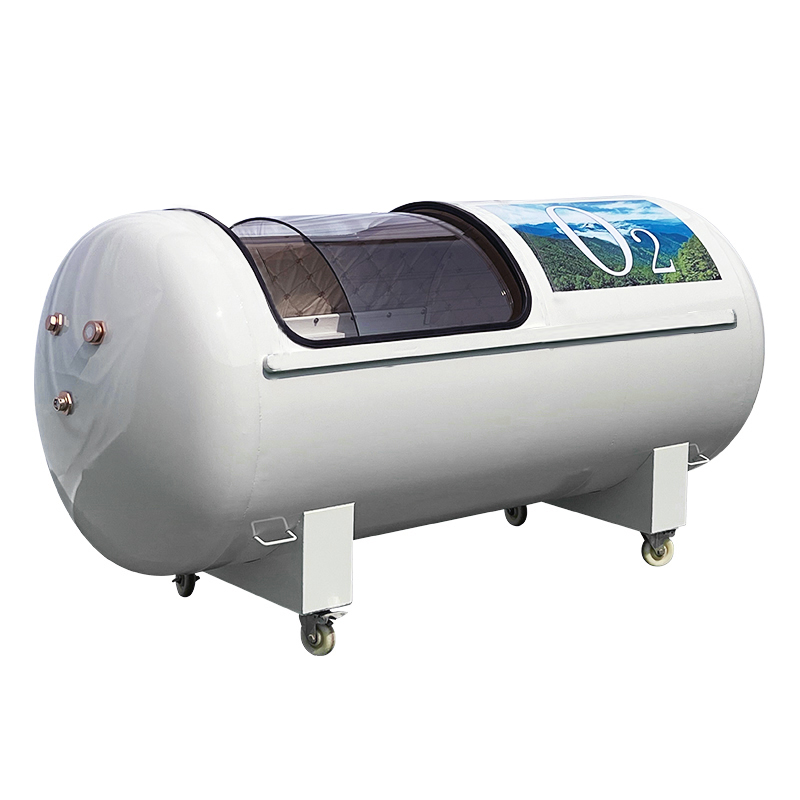
Chamber Type: Monoplace chambers (single-patient tubes) are common in clinics and cost less to operate. Multiplace chambers (treating multiple patients simultaneously) require more staff and maintenance, leading to higher costs.
Facility Overhead: Hospitals with extensive infrastructure charge more. Independent clinics with lean operations can offer lower prices.
Session Duration and Supervision: Longer sessions or those requiring licensed medical professionals add to costs.
Additional Fees: Some clinics charge consultation fees, equipment calibration, or cancellation fees, which can add 10–15% to the total.
Factor | Impact on Cost |
|---|---|
Urban Location | +20-50% per session |
Monoplace Chamber | Lower cost |
Multiplace Chamber | Higher cost |
Hospital Overhead | +$200 to $1,000+ per session |
Medical Supervision | +$100 to $200 per session |
Additional Fees | +10-15% of base session cost |
Independent clinic session: $250
Hospital outpatient session: $600
Urban hospital session: $750+
Clinics often offer package deals or memberships, reducing per-session costs by 5–30%. For example, a 20-session package might lower the cost from $300 to $250 per session.
Tip: When budgeting, clinics should evaluate chamber types and local market rates carefully and consider offering package deals to attract patients while optimizing revenue.
Understanding the total treatment cost for hyperbaric oxygen therapy (HBOT) helps clinics plan budgets and guide patients effectively. The overall expense depends on the number of sessions needed, treatment duration, setting, and insurance coverage.
Most medical conditions treated with HBOT require multiple sessions, often ranging from 20 to 40. Here are some examples:
Diabetic foot ulcers: Usually need 30 to 40 sessions over 6 to 8 weeks. These wounds heal slowly, so extended therapy is common.
Radiation tissue damage: Typically requires 20 to 30 sessions. This condition responds well to HBOT, but treatment length varies.
Carbon monoxide poisoning: Requires only 3 to 5 sessions over 1 to 2 days. This is an acute emergency treatment, so the course is short.
Chronic bone infections: Often need 30 to 40 sessions or more, depending on severity.
The exact number depends on patient response and physician recommendations.
The total cost multiplies the per session price by the number of sessions. Here are realistic examples:
Condition | Sessions | Cost per Session | Total Cost | Setting |
|---|---|---|---|---|
Carbon monoxide poisoning | 5 | $300 | $1,500 | Independent clinic |
Radiation tissue damage | 25 | $350 | $8,750 | Hospital outpatient |
Diabetic foot ulcers | 40 | $400 | $16,000 | Clinic or hospital |
Chronic bone infection | 30 | $600 | $18,000 | Hospital |
Clinics may offer package pricing, reducing per session fees by 5–20%. For example, a 40-session package might reduce a $400 session to $320, lowering total cost to $12,800.
Insurance coverage dramatically impacts patient costs. For FDA-approved conditions, many insurers cover HBOT partially or fully. Key points:
Copays: Patients often pay $20 to $50 per session instead of full price.
Prior authorization: Required for coverage; clinics should assist patients with paperwork.
Medicare: Covers 14 FDA-approved conditions, with patients paying about 20% coinsurance.
Off-label treatments: Usually not covered, leading to full out-of-pocket expenses.
A diabetic patient needing 40 sessions might face $12,000 out-of-pocket without insurance but only $800 to $2,000 with coverage.
Clinics should verify insurance benefits before treatment starts to avoid surprises. This helps patients budget and improves satisfaction.
Tip: When discussing treatment plans, clinics should provide patients with clear estimates of total costs based on session count and insurance coverage to help them make informed decisions.
Several factors cause wide cost differences in hyperbaric oxygen therapy (HBOT). Clinics and hospitals must consider these to price sessions fairly and manage patient expectations.
Where treatment happens greatly affects cost. Urban clinics face higher rent, wages, and taxes, driving prices up by 20-40% compared to rural centers. Hospitals generally charge more than independent clinics due to larger overhead, emergency readiness, and more staff.
Facility type matters too. Independent clinics often run lean, focusing solely on HBOT. They keep costs lower and offer flexible scheduling. Hospitals provide extensive medical support, making them ideal for complex cases but pricier.
Chamber type is a major cost driver:
Monoplace chambers treat one patient at a time. They cost less to buy, maintain, and operate. Most independent clinics use these.
Multiplace chambers accommodate several patients simultaneously. They require more space, staff, and maintenance, increasing operational costs. Hospitals often use multiplace chambers for severe or emergency treatments.
Because multiplace chambers need more resources, sessions run 25-50% higher in cost than monoplace sessions.
FDA approval status influences pricing and insurance coverage. Treatments for FDA-approved conditions (e.g., diabetic foot ulcers, carbon monoxide poisoning) often cost more upfront but are frequently covered by insurance. Clinics may charge higher fees knowing reimbursement is likely.
Off-label treatments—those not FDA-approved—usually lack insurance coverage. Clinics offering these often price sessions lower to attract self-pay patients. However, costs remain out-of-pocket, which can deter some patients.
Beyond per session fees, clinics may add extra charges:
Medical consultations: Initial exams and periodic evaluations can add $150-$300 per visit.
Equipment calibration and maintenance: Some clinics pass these costs to patients, adding $100-$300 annually.
Cancellation or rescheduling fees: Often $50-$100 if notice is under 24 hours.
Supplies or oxygen surcharges: Occasionally billed separately.
These fees can increase total treatment costs by 10-15%. Transparency is key to avoid patient dissatisfaction.
Tip: Clinics should clearly disclose all fees upfront and explain cost differences based on chamber type and treatment setting to build patient trust and avoid billing surprises.
Understanding insurance coverage is vital for clinics and patients considering hyperbaric oxygen therapy (HBOT). Coverage affects affordability, treatment access, and overall patient satisfaction. Here’s what clinics need to know about insurance and HBOT costs.
Insurance typically covers HBOT only for specific, FDA-approved medical conditions. These include:
Air or gas embolism
Carbon monoxide poisoning (including cyanide poisoning)
Decompression sickness ("the bends")
Gas gangrene
Crush injuries and other trauma-related ischemia
Diabetic foot ulcers meeting certain criteria
Severe anemia when transfusion is not possible
Brain abscesses
Necrotizing soft tissue infections
Chronic refractory bone infections (osteomyelitis)
Radiation tissue damage from cancer treatment
Skin grafts or flaps with compromised healing
Severe burns covering more than 20% of the body
Sudden sensorineural hearing loss with no known cause
For these conditions, insurance providers often approve HBOT, making treatment more affordable for patients.
Medicare generally aligns coverage with the FDA-approved list. Patients usually pay about 20% coinsurance after Medicare approves treatment, and prior authorization is typically required. Medicare reimbursement rates can influence how clinics set their prices.
Private insurance plans vary widely. Most cover FDA-approved conditions but may require:
Prior authorization
Proof that other treatments failed
Treatment performed at in-network facilities
Some private insurers are more restrictive, requiring extensive documentation or limiting coverage to certain providers. Clinics should verify each patient's insurance details early.
Off-label HBOT treatments—those for conditions not FDA-approved—face significant insurance hurdles. Common off-label uses include:
Autism spectrum disorders
Cerebral palsy
Long COVID symptoms
General wellness or anti-aging
Insurance rarely covers these uses, so patients pay out-of-pocket. Clinics offering off-label treatments must clearly communicate this to avoid billing surprises.
Even when scientific evidence exists for off-label uses, insurers often consider them experimental or investigational, leading to claim denials.
Clinics should take proactive steps to verify insurance benefits before treatment begins:
Contact insurance companies with patient diagnosis and procedure codes
Request detailed coverage and prior authorization requirements
Confirm in-network status and any facility restrictions
Inform patients about potential out-of-pocket costs and copays
Assist patients with insurance paperwork to improve approval chances
Early verification reduces claim denials and enhances patient trust. It also helps clinics manage cash flow by anticipating reimbursement timelines.
Tip: Always verify insurance coverage and prior authorization requirements for each patient upfront to minimize denials and improve treatment affordability.
When it comes to hyperbaric oxygen therapy (HBOT), costs can add up quickly. Fortunately, clinics and patients have several strategies to reduce expenses without sacrificing quality care.
Many clinics offer package deals that lower the per-session cost. For example, purchasing a 20 or 40-session package often cuts prices by 10–30%. This benefits patients needing multiple treatments and helps clinics ensure steady bookings. Membership programs also provide discounts, often allowing patients to pay a monthly fee for a set number of sessions at reduced rates. These programs encourage patient loyalty and make budgeting easier.
Clinical trials can be a valuable resource. Patients willing to participate in research may receive free or heavily discounted HBOT. Clinics can collaborate with research institutions to offer these opportunities. Websites like ClinicalTrials.gov list ongoing studies. Participating patients get expert care, and clinics gain exposure and data for future treatments.
Financing helps patients manage upfront costs. CareCredit is a popular medical credit card offering promotional 0% interest periods. Clinics may also provide in-house payment plans that spread costs over several months. These options make HBOT accessible to more patients while maintaining clinic cash flow. However, patients should read terms carefully to avoid high-interest charges after promotional periods.
Prices vary widely even within the same city. Patients should get quotes from multiple providers and ask about discounts or price matching. Clinics benefit by staying competitive and transparent. Negotiating package prices or off-peak session rates can save money. Sometimes, clinics offer reduced fees for referrals or for paying upfront.
Health Savings Accounts (HSAs) and Flexible Spending Accounts (FSAs) allow patients to pay for HBOT with pre-tax dollars, effectively lowering costs. Clinics should inform patients about these options. Additionally, medical expenses exceeding 7.5% of adjusted gross income may be tax-deductible, including HBOT costs. Patients should keep detailed records and consult tax professionals.
Tip: Encourage clinics to promote package deals, financing, and insurance-friendly payment options to attract more patients and improve treatment affordability.
Home hyperbaric oxygen chambers come in two main types: soft-shell and hard-shell. Soft-shell chambers are typically inflatable units made from durable materials. They usually operate at lower pressures around 1.3 to 1.5 ATA and cost between $5,000 and $20,000. These are popular for wellness and mild therapy use due to affordability and portability.
Hard-shell chambers resemble clinical-grade units. They can reach pressures of 1.5 to 2.0 ATA or higher, suitable for more serious medical treatments. However, these chambers are much more expensive, ranging from $30,000 to over $100,000. They require more space, special installation, and trained operation.
Owning a home chamber means ongoing maintenance. Soft-shell chambers need minimal upkeep—mainly cleaning and occasional filter changes costing a few hundred dollars annually. Hard-shell units require professional servicing and safety inspections once or twice a year, which can cost $1,000 to $3,000 or more.
Additionally, oxygen concentrators and compressors may need repairs or replacement parts. Electrical and safety system checks are vital, especially for hard-shell chambers, to ensure safe operation.
Deciding between clinic sessions and a home chamber depends on treatment frequency and budget:
If you need fewer than 40 sessions per year, clinic visits often cost less overall.
For frequent or long-term treatments, home chambers can save money despite upfront costs.
For example, a soft-shell chamber at $10,000 breaks even after about 50 clinic sessions priced at $200 each. A hard-shell chamber costing $50,000 becomes cost-effective after roughly 100 sessions.
However, clinics provide professional supervision, emergency support, and insurance coverage for approved conditions. Home chambers usually lack insurance reimbursement, increasing out-of-pocket expenses.
Home hyperbaric therapy raises safety questions. Without trained staff present, risks include improper pressure management, fire hazards, or delayed response to adverse events like oxygen toxicity.
Insurance rarely covers home chamber purchases or treatments, even if the same therapy is covered in a clinic. This means patients pay full price for home use, increasing financial risk.
Clinics considering home chambers should weigh liability and ensure patients receive thorough training and safety information.
Home chambers may be appropriate when:
Patients require many sessions over an extended period.
Travel to a clinic is difficult or costly.
Therapy is for wellness or mild conditions not requiring strict medical supervision.
Clinics want to offer rental or lease programs to patients.
However, for serious medical conditions, clinic-based treatment remains the gold standard due to safety, insurance coverage, and professional oversight.
Tip: Clinics should carefully evaluate patient needs and treatment plans before recommending home chambers, ensuring safety, cost-effectiveness, and clear communication about insurance limitations.
When clinics consider investing in hyperbaric oxygen therapy (HBOT), weighing costs against benefits is essential. For many FDA-approved conditions, HBOT offers clear value.
Take diabetic foot ulcers, for example. Studies show HBOT can reduce amputation rates significantly. Though treatment costs $10,000 to $15,000, preventing an amputation—which can cost $30,000 to $60,000—yields long-term savings. Plus, patients avoid loss of mobility and related quality-of-life declines.
For radiation tissue damage, HBOT often improves healing and reduces pain. This can lessen need for costly surgeries or hospital stays. In emergencies like carbon monoxide poisoning or gas gangrene, HBOT can be life-saving, making cost a secondary concern.
Investing upfront in HBOT may reduce future healthcare expenses. Successful treatment of chronic wounds, infections, or radiation injuries lowers chances of costly complications. These include infections, surgeries, hospital readmissions, or long-term disability care.
Clinics offering HBOT can highlight this to patients and insurers. It helps justify treatment costs and supports insurance approvals. From a clinic’s perspective, demonstrating these savings can improve reimbursement rates and patient outcomes.
Off-label HBOT uses—such as for autism, cognitive enhancement, or general wellness—lack strong scientific support and FDA approval. Insurance rarely covers these, so patients pay out of pocket.
Clinics should be cautious promoting HBOT for these uses due to uncertain benefits and financial risk for patients. While some may seek wellness treatments, the cost-benefit balance is less clear. This can affect clinic reputation and patient satisfaction if expectations aren’t managed.
Clinics should develop a clear financial strategy before investing in HBOT equipment and services. Key steps include:
Analyze local market demand for FDA-approved HBOT treatments.
Calculate expected patient volume to cover upfront and ongoing costs.
Consider chamber types (monoplace vs multiplace) and associated expenses.
Negotiate with suppliers for competitive pricing and service contracts.
Implement package deals or memberships to encourage patient commitment and steady revenue.
Train staff on insurance verification and billing to maximize reimbursements.
Plan for maintenance and certification costs to avoid unexpected expenses.
Educate patients clearly about treatment benefits and costs to reduce cancellations and improve satisfaction.
By carefully budgeting and managing operations, clinics can make HBOT a financially viable service.
Tip: Clinics should focus on FDA-approved treatments with proven cost-effectiveness and build financial plans that include patient volume forecasts, insurance navigation, and package pricing to ensure HBOT investment pays off.
Hyperbaric oxygen chamber costs vary by location, chamber type, and facility overhead. Clinics should budget carefully and verify insurance coverage to maximize reimbursements. Educating patients on treatment costs and benefits improves satisfaction and reduces surprises. Offering package deals and clear financial plans supports steady revenue. For reliable, cost-effective HBOT solutions, clinics can trust ZF Automation Mall, whose products deliver quality and value while helping clinics manage expenses efficiently.
A: Hyperbaric oxygen chamber cost depends on location, chamber type (monoplace vs multiplace), facility overhead, session duration, and additional fees like medical supervision and equipment maintenance.
A: Insurance often covers FDA-approved conditions, reducing hyperbaric oxygen chamber cost through copays and prior authorization, while off-label treatments usually require full out-of-pocket payment.
A: Hospitals have higher overhead, emergency readiness, and staff, increasing hyperbaric oxygen chamber cost compared to leaner independent clinics with flexible scheduling.
A: Clinics can offer package deals, memberships, financing options, and assist with insurance verification to lower the effective hyperbaric oxygen chamber cost.
A: Home chambers involve high upfront hyperbaric oxygen chamber cost plus maintenance and lack insurance coverage, while clinic sessions are supervised and often reimbursed but may be pricier per session.


