Fugui Oxygen Chamber Technology (Zhongshan) Co., LTD

- All
- Product Name
- Product Keyword
- Product Model
- Product Summary
- Product Description
- Multi Field Search
English
Views: 0 Author: Site Editor Publish Time: 2026-01-31 Origin: Site


As athletes constantly push their limits, recovery is key to maintaining peak performance. What if there was a tool that could speed up this process and enhance overall performance? Hyperbaric Oxygen Chamber Recovery is quickly becoming a game-changer in sports recovery. In this article, we will explore how Hyperbaric Oxygen Chamber Recovery accelerates healing, reduces inflammation, and helps athletes recover faster. You will learn how this advanced therapy is transforming recovery protocols for athletes at all levels.
Hyperbaric Oxygen Therapy (HBOT) involves breathing 100% oxygen at pressures higher than the normal atmospheric pressure, typically ranging from 2.0 to 3.0 ATA. This elevated pressure allows more oxygen to dissolve into the blood plasma, which can then be delivered to tissues that need healing. The increased oxygen supply promotes cellular repair and regeneration, making HBOT a powerful tool for athletes dealing with injuries or needing a boost in recovery. The therapy is administered in specialized chambers, either single or multi-person units, and can last from 60 to 120 minutes depending on the treatment protocol.
HBOT significantly enhances tissue oxygenation, which plays a crucial role in speeding up recovery. By increasing the amount of oxygen in the bloodstream, HBOT ensures that tissues, especially injured ones, receive the necessary oxygen to repair themselves efficiently. This is particularly beneficial for athletes recovering from muscle strains, ligament sprains, or bone fractures. Furthermore, the oxygen surge helps reduce inflammation and swelling, which are common responses to injury. As a result, athletes can experience faster healing, reduced pain, and quicker returns to their training regimens.
HBOT offers several advantages in sports recovery. It accelerates muscle recovery by enhancing oxygenation and tissue repair, making it particularly effective for soft tissue injuries and strains. The therapy is also beneficial for treating chronic injuries, reducing inflammation, and promoting faster healing. Studies have shown that HBOT can decrease delayed onset muscle soreness (DOMS), improve recovery times, and help athletes return to peak performance levels after intense training or competition.
The pressure and duration of HBOT are crucial for ensuring optimal recovery. Depending on the athlete’s needs, the pressure and session length can vary. The table below outlines common pressure and duration parameters in HBOT, explaining their role in an athlete's recovery process.
| Pressure (ATA) | Recommended Duration | Treatment Frequency | Expected Outcome |
|---|---|---|---|
| 2.0 ATA | 60-90 minutes | Daily (acute injuries) | Accelerates healing, reduces inflammation |
| 2.5 ATA | 90-120 minutes | 1-3 sessions per week (chronic injuries) | Promotes tissue regeneration, reduces swelling |
| 3.0 ATA | 90-120 minutes | 2-3 sessions per week (performance enhancement) | Boosts endurance, enhances muscle recovery |
Tip: Athletes can adjust the treatment plan according to the required pressure and frequency, depending on their recovery progress. It is recommended to work with a professional to customize the HBOT protocol based on specific injury conditions.
For acute injuries, such as muscle tears or sprains, athletes often begin with daily HBOT sessions, gradually reducing the frequency as healing improves. Chronic injuries, on the other hand, may require longer treatment periods but with fewer sessions, typically 2 to 3 times per week. The total number of sessions required will vary depending on the injury's severity, the athlete's progress, and the specific recovery goals. As each athlete’s condition is unique, a tailored treatment plan should be developed with the guidance of a sports medicine professional.
For optimal results, HBOT should be started as soon as possible after an injury. Early intervention can reduce swelling, pain, and inflammation, which are crucial for the recovery process. Integrating HBOT into an athlete’s training regimen is also essential for ongoing recovery and performance enhancement. Sessions should be scheduled at times that complement training routines—typically after intense training or competition to aid muscle recovery. Additionally, ensuring adequate rest between sessions is key to maximizing the benefits of HBOT.
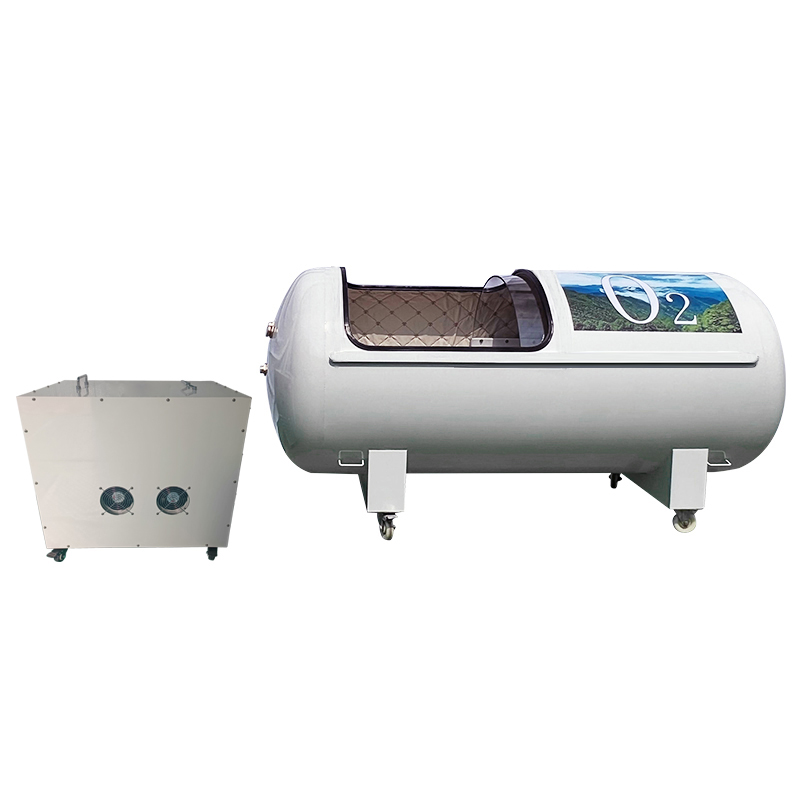
Muscle strains are one of the most common injuries in sports, and HBOT can significantly accelerate muscle repair by increasing oxygen delivery to damaged tissues. For athletes recovering from soft tissue injuries, such as muscle tears or contusions, HBOT helps reduce inflammation and promotes the healing of muscle fibers. Studies have shown that athletes who undergo HBOT report faster recovery times and a reduction in pain, making it an invaluable tool in managing muscle injuries. The therapy also reduces delayed onset muscle soreness (DOMS), allowing athletes to resume training sooner. The table below details the treatment parameters for muscle injuries using HBOT, including session scheduling, expected outcomes, and necessary recovery time.
| Injury Type | HBOT Pressure (ATA) | Session Duration | Frequency | Expected Benefits |
|---|---|---|---|---|
| Muscle Strain | 2.0-2.5 ATA | 60-90 minutes | Daily initially, reducing to 1-3 sessions per week | Accelerates muscle repair, reduces pain and swelling |
| Muscle Contusion | 2.5 ATA | 90 minutes | 3-4 times per week | Reduces muscle damage markers (creatine kinase), promotes faster recovery |
| Soft Tissue Injury | 2.0 ATA | 60-90 minutes | 1-2 sessions per day | Enhances tissue regeneration, reduces inflammation |
HBOT plays a vital role in the recovery of ligaments and tendons by promoting collagen production and improving the healing of connective tissues. Ligament sprains and tears are common in high-impact sports, and HBOT accelerates healing by enhancing tissue repair and reducing inflammation. By increasing oxygen levels around the injury site, HBOT also aids in the regeneration of blood vessels, improving blood flow and nutrient delivery to the damaged tissues. This results in a faster recovery and a stronger, more resilient ligament or tendon once healed.
For bone and joint injuries, such as fractures or bone marrow edema, HBOT can significantly improve the healing process. The increased oxygen supply promotes bone regeneration and enhances the healing of joint tissues. Studies have shown that HBOT helps improve bone density and stimulate osteoblast activity, which is essential for fracture healing. For joint injuries, the therapy promotes faster recovery by reducing inflammation and improving the delivery of nutrients to the damaged tissues, aiding in cartilage repair and overall joint health.
HBOT is most effective when combined with other recovery strategies, such as physical therapy and proper nutrition. Physical therapy helps maintain and restore muscle strength and flexibility, while HBOT enhances the healing process. A balanced diet rich in protein, vitamins, and minerals also supports tissue repair, making it an essential component of recovery. When used together, these strategies can significantly reduce recovery time and improve an athlete’s overall performance.
Rest and sleep are fundamental for muscle recovery, as the body repairs and regenerates tissues during sleep. HBOT contributes to better sleep quality by reducing physical fatigue and promoting relaxation. Ensuring adequate sleep between HBOT sessions helps athletes recover faster, maintain optimal energy levels, and perform at their best during training and competition. A consistent sleep routine, coupled with HBOT, provides athletes with a comprehensive recovery strategy.
Active recovery techniques, such as light stretching, yoga, or low-intensity exercise, can complement HBOT by improving circulation and promoting muscle flexibility. Massage therapy also works synergistically with HBOT by relieving muscle tightness, improving blood flow, and aiding in the removal of metabolic waste products. Together, these recovery techniques enhance the overall effectiveness of HBOT, ensuring athletes stay in peak condition.
In addition to its benefits in injury recovery, HBOT can also enhance athletic performance by improving endurance and reducing fatigue. The increased oxygen delivery supports better aerobic metabolism, allowing athletes to perform at higher intensities for longer durations. By reducing the onset of fatigue, HBOT allows athletes to train more frequently and with greater intensity, leading to improved endurance and stamina over time.
HBOT has been shown to improve cognitive function by increasing oxygen delivery to the brain. This can enhance reaction time, decision-making, and mental focus, which are essential for athletes during training and competition. By alleviating mental fatigue, HBOT helps athletes maintain sharp focus and mental clarity, even during long or high-pressure events. This cognitive boost can be the difference between peak performance and exhaustion.
HBOT contributes to overall athletic performance by improving recovery time, reducing inflammation, and enhancing muscle repair. These benefits allow athletes to train harder and more frequently, leading to greater progress and improved results. With a faster recovery cycle, athletes can push their limits, gain strength, and reach their full potential, making HBOT an essential tool in any athlete’s recovery arsenal.
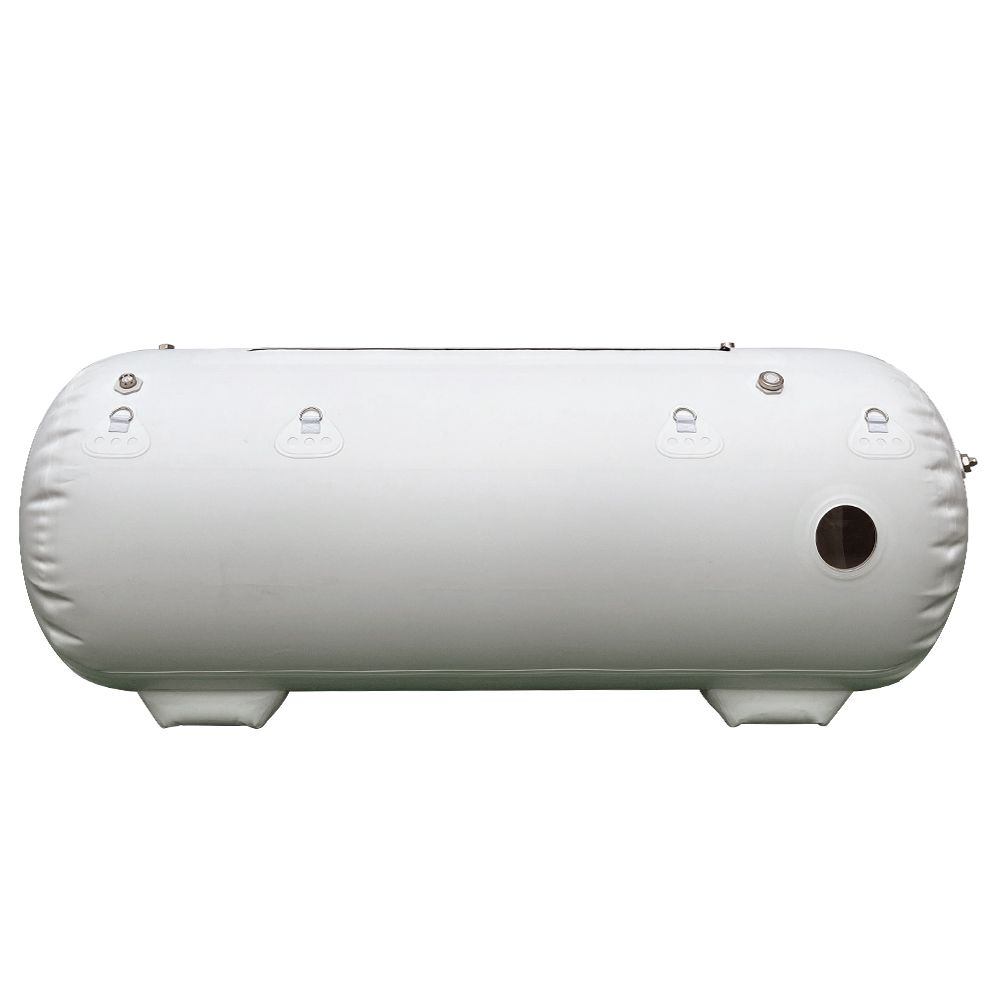
While HBOT is generally considered safe, there are certain side effects and risks, particularly when undergoing significant pressure changes. The table below summarizes potential side effects and provides recommendations for managing them.
| Potential Side Effect | Cause | Management/Precaution | Frequency | Severity |
|---|---|---|---|---|
| Barotrauma (ear/sinus discomfort) | Rapid pressure change | Equalizing pressure, slow chamber pressurization | Common | Mild to moderate |
| Oxygen Toxicity (CNS or pulmonary) | Extended exposure to high oxygen levels | Adhere to recommended session limits | Rare | Severe if untreated |
| Claustrophobia | Confinement inside the chamber | Use of larger chambers, optional sedation | Occasional | Mild to moderate |
Tip: Monitoring and professional guidance are crucial to ensure gradual pressure changes and adherence to recommended session times, minimizing the occurrence of side effects.
Personalized HBOT protocols are essential for maximizing recovery, as every athlete’s injury and physical condition is unique. A thorough assessment of the injury type, training intensity, and recovery timeline is critical to design an effective protocol. Research suggests that athletes recovering from different sports-related injuries (e.g., muscle strains vs. ligament tears) may require varied pressure levels, session durations, and frequencies. Collaboration with sports medicine professionals ensures that the HBOT treatment aligns with the athlete's recovery goals, enhancing tissue repair and optimizing performance gains.
Close supervision by trained professionals during HBOT sessions is vital for both safety and efficacy. Continuous monitoring helps detect early signs of potential side effects, such as barotrauma or oxygen toxicity, ensuring quick intervention if needed. Studies show that consistent monitoring of heart rate, oxygen levels, and overall physical response during sessions not only enhances treatment safety but also improves recovery outcomes. By adhering to personalized treatment protocols and real-time adjustments, athletes can ensure the effectiveness of HBOT while minimizing risks associated with high-pressure oxygen exposure.
Several elite athletes, including LeBron James, Michael Phelps, and Rafael Nadal, have publicly endorsed HBOT as a crucial part of their recovery and performance enhancement strategies. These athletes use HBOT to speed up muscle repair, reduce inflammation, and prevent injuries. Studies have shown that HBOT can help athletes maintain peak performance levels by facilitating faster recovery between training sessions and competitions, giving them a competitive edge in high-stakes environments.
A wealth of scientific research backs the use of HBOT for athletic recovery, particularly in accelerating muscle repair and reducing inflammation. Clinical studies have shown that HBOT promotes angiogenesis, enhances collagen production, and stimulates stem cells to repair tissue. In one study, athletes undergoing HBOT had significantly lower levels of muscle damage markers like creatine kinase, suggesting that HBOT helps speed up the healing process, making it a vital tool for athletes seeking quicker recovery times.
Professional sports teams across major leagues, including the NFL and NBA, have increasingly adopted HBOT as part of their injury recovery protocols. For example, the Dallas Mavericks NBA team incorporates HBOT to reduce recovery times and keep players at optimal fitness levels. Case studies reveal that teams using HBOT report fewer injuries and quicker rehabilitation, allowing athletes to return to competition faster. This real-world application of HBOT in professional sports provides strong evidence of its efficacy in managing injuries and enhancing performance.
Hyperbaric Oxygen Therapy offers athletes a wide range of recovery benefits, from accelerating healing after injuries to improving overall performance. By enhancing oxygen availability, HBOT helps speed up recovery, reduce inflammation, and promote tissue regeneration. As more athletes and teams incorporate HBOT into their recovery protocols, its role in sports medicine continues to grow. Fugui Oxygen Chamber Technology (Zhongshan) Co., LTD. provides advanced HBOT solutions that offer efficient recovery, improved performance, and reduced injury risks, ensuring athletes stay at their peak.
A: Hyperbaric Oxygen Chamber Recovery involves breathing 100% oxygen in a pressurized chamber, which speeds up the body's natural healing processes. It helps accelerate recovery, reduce inflammation, and promote tissue regeneration.
A: Hyperbaric Oxygen Chamber Recovery increases oxygen delivery to tissues, helping athletes recover faster from muscle strains, soft tissue injuries, and joint problems by reducing inflammation and accelerating healing.
A: Hyperbaric Oxygen Chamber Recovery enhances recovery times, reduces soreness, and supports muscle repair. Athletes use it to optimize recovery, reduce downtime, and improve overall performance after intense training or competition.
A: The cost of Hyperbaric Oxygen Chamber Recovery varies depending on location and session duration. Generally, prices range from $100 to $300 per session, with packages often available for regular use.
A: For optimal results, athletes should undergo Hyperbaric Oxygen Chamber Recovery sessions 1-3 times per week, depending on injury severity and training intensity. Acute injuries may require more frequent sessions initially.
A: Yes, Hyperbaric Oxygen Chamber Recovery not only aids injury recovery but also helps enhance endurance, reduce fatigue, and improve mental clarity, making it a useful tool for boosting athletic performance.


