Fugui Oxygen Chamber Technology (Zhongshan) Co., LTD

- All
- Product Name
- Product Keyword
- Product Model
- Product Summary
- Product Description
- Multi Field Search
English
Views: 0 Author: Site Editor Publish Time: 2026-01-23 Origin: Site


Oxygen is essential for the body’s healing and recovery. But with different therapies available, how do you choose the best one? In this article, we will compare two popular oxygen treatments: Hyperbaric Oxygen Chamber (HBOT) and Normal Oxygen Therapy (Normobaric). You will learn about their differences, their uses, and how to select the right therapy for your needs.
Hyperbaric Oxygen Therapy (HBOT) involves breathing pure oxygen in a specially designed pressurized chamber. During treatment, patients inhale 100% oxygen, typically at a pressure of 2 to 3 times the normal atmospheric pressure (2-3 ATA). This high-pressure environment allows the body to absorb significantly more oxygen than it would under normal conditions. The oxygen is carried through the bloodstream to tissues and organs, helping to accelerate healing and reduce inflammation.
HBOT is often used to treat severe medical conditions where tissues are deprived of oxygen. This includes conditions such as chronic non-healing wounds, carbon monoxide poisoning, decompression sickness (commonly seen in divers), severe infections, and radiation injuries. HBOT can also promote the healing of surgical wounds and enhance recovery from stroke or traumatic brain injury. The high oxygen concentration in the blood promotes tissue regeneration and boosts the body’s ability to fight infection.
| Condition | Applicable Treatment | Therapeutic Effects | Considerations |
|---|---|---|---|
| Chronic Non-Healing Wounds | HBOT enhances blood circulation and oxygenation at the wound site, promoting healing | Stimulates collagen production, accelerates wound healing, and reduces the risk of infection | Must be conducted under medical supervision to avoid oxygen toxicity |
| Carbon Monoxide Poisoning | Pure oxygen replaces carbon monoxide, rapidly clearing it from the blood | Increases oxygen levels to clear carbon monoxide and reduce long-term complications from poisoning | Close monitoring of vital signs and oxygen levels is necessary |
| Decompression Sickness (Divers) | HBOT helps restore normal gas exchange by increasing pressure in the chamber | Relieves gas embolism, promotes blood flow, and prevents long-term organ damage | Strict control of the treatment environment is needed to avoid pressure-related complications |
| Severe Infections | Used alongside antibiotics to enhance white blood cell function and immune response | Boosts immune system efficiency, enhances antibiotic effectiveness, and supports infection resistance | Should be used in conjunction with antibiotics to avoid antibiotic resistance |
| Radiation Injuries | Promotes repair of tissues damaged by radiation therapy | Stimulates angiogenesis, accelerates tissue regeneration, and reduces side effects from radiation | Best used in the early stages post-radiation to maximize therapeutic effect |
| Acute Trauma | Used in the acute stage of trauma treatment to speed up recovery | Promotes tissue regeneration, reduces inflammation and bleeding, and shortens recovery time | Treatment duration and oxygen concentration must be carefully controlled to avoid oxygen toxicity |
Tip: HBOT is highly effective for treating acute conditions like trauma and carbon monoxide poisoning, accelerating healing and recovery. Always ensure the therapy is administered under professional medical supervision to maximize safety and effectiveness.
The primary mechanism behind HBOT is its ability to significantly increase the amount of oxygen that dissolves in the plasma of the blood. The elevated pressure forces more oxygen into the blood, allowing it to reach tissues that would otherwise be deprived. This enhanced oxygen supply supports cellular function, boosts the production of collagen, and accelerates the formation of new blood vessels, all of which are essential for tissue repair and healing.
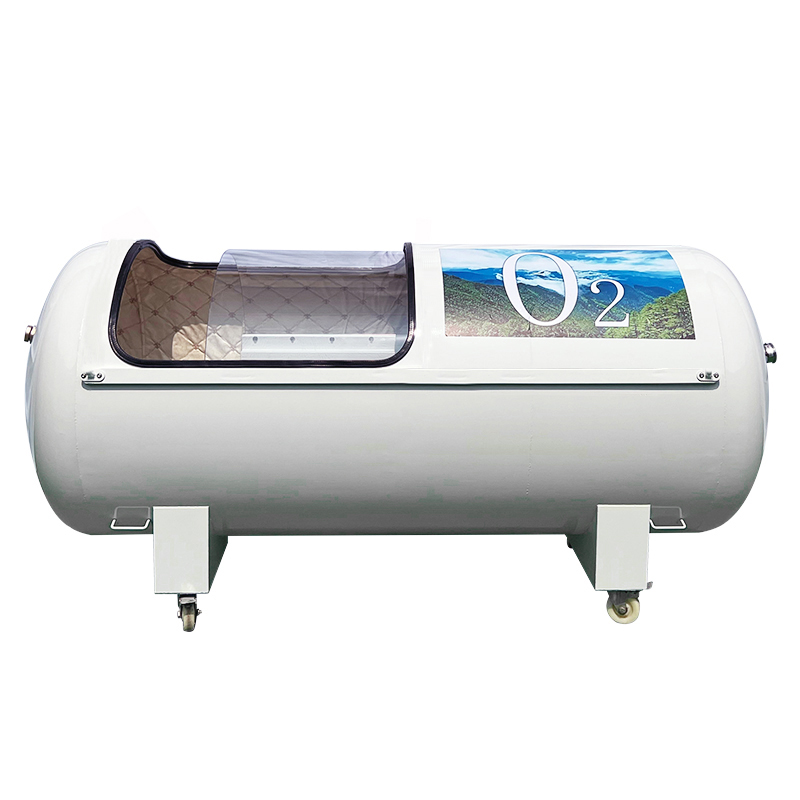
Normal Oxygen Therapy, or Normobaric Oxygen Therapy, involves delivering oxygen to patients at normal atmospheric pressure (1 ATA). The oxygen provided may be pure or enriched with air, and it is administered through various devices such as nasal cannulas, face masks, or oxygen tanks. Unlike HBOT, Normobaric Oxygen Therapy does not involve pressurization but focuses on increasing the oxygen levels available to the patient, typically in a hospital or home setting.
Normobaric Oxygen Therapy is commonly used to manage chronic respiratory conditions like Chronic Obstructive Pulmonary Disease (COPD), pneumonia, asthma, and cystic fibrosis. It is also used for short-term oxygen support in conditions like sleep apnea or during recovery from surgery. Patients with low blood oxygen levels can benefit from the increased oxygen provided through normobaric therapy, making it a vital treatment option for managing ongoing respiratory issues.
Normobaric therapy works by increasing the oxygen concentration in the patient’s lungs, which then allows for better oxygen exchange into the bloodstream. While the oxygen levels are higher than what would be available from normal air, the therapy does not increase the atmospheric pressure. The primary goal is to support the lungs in cases where the body cannot effectively absorb enough oxygen from the air alone, especially in patients with compromised lung function.
One of the key differences between HBOT and Normobaric Oxygen Therapy is the atmospheric pressure. In HBOT, oxygen is delivered at pressures greater than the standard atmosphere, typically 2-3 ATA, which allows much more oxygen to be absorbed by the body. In contrast, Normobaric therapy operates at normal atmospheric pressure (1 ATA), which limits the amount of oxygen that can be dissolved in the blood.
While both therapies aim to increase the oxygen supply in the body, HBOT uses 100% oxygen, whereas Normobaric therapy typically uses either enriched air (30-40% oxygen) or pure oxygen. The higher oxygen concentration in HBOT allows for deeper oxygen penetration into tissues and enhanced healing, especially for severe conditions like chronic wounds or infections.
HBOT is generally used for more severe medical conditions that require intensive treatment, such as gas embolism, severe infections, or radiation injuries. The treatment is typically carried out in specialized medical facilities under close supervision. In contrast, Normobaric Oxygen Therapy is used for ongoing management of chronic conditions, with treatments that are less intense and can be administered at home or in a clinic. It is a less invasive and more accessible option for long-term oxygen support.
The following table compares the benefits of Hyperbaric Oxygen Therapy (HBOT) and Normobaric Oxygen Therapy. It includes their uses, benefits, and technical specifications, highlighting how each therapy supports patients with different medical needs.
| Feature | Hyperbaric Oxygen Therapy (HBOT) | Normobaric Oxygen Therapy |
|---|---|---|
| Pressure Level | 2-3 ATA (atmospheres absolute) | 1 ATA (normal atmospheric pressure) |
| Oxygen Concentration | 100% pure oxygen | Enriched air (30-40%) or pure oxygen |
| Primary Benefits | Promotes healing, combats infections, stimulates blood vessel growth, and boosts the immune system. | Provides oxygen support for chronic conditions, reduces fatigue, and improves lung function. |
| Used For | Severe conditions such as gas embolism, severe burns, chronic wounds caused by diabetes, carbon monoxide poisoning, decompression sickness. | Long-term support for conditions like COPD, pneumonia, asthma, and cystic fibrosis. |
| Treatment Intensity | High intensity, requires specialized medical supervision | Lower intensity, can be used with less medical oversight |
| Application Area | Medical settings, often used in hospitals or specialized clinics. | Can be used at home or in outpatient settings |
| Required Equipment | Pressurized chamber, medical supervision | Oxygen tanks, nasal cannulas, face masks, or home-use devices |
| Duration | 90 minutes to 2 hours per session | 1-2 hours per session (can be administered more frequently) |
| Effectiveness | Accelerates tissue regeneration, reduces infections, enhances recovery from severe conditions. | Enhances oxygenation in the blood, supports chronic lung disease management. |
Tip: When considering HBOT, ensure the facility is accredited, as it requires specific pressure and oxygen delivery systems for maximum effectiveness. For long-term chronic management, normobaric oxygen therapy offers flexibility with home-use devices.
Both Hyperbaric Oxygen Therapy (HBOT) and Normobaric Oxygen Therapy play significant roles in treating a variety of medical conditions that require enhanced oxygenation. HBOT is highly effective for severe conditions such as chronic non-healing wounds, carbon monoxide poisoning, decompression sickness, and radiation injury, where the body’s natural healing mechanisms are impaired due to oxygen deprivation in the tissues. In contrast, Normobaric Oxygen Therapy is primarily used for chronic conditions like Chronic Obstructive Pulmonary Disease (COPD), asthma, and pneumonia. It provides consistent oxygen support to patients with respiratory issues, helping them maintain better lung function and prevent complications from insufficient oxygen intake.
HBOT accelerates the healing process by delivering oxygen under pressure, which enhances the formation of collagen and stimulates the growth of new blood vessels. This process speeds up tissue repair, reduces inflammation, and prevents infections, making HBOT essential for conditions involving severe tissue damage or poor circulation. On the other hand, Normobaric Oxygen Therapy works by ensuring a steady oxygen supply to the lungs, helping improve oxygen saturation levels in the blood, especially in patients with compromised lung function. This supports overall health and helps maintain vital bodily functions over the long term.
HBOT has been shown to boost the body’s immune system by enhancing the function of white blood cells, which play a crucial role in fighting infections. The increased oxygen levels also stimulate the production of growth factors that promote tissue repair and regeneration, making HBOT an effective treatment for a wide range of medical conditions. For patients using Normobaric Oxygen Therapy, the long-term effects include reduced fatigue, improved exercise tolerance, and better management of chronic respiratory symptoms. By consistently supporting lung function, patients experience an enhanced quality of life and can enjoy a more active, healthier lifestyle.
When selecting between HBOT and Normobaric Oxygen Therapy, the patient's condition and oxygen requirements should be thoroughly evaluated. HBOT is particularly beneficial for treating acute, life-threatening conditions, such as severe burns, traumatic injuries, and carbon monoxide poisoning, where deep tissue oxygenation can significantly enhance healing. On the other hand, Normobaric therapy provides a steady, lower intensity oxygen support that helps manage chronic conditions like COPD, cystic fibrosis, and asthma, where continuous but less intensive oxygen supplementation is necessary.
Consulting with a healthcare provider is crucial in determining the appropriate therapy. Medical professionals consider the patient's clinical history, the severity of their condition, and potential risks before recommending either HBOT or Normobaric therapy. A doctor’s expertise ensures that the selected treatment aligns with the patient’s health status, improves their chances of recovery, and minimizes potential complications. Additionally, ongoing medical supervision allows for timely adjustments to the therapy to optimize results.
The cost of HBOT can be significantly higher than Normobaric therapy due to the specialized chambers, professional supervision, and medical infrastructure required. This makes HBOT less accessible for long-term treatments, especially for patients with chronic conditions. In contrast, Normobaric therapy is more affordable and can be conducted in outpatient clinics or even at home, providing patients with greater flexibility. Additionally, portable oxygen concentrators and home-use devices allow for consistent, cost-effective management of chronic conditions, improving patient adherence and comfort in daily use.
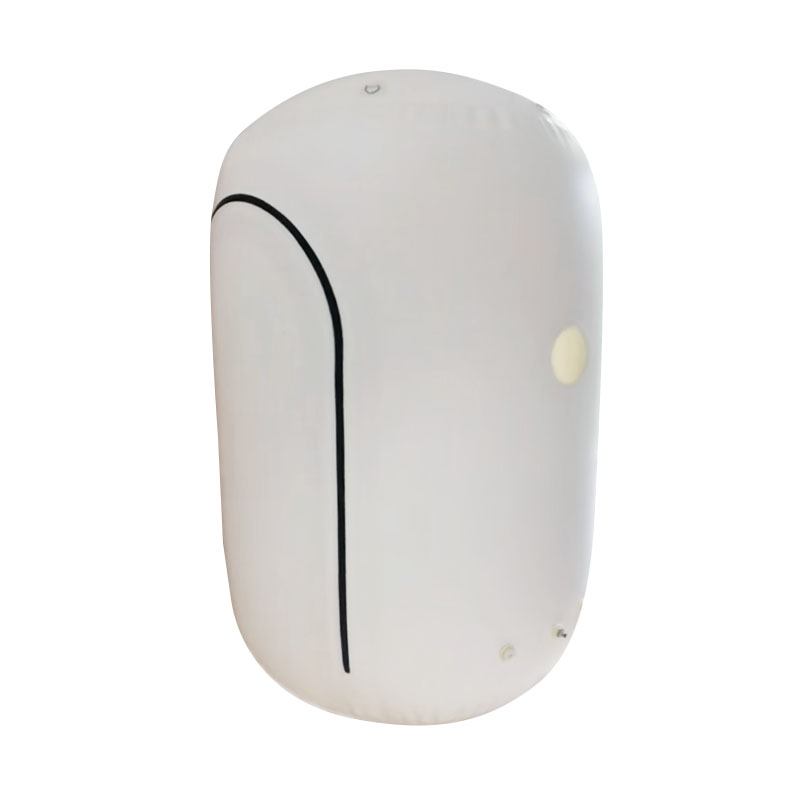
Recent studies have shown that Hyperbaric Oxygen Therapy (HBOT) could play a significant role in treating neurological conditions, such as stroke recovery and traumatic brain injury (TBI). Research indicates that HBOT may help promote neurogenesis, improve cognitive function, and reduce inflammation in the brain, aiding the recovery of patients with brain injuries. These new applications suggest HBOT’s potential beyond traditional wound healing, opening the door for broader clinical use in neurology and rehabilitation.
Technological progress is rapidly enhancing the effectiveness of both HBOT and Normobaric Oxygen Therapy. New chamber designs, such as portable and compact models, are making HBOT more accessible in outpatient and home settings. Additionally, innovations in oxygen delivery systems, like more efficient concentrators and advanced monitoring tools, are improving treatment precision, comfort, and patient outcomes. These innovations are reducing costs and expanding the availability of oxygen therapy to a broader patient population.
As healthcare providers recognize the benefits of both HBOT and Normobaric oxygen therapy, treatment availability is increasing worldwide. Portable oxygen concentrators and compact, home-use devices are making oxygen therapy more convenient for chronic condition management. Moreover, advancements in telemedicine are enabling remote monitoring of treatment progress, further expanding access for patients in rural or underserved areas, and allowing them to manage their condition comfortably at home.
In this article, we compared two oxygen therapies: Hyperbaric Oxygen Chamber (HBOT) and Normobaric Oxygen Therapy, exploring their uses, benefits, and differences. While both therapies increase oxygen levels in the body, HBOT uses high-pressure oxygen to treat severe conditions, whereas Normobaric therapy offers long-term support for chronic respiratory issues at normal pressure. Fugui Oxygen Chamber Technology (Zhongshan) Co., LTD. provides advanced Hyperbaric Oxygen Chamber solutions, offering significant therapeutic value by promoting faster healing, reducing infections, and enhancing overall recovery. Their products are designed for both medical facilities and home use, providing accessible and effective oxygen therapy options for a variety of conditions. Choose HBOT for acute, severe conditions requiring deep tissue oxygenation, and opt for Normobaric therapy for chronic conditions needing ongoing support.
A: A Hyperbaric Oxygen Chamber is a pressurized environment where patients breathe 100% oxygen, promoting enhanced oxygen absorption in tissues for healing and regeneration.
A: The Hyperbaric Oxygen Chamber works by increasing pressure to allow more oxygen to dissolve in the blood, enhancing tissue repair, reducing inflammation, and boosting immune function.
A: Hyperbaric Oxygen Chamber therapy involves high pressure and 100% oxygen, while normal oxygen therapy uses lower oxygen concentration at normal atmospheric pressure for chronic conditions.
A: The Hyperbaric Oxygen Chamber promotes faster healing, fights infections, enhances tissue regeneration, and supports recovery from severe conditions like chronic wounds and carbon monoxide poisoning.
A: Yes, portable Hyperbaric Oxygen Chambers are available for home use, allowing patients to manage chronic conditions with the convenience of at-home therapy.
A: Hyperbaric Oxygen Chambers are used to treat chronic wounds, carbon monoxide poisoning, decompression sickness, radiation injury, and severe infections by increasing oxygen levels in the body.
A: If you're treating severe, acute conditions like gas embolism or chronic non-healing wounds, a Hyperbaric Oxygen Chamber provides a higher oxygen concentration under pressure for more effective healing.


