Fugui Oxygen Chamber Technology (Zhongshan) Co., LTD

- All
- Product Name
- Product Keyword
- Product Model
- Product Summary
- Product Description
- Multi Field Search
English
Views: 0 Author: Site Editor Publish Time: 2026-01-27 Origin: Site


Sports injuries can derail an athlete's career, often leading to long recovery periods and lost opportunities. Could Hyperbaric Oxygen Therapy (HBOT) be the solution to speed up healing? In this article, we will explore the potential of HBOT in treating sports injuries and discuss how it may enhance recovery and performance for athletes. You’ll discover the science behind HBOT, its benefits, and real-world experiences from athletes who have used it for their recovery.
Hyperbaric Oxygen Therapy (HBOT) is a treatment where patients breathe 100% oxygen in a pressurized chamber. Under normal atmospheric pressure, oxygen is carried by hemoglobin in the blood. However, at higher pressures, oxygen dissolves directly into the plasma, significantly increasing the oxygen available to tissues. This enhanced oxygen supply helps stimulate healing processes, particularly in damaged tissues that are deprived of adequate oxygen due to injury. HBOT typically involves sessions lasting between 90 and 120 minutes, with pressures ranging from 2.0 to 2.5 ATA, which has been shown to provide optimal benefits for healing.
HBOT promotes the proliferation of endothelial progenitor cells, which are crucial for the formation of new blood vessels (neovascularization). This process improves blood flow to damaged tissues, providing more oxygen and essential nutrients needed for healing. Additionally, HBOT stimulates collagen production, which is vital for repairing soft tissues, ligaments, and tendons. The increased oxygenation supports cellular repair, reduces ischemia, and accelerates the transition from inflammation to tissue regeneration.
Inflammation and swelling are common responses to injury, leading to delayed healing and prolonged recovery. HBOT has a significant anti-inflammatory effect by improving microcirculation and decreasing edema (swelling). It helps by reducing the accumulation of harmful oxygen radicals, which are responsible for tissue damage during the inflammatory phase. By modulating the inflammatory response, HBOT facilitates faster healing, reduces pain, and improves overall recovery outcomes.Below is a summary of common technical parameters and outcome indicators during HBOT treatment, helping professionals understand treatment plans more effectively.
| Parameter | Range | Effect | Considerations |
|---|---|---|---|
| Treatment Pressure | 2.0–2.5 ATA | Increases tissue oxygenation, promotes circulation | High-pressure treatment must follow specific time and pressure settings |
| Treatment Duration | 90–120 minutes | Reduces swelling, promotes wound healing | 5–7 sessions per week, depending on injury severity |
| Oxygen Concentration | 100% Oxygen | Enhances anti-inflammatory effects, reduces tissue hypoxia | Must be supervised by a professional |
| Blood Oxygen Saturation | Up to 200% (normal value) | Promotes oxygen dissolution in blood, improving blood flow | Monitor patient's adaptation to pressure changes to avoid adverse effects |
Tip: Ensure the treatment follows recommended pressure and duration settings to achieve the best results and avoid negative impacts of excessive pressure.
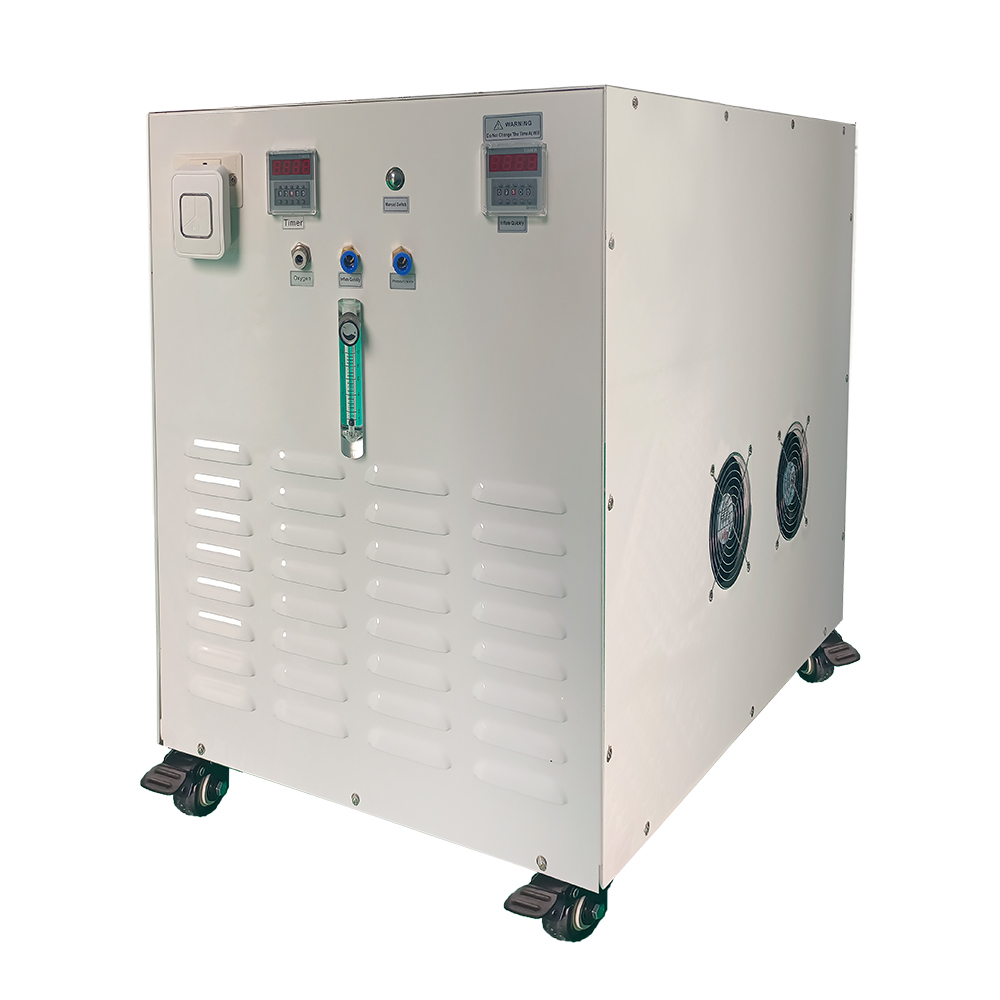
Muscle strains and tears are among the most common sports injuries. HBOT has been shown to significantly speed up recovery by improving muscle tissue oxygenation, reducing inflammation, and stimulating the repair of damaged fibers. Studies indicate that HBOT accelerates the recovery process, helping athletes return to training and competition sooner. For instance, research has demonstrated that athletes who receive HBOT post-injury experience faster healing and a quicker return to full function compared to those receiving conventional treatments. The table summarizes common treatment protocols and recovery outcomes, helping clinicians select appropriate treatment plans.
| Treatment Type | Pressure (ATA) | Treatment Duration (Minutes) | Recovery Outcome | Applicable Injuries |
|---|---|---|---|---|
| Acute Muscle Strain | 2.5 ATA | 90-120 | Significant recovery acceleration, reduced muscle soreness | Rapid recovery, prevents long-term damage |
| Chronic Muscle Tear | 2.0 ATA | 90 | Faster recovery, reduced scar formation | Extended treatment cycle, gradual recovery |
| Post-intensive Exercise Recovery | 2.2 ATA | 60 | Enhanced endurance, reduced fatigue | Suitable for athletes undergoing high-intensity training |
HBOT is highly beneficial for repairing bones and soft tissues like ligaments and tendons. The increased oxygen levels in the blood enhance collagen production, promoting the healing of connective tissues that are vital for joint function and overall mobility. Furthermore, the stimulation of new blood vessel growth accelerates healing in injured tissues, particularly those that have limited blood flow, such as ligaments and tendons. This makes HBOT an excellent adjunctive treatment for athletes recovering from fractures and soft tissue damage.
Pain management is crucial for athletes recovering from injuries. HBOT has been found to reduce pain levels by mitigating inflammation and promoting faster healing. The therapy’s ability to enhance cellular repair and improve oxygen delivery helps athletes recover more quickly, leading to less pain and discomfort during rehabilitation. Additionally, HBOT supports overall performance by reducing fatigue, promoting quicker recovery between training sessions, and improving muscle endurance.
HBOT has proven to be highly effective in treating muscle strains and tears. Studies show that athletes who undergo HBOT treatment recover faster and experience less pain compared to those who receive traditional treatments. The therapy works by enhancing oxygen delivery to the injured muscle tissue, which promotes quicker repair and reduces swelling. HBOT also helps by preventing long-term muscle weakness or stiffness, which can hinder future performance.
The effectiveness of HBOT for ligament and tendon injuries is still being studied, but animal studies have shown promising results. In humans, the results have been mixed, with some studies indicating that HBOT can enhance the healing of ligaments and tendons by improving collagen synthesis and tissue remodeling. While further research is needed, it is evident that HBOT has the potential to aid in the recovery of these types of injuries, especially when used alongside other rehabilitation methods.
Concussions and other brain injuries are a major concern for athletes, particularly those in contact sports. Research has shown that HBOT can help reduce brain swelling and promote cognitive recovery following a concussion. The therapy works by increasing oxygen delivery to the brain, which helps decrease inflammation and improve the healing of neural tissue. While more long-term research is required, the initial findings indicate that HBOT could be a valuable treatment for athletes recovering from concussions and brain injuries.
To achieve the maximum benefits from HBOT, it is essential to follow an optimal treatment protocol. Studies suggest that sessions lasting 90 to 120 minutes at a pressure of 2.0 to 2.5 ATA yield the best results. The frequency of treatments should be at least five days a week for optimal healing. However, the exact number of sessions required will depend on the severity of the injury and the athlete's individual recovery needs. A medical professional should tailor the treatment plan based on these factors.
Many elite athletes incorporate HBOT into their overall recovery regimen, which may include physical therapy, massage, and other rehabilitative treatments. By integrating HBOT into a broader recovery strategy, athletes can speed up their healing process, minimize downtime, and enhance their performance. Professional sports teams often use HBOT to maintain a competitive edge, as it helps athletes recover quickly and stay at peak performance levels.
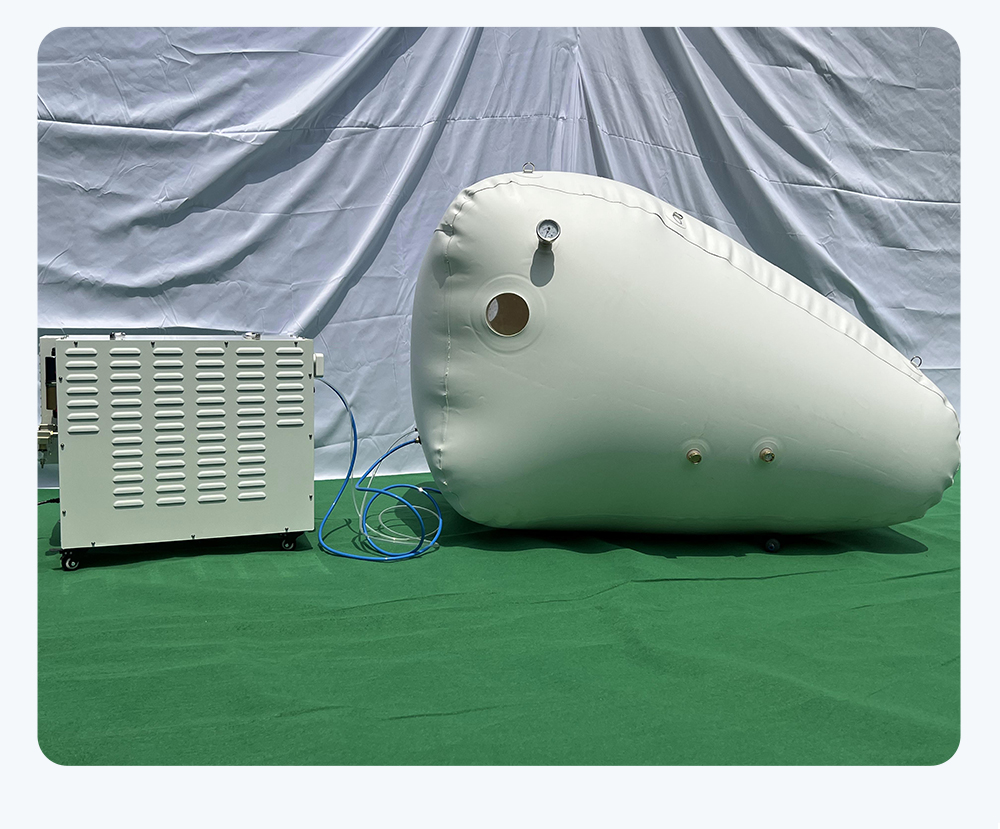
Kai Kara-France, a UFC flyweight fighter, used HBOT therapy to recover from intense training and combat injuries. After completing 20 HBOT sessions, Kai reported significant improvements in his recovery times and mental clarity. He noticed a marked reduction in aches and pains, and better sleep quality, which helped him stay sharp and perform better in his fights. His experience highlights the benefits of HBOT for athletes in high-contact sports who experience frequent injuries.
Anton Lienert-Brown, a player for the New Zealand All Blacks rugby team, turned to HBOT following collarbone surgery. After 15 sessions, he reported not only improved healing of his injury but also enhanced cognitive function and overall well-being. The benefits of HBOT extended beyond physical recovery, demonstrating how it can support mental clarity and performance for athletes recovering from surgery or injury.
Brazilian Jiu-Jitsu athlete Gladys Siganu experienced chronic pain in his elbow and shoulder, which significantly affected his training. After undergoing HBOT therapy, Gladys noticed an immediate reduction in pain and improved sleep quality. His story underscores how HBOT can provide relief for chronic pain and promote faster recovery, allowing athletes to return to training without lingering discomfort.
While HBOT is generally considered safe, it is important to be aware of potential side effects. Barotrauma, which causes ear pain and fluid buildup due to pressure changes, is the most common side effect. Oxygen toxicity, although rare, can occur at excessively high oxygen levels and may lead to seizures or lung damage. Temporary vision changes, such as myopia, can also occur during treatment. These risks can typically be managed with proper supervision and adherence to treatment protocols.
The following table categorizes individuals who should avoid HBOT, outlining the specific characteristics and considerations for each group. It is crucial to assess individual health conditions before starting HBOT to ensure safety.
| Category | Conditions to Avoid | Specific Considerations | Potential Risks |
|---|---|---|---|
| Lung Conditions | Chronic Obstructive Pulmonary Disease (COPD), Asthma, Pulmonary Embolism | Reduced ability to adapt to increased oxygen levels and pressure | Risk of lung damage or breathing complications |
| Recent Ear Surgery | Any ear surgery within the past 3–6 months | Healing ears may not withstand pressure changes | Risk of barotrauma (pressure-related ear damage) |
| Fever | Active infection, high body temperature | Fever suggests ongoing inflammation or infection, which may be exacerbated by HBOT | Increased risk of worsening infection or dehydration |
| Pregnancy | Expectant mothers (especially during the first trimester) | Lack of sufficient research on the safety of HBOT during pregnancy | Potential unknown risks to fetal development |
| Severe Heart Conditions | Recent heart attacks, unstable angina, or untreated cardiac issues | Increased oxygen levels may put undue stress on the heart | Potential for exacerbating heart conditions |
| Uncontrolled Diabetes | Poorly controlled blood sugar levels | Inadequate blood sugar regulation can interfere with healing and the effectiveness of HBOT | Possible complications in tissue healing and metabolism |
HBOT, while generally safe, requires careful monitoring to ensure its effectiveness and prevent potential complications. A comprehensive pre-treatment evaluation, including a review of medical history, lung function, and cardiovascular health, is crucial. During treatment, oxygen levels, pressure, and patient comfort should be continuously monitored by trained professionals. Scientific studies emphasize the importance of individualized treatment plans, where protocols like adjusting session frequency and pressure are tailored to the athlete’s injury type and health status. This ensures optimal healing while minimizing adverse effects. Regular follow-ups help track progress and adjust protocols as needed.
Hyperbaric Oxygen Therapy (HBOT) has shown promising potential in treating various sports injuries, including muscle strains, bone fractures, and soft tissue damage. It enhances recovery times, reduces pain, and boosts overall performance when integrated with other rehabilitation methods like physical therapy. Fugui Oxygen Chamber Technology (Zhongshan) Co., LTD. offers advanced HBOT solutions, providing athletes with an effective way to accelerate their healing process and achieve peak performance faster. Through its state-of-the-art chambers, the company ensures athletes benefit from the optimal therapeutic environment needed for faster recovery and improved outcomes.
A: A Hyperbaric Oxygen Chamber is a treatment device where patients breathe 100% oxygen under increased pressure. This enhances oxygen delivery to tissues, aiding in faster healing of sports injuries.
A: HBOT improves oxygenation to injured tissues, reduces inflammation, and accelerates healing. It supports muscle recovery, bone repair, and alleviates pain, helping athletes recover quicker.
A: A typical session lasts between 90 to 120 minutes, with treatments administered several times per week for optimal results.
A: While generally safe, potential risks include barotrauma (ear pain) and oxygen toxicity. These are minimized with proper supervision and adherence to treatment protocols.
A: The cost varies depending on location and the number of sessions. On average, a single session can range from $50 to $300.


