Fugui Oxygen Chamber Technology (Zhongshan) Co., LTD

- All
- Product Name
- Product Keyword
- Product Model
- Product Summary
- Product Description
- Multi Field Search
English
Views: 0 Author: Site Editor Publish Time: 2025-12-22 Origin: Site


Hyperbaric oxygen therapy is changing faster than ever. In 2025, new technology and demand are pushing oxygen chambers beyond traditional hospital use.This article explores why this year matters, how oxygen chambers are reshaping care, wellness, and home treatment, and what these trends mean for patients, providers, and the market.
In 2025, oxygen chambers are no longer passive medical devices, they actively adjust treatment in real time. AI-driven control systems now optimize pressure levels, oxygen concentration, and session duration based on patient response, rather than fixed presets. It monitors patterns, detects irregularities early, and issues predictive safety alerts before risks escalate. These systems also enable data-driven personalization, replacing one-size-fits-all protocols and improving outcomes across wounds, neurological recovery, and rehabilitation.
Engineering breakthroughs have made oxygen chambers lighter, modular, and easier to install, without sacrificing clinical standards. Portable designs use reinforced soft-shell materials, compact compressors, and simplified pressure controls, allowing supervised home use for selected patients. They support chronic wound care, post-surgery recovery, and aging populations who need frequent sessions. This shift reduces travel burdens, lowers long-term costs, and expands access beyond hospitals and specialty clinics.
Modern oxygen chambers increasingly rely on IoT-enabled monitoring systems that track vital signs continuously. Sensors measure oxygen saturation, heart rate, pressure stability, and session integrity, then transmit data securely to clinicians. Integration with telemedicine platforms and remote patient monitoring tools allows providers to supervise therapy without physical presence. As a result, hospital dependency decreases while safety and clinical oversight remain intact.
Safety innovation is a central focus in 2025 chamber design, shaped by past incidents and stricter standards. Updated fire suppression systems, improved pressure regulation, and faster emergency decompression mechanisms are now standard features. Manufacturers also integrate automated shutdown protocols and real-time fault detection. These improvements directly address long-standing risk concerns and increase confidence among providers, regulators, and patients alike.
Monoplace oxygen chambers continue to dominate adoption due to lower cost, simpler operation, and easier infection control. They suit outpatient clinics, wound centers, and home-care settings well. At the same time, multiplace chambers are growing in trauma units, military facilities, and emergency care, where treating multiple patients simultaneously is critical. Design shifts focus on scalability, patient throughput, and integration with advanced life-support systems.
Feature | Monoplace Oxygen Chambers | Multiplace Oxygen Chambers |
Typical Capacity | One patient | Multiple patients |
Cost Structure | Lower initial and operating cost | Higher cost, higher throughput |
Common Settings | Clinics, home care, outpatient centers | Hospitals, military, emergency care |
Monitoring Style | Individualized, automated | Team-based, intensive supervision |
Wearable devices now play a growing role in oxygen chamber therapy workflows. Smart bands and patches feed live physiological data directly into chamber control systems, enabling closed-loop feedback during sessions. It allows continuous adjustment, reduces manual intervention, and supports safer, more effective HBOT delivery. When combined with electronic health records, these platforms create a connected ecosystem that aligns therapy decisions with real patient data.
Chronic wound care remains the most established clinical application of hyperbaric oxygen therapy in 2025, largely because results are measurable and repeatable. Diabetic foot ulcers, pressure sores, and radiation-related wounds respond well when oxygen delivery improves at the tissue level. Advanced oxygen chambers increase treatment efficiency by stabilizing pressure, maintaining consistent oxygen concentration, and reducing session variability. It helps clinicians shorten healing cycles, lower infection risks, and reduce amputation rates, especially for patients requiring long-term care.
Neurological recovery is one of the fastest-growing areas for hyperbaric oxygen therapy. Clinicians now apply it to traumatic brain injury, post-stroke rehabilitation, and early cognitive decline. Improved chamber control allows precise oxygen dosing, supporting neuroplasticity and blood flow in damaged brain regions. Personalized protocols, enabled by next-generation chambers, adjust pressure and duration based on patient response. They allow therapy plans to evolve over time, rather than follow static schedules, which improves engagement and functional recovery.
In oncology care, hyperbaric oxygen therapy increasingly serves as a supportive treatment rather than a standalone solution. Oxygen chambers help manage radiation tissue damage, including osteoradionecrosis and soft tissue necrosis, by enhancing oxygen diffusion in compromised areas. Optimized oxygen delivery reduces inflammation, promotes vascular repair, and improves tissue resilience. Patients often experience faster recovery, fewer complications, and better tolerance for follow-up treatments, making HBOT a valuable adjunct in cancer care pathways.
Emergency medicine continues to rely on hyperbaric oxygen therapy for decompression sickness, gas embolism, and acute ischemic injuries. Modern multiplace oxygen chambers provide faster response capabilities, especially in high-risk environments. They allow simultaneous treatment, advanced monitoring, and integration of life-support equipment when needed. Demand continues to grow due to increased recreational diving, offshore energy operations, and military activity. Emergency teams value reliability, speed, and scalability, which modern chamber designs now deliver more effectively.
Clinical Application | Primary Benefit | Role of Oxygen Chambers |
Chronic Wounds | Faster healing, infection control | Stable pressure, consistent oxygen delivery |
Neurological Recovery | Improved brain oxygenation | Personalized protocols, precise control |
Radiation Injury | Tissue repair support | Optimized diffusion, reduced inflammation |
Emergency Medicine | Rapid life-saving response | Multiplace capacity, intensive monitoring |
Tip: These expanding applications show how hyperbaric oxygen therapy continues to move beyond niche treatment, adapting to broader clinical needs through better technology, improved protocols, and more flexible oxygen chamber designs.
Hyperbaric oxygen therapy is moving beyond hospitals and entering high-end wellness environments in 2025. Oxygen chambers now appear inside longevity clinics, recovery studios, and private wellness centers, often designed as quiet “longevity rooms.” They blend medical-grade technology and spa-like comfort, which changes how people perceive HBOT. Instead of emergency treatment, it becomes part of a long-term health routine. Providers position it as preventive care, helping users support circulation, energy levels, and tissue health before serious conditions develop. This shift attracts health-conscious adults who prefer proactive solutions over reactive medical visits.
Interest in anti-aging drives strong demand for wellness-focused hyperbaric oxygen therapy. Emerging research links improved oxygen delivery to cellular repair processes, including collagen production and reduced inflammation. Oxygen chambers used for wellness apply refined pressure and oxygen protocols, lower than acute medical treatments, but still effective. They focus on consistency, comfort, and repeat sessions rather than intensity. Clinics emphasize cellular health, skin quality, and recovery from daily stress. It supports a broader trend where people seek measurable biological improvements, not cosmetic fixes alone, and HBOT fits naturally into this model.
Sports recovery represents another fast-growing wellness application for hyperbaric oxygen therapy. Professional athletes, trainers, and rehabilitation centers adopt advanced oxygen chambers to shorten recovery cycles and reduce downtime. These systems improve oxygen delivery to muscles and connective tissue, helping manage inflammation and micro-injuries. It allows athletes to train more consistently while lowering injury risk. Modern chamber designs support frequent use, better airflow control, and shorter session turnaround, which suits performance-driven environments. Amateur athletes and fitness-focused individuals now follow similar routines, expanding demand beyond elite sports.
Wellness Application | Primary Goal | Role of Oxygen Chambers |
Longevity Clinics | Preventive health support | Comfortable, repeat-session design |
Anti-Aging Programs | Cellular repair and vitality | Refined pressure, controlled oxygen |
Sports Recovery | Faster muscle and tissue recovery | High-efficiency airflow and monitoring |
Wellness-driven HBOT continues to reshape how oxygen chambers are designed, marketed, and used. They align medical science and lifestyle health, creating new pathways for preventive care, performance support, and long-term vitality in 2025.
Global demand for hyperbaric oxygen therapy continues to rise in 2025, driven by long-term health trends rather than short-term spikes. Chronic diseases such as diabetes, vascular disorders, and non-healing wounds affect more people each year, and aging populations increase overall care demand. Oxygen chambers offer a non-invasive option that fits both acute treatment and ongoing management. At the same time, technological innovation lowers adoption barriers. Chambers become smaller, safer, and easier to operate, which reduces upfront costs and training complexity. It allows clinics, rehabilitation centers, and wellness providers to enter the market without hospital-level infrastructure.
Regional growth patterns show clear differences in adoption speed and use cases. North America maintains clinical dominance due to established healthcare systems, reimbursement pathways, and accredited treatment centers. Providers integrate oxygen chambers into wound care, neurology, and post-radiation recovery workflows. In contrast, Asia-Pacific shows rapid expansion driven by medical tourism and healthcare investment. Countries invest heavily in modern hospitals, specialty clinics, and private care facilities. They promote advanced therapies to attract international patients, and HBOT becomes part of that offering. Infrastructure growth and rising middle-class demand further accelerate adoption across the region.
Investment activity plays a major role in shaping the oxygen chamber market in 2025. Venture capital increasingly targets portable, AI-powered, and home-focused chamber designs. Investors see strong potential in scalable models that combine hardware, software, and ongoing service revenue. Startups challenge traditional manufacturers by moving faster, testing modular designs, and integrating digital monitoring early. They focus on affordability, usability, and data integration rather than large fixed installations. Established players respond by updating product lines, acquiring startups, or partnering on technology development. This competition drives faster innovation and wider market access.
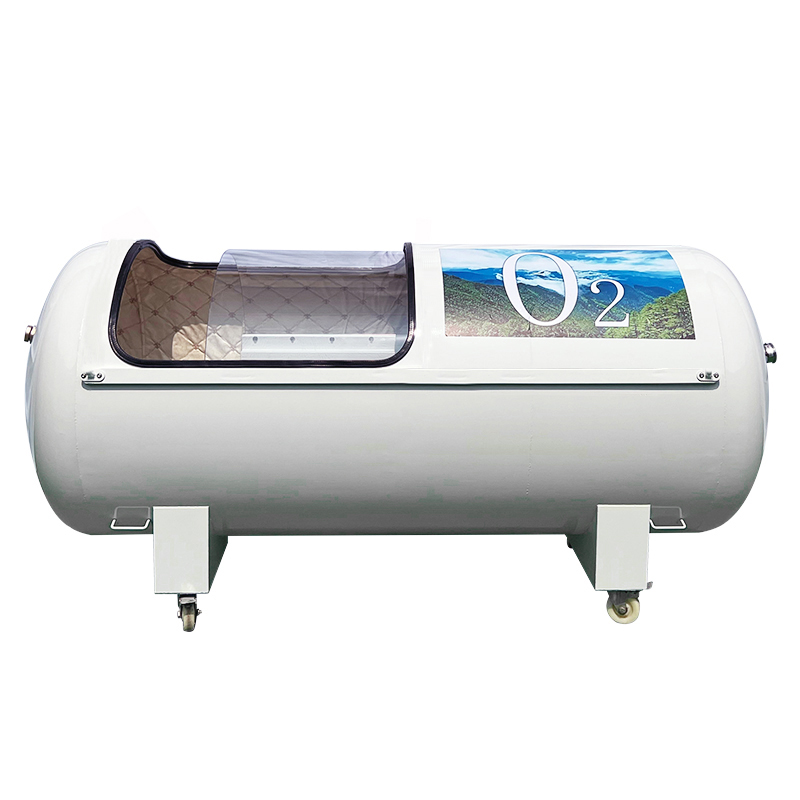
Hyperbaric oxygen therapy remains expensive in 2025, and oxygen chambers continue to require significant capital investment. Facilities must account for chamber hardware, installation, safety systems, staffing, and ongoing maintenance. It limits access for smaller clinics and rural providers, even when patient demand exists. However, cost-reduction trends gain momentum. Modular chamber designs reduce build time and space requirements, while portable systems lower entry costs. They also support flexible deployment across clinics, rehabilitation centers, and supervised home care, improving accessibility without sacrificing safety.
Reimbursement remains uneven, and coverage depends heavily on clinical indication and region. Insurers more commonly approve HBOT for chronic wounds, radiation injuries, and decompression sickness, since evidence remains strong. Coverage for neurological recovery, wellness, and preventive use remains limited, which slows adoption. In 2025, new clinical trials and real-world outcome data influence payer decisions. It gives insurers clearer cost-benefit insights, especially when HBOT reduces hospital stays or surgical interventions. Providers increasingly align documentation and protocols to reimbursement criteria, improving approval rates.
Regulatory oversight tightens as HBOT adoption expands beyond hospitals. Authorities respond to recent safety incidents by strengthening inspection requirements and operational standards. Providers must implement updated fire suppression systems, emergency decompression protocols, and continuous monitoring tools. Accreditation bodies emphasize staff training, chamber maintenance, and patient screening. They expect facilities to document compliance clearly and consistently. For many providers, meeting these standards requires operational changes, but it also builds trust among patients and regulators, supporting long-term market stability.
Investment activity influences how regulatory and cost challenges evolve. Venture capital flows toward portable and AI-powered oxygen chambers, since they promise lower costs and better safety control. Startups design systems around compliance from the start, integrating automated monitoring and digital reporting. They challenge traditional manufacturers by accelerating innovation cycles and offering subscription-based service models. Established companies respond through partnerships, acquisitions, or in-house development. This competition drives more efficient designs and pushes the market toward standardized, regulator-friendly solutions.
Beyond 2025, hyperbaric oxygen therapy moves toward fully personalized treatment planning. Clinicians increasingly combine genetic markers, metabolic profiles, and real-time patient responses to shape HBOT protocols. Oxygen chambers adjust pressure, oxygen concentration, and session length based on how each person reacts, rather than fixed schedules. It improves safety and effectiveness, especially for patients managing chronic wounds, neurological recovery, or long-term rehabilitation. As data systems mature, they support adaptive therapy plans that evolve over weeks, not months, keeping treatment aligned with changing patient needs.
Hybrid care models become more common as healthcare systems balance efficiency and accessibility. Patients often begin HBOT inside hospital-grade oxygen chambers, then transition to supervised home systems once stability improves. These seamless transitions rely on compatible technology, shared data platforms, and standardized protocols. Providers monitor progress remotely, while patients benefit from reduced travel and greater schedule flexibility. It supports continuity of care, especially for older adults and those requiring frequent sessions. Hybrid models also reduce system strain, freeing hospital resources for acute cases.
Hyperbaric oxygen therapy continues its shift from niche intervention to mainstream adjunct therapy. Clinicians integrate it alongside surgery, physical therapy, wound management, and oncology care. Oxygen chambers support healing processes rather than replace primary treatments. As evidence grows, more care pathways include HBOT earlier, not only after complications appear. This integration improves outcomes and reduces recovery time. Healthcare teams increasingly view oxygen therapy as a supportive tool, similar to imaging or rehabilitation, rather than a specialized add-on.
Future Direction | Key Change | Impact on Care |
Personalized Protocols | Data-driven customization | Better outcomes, fewer side effects |
Hybrid Care Models | Clinic-to-home transitions | Greater access, improved continuity |
Mainstream Integration | Adjunct therapy adoption | Faster recovery, broader use |
Digital Connectivity | Shared monitoring systems | Safer, more responsive treatment |
As oxygen chambers evolve, they align more closely with modern healthcare priorities. Personalization, flexibility, and integration shape their role beyond 2025, influencing how providers deliver care and how patients experience therapy.
In 2025, hyperbaric oxygen therapy evolves through smarter oxygen chambers, broader clinical use, and wellness adoption. Innovation drives personalization, safety, and access, shaping HBOT's future across care settings.
Clinicians, investors, and patients prepare by embracing flexible technology and data-driven care. Companies like Fugui add value through reliable equipment and professional services, supporting efficient operations and long-term healthcare development.
A: Oxygen chambers focus on personalization, smarter monitoring, and expanded clinical and wellness use.
A: Oxygen chambers support recovery, chronic care, and wellness through flexible clinic and home models.
A: Oxygen chambers integrate better data, safety systems, and wider acceptance in standard care plans.
A: Prices vary by size, pressure level, and features, especially for home-use oxygen chambers.
A: Users should stop sessions and follow manufacturer guidelines for safe oxygen chamber operation.


