Fugui Oxygen Chamber Technology (Zhongshan) Co., LTD

- All
- Product Name
- Product Keyword
- Product Model
- Product Summary
- Product Description
- Multi Field Search
English
Views: 0 Author: Site Editor Publish Time: 2026-06-12 Origin: Site


Did you know oxygen therapy can save lives? Medical hyperbaric oxygen chambers deliver high-pressure pure oxygen to heal serious conditions.
In this post, you’ll learn what sets medical chambers apart from wellness oxygen chambers. We’ll explore their uses, benefits, and key differences.
Medical hyperbaric oxygen chambers are specialized, hospital-grade devices designed to deliver oxygen therapy under controlled, high-pressure conditions. They play a crucial role in treating serious medical conditions by increasing oxygen levels in the body far beyond what normal breathing can achieve.
Medical chambers operate at pressures between 2.0 and 3.0 atmospheres absolute (ATA). This elevated pressure is essential because it allows oxygen to dissolve more effectively into the blood plasma, reaching tissues starved of oxygen. Patients breathe 100% oxygen during treatment, which differs greatly from wellness chambers that use lower oxygen concentrations.
For example, a common treatment pressure is around 2.4 ATA, a setting widely used in accredited facilities worldwide. This high concentration and pressure combination enhances healing by promoting tissue repair and fighting infections.
These chambers are robust, rigid structures built to strict safety and medical standards. Many hospitals use multi-place chambers, which can accommodate multiple patients simultaneously. Inside, patients breathe oxygen through masks or hoods while the chamber maintains the precise pressure.
Multi-place chambers require sophisticated control systems and safety features to monitor oxygen levels, pressure, and patient well-being. They often include communication systems so medical staff can interact with patients during therapy.
Medical hyperbaric oxygen therapy (HBOT) is always administered under strict medical supervision. A team of doctors, nurses, and trained chamber operators oversee the entire process. Before treatment begins, a thorough medical assessment determines if HBOT is appropriate.
During therapy, patients follow specific protocols, including scheduled oxygen breaks to prevent oxygen toxicity. Treatment plans are tailored to individual needs and conditions, such as non-healing wounds, radiation injuries, or decompression sickness. Continuous monitoring ensures patient safety and treatment effectiveness.
Note: Medical hyperbaric oxygen chambers require professional operation and supervision due to the high oxygen levels and pressures involved, ensuring safe and effective treatment for approved medical conditions.

Wellness oxygen chambers, often called mild hyperbaric chambers, are designed mainly for general health and well-being rather than treating specific medical conditions. You'll find these chambers in gyms, spas, wellness centres, and sometimes for home use. They provide mild hyperbaric oxygen therapy (mHBOT), which is less intense than medical HBOT.
People use wellness chambers for purposes like boosting energy, improving mental clarity, aiding workout recovery, and promoting anti-aging effects. They aim to support overall vitality and recovery rather than address serious health issues.
The key difference between wellness chambers and medical hyperbaric chambers lies in pressure and oxygen concentration. Wellness chambers typically operate at a mild pressure of about 1.3 to 1.5 atmospheres absolute (ATA). In contrast, medical chambers work at much higher pressures, usually between 2.0 and 3.0 ATA.
Moreover, wellness chambers usually provide air or oxygen-enriched air at around 90–97% oxygen concentration, but not pure 100% oxygen. Medical chambers deliver 100% oxygen, which significantly increases oxygen dissolved in the blood plasma, enabling deeper tissue healing.
Because wellness chambers operate at lower pressure and oxygen levels, they cannot replicate the therapeutic effects of medical-grade hyperbaric oxygen therapy. The oxygen saturation achieved in wellness chambers is less potent and thus not suited for treating serious medical conditions.
Wellness chambers are widely available in non-medical settings. You’ll often see them in:
Fitness centres
Spas
Wellness clinics
Some retail wellness outlets
These chambers are usually supervised by non-medical staff, such as fitness trainers or spa personnel. Unlike medical HBOT, there is no requirement for a doctor’s prescription or continuous medical oversight.
Because wellness chambers do not treat approved medical conditions, they are not regulated as medical devices and do not qualify for insurance or Medicare coverage. Users seeking wellness benefits can access these chambers easily, but should understand their limitations.
Note: Wellness oxygen chambers offer mild pressure and oxygen enrichment ideal for general wellness, but they lack the medical supervision, pressure, and pure oxygen delivery required to treat serious health conditions effectively.
Medical hyperbaric oxygen chambers operate at significantly higher pressures than wellness chambers. They typically run between 2.0 and 3.0 atmospheres absolute (ATA), often around 2.4 ATA. This high pressure increases oxygen dissolved in the blood plasma, allowing oxygen to reach damaged tissues more effectively.
In contrast, wellness oxygen chambers, also called mild hyperbaric chambers, operate at much lower pressures—usually between 1.3 and 1.5 ATA. They provide air or oxygen-enriched air at about 90–97% oxygen concentration, but not 100% pure oxygen like medical chambers. This lower pressure and oxygen level means wellness chambers cannot achieve the same therapeutic oxygen saturation needed for healing serious conditions.
Medical hyperbaric chambers are classified as medical devices and must meet strict regulatory standards. They require certification, regular maintenance, and adherence to safety protocols. Treatment occurs in accredited medical facilities under hospital-grade conditions.
Wellness chambers are generally not regulated as medical devices. They are often found in gyms, spas, or wellness centers and do not require the same rigorous safety or operational standards. Because they operate at lower pressures and oxygen levels, the risk of oxygen toxicity or other complications is reduced, but they lack the strict oversight found in medical settings.
Medical hyperbaric oxygen therapy (HBOT) requires a prescription and is administered under medical supervision. Doctors assess patients, create tailored treatment plans, and monitor sessions closely to ensure safety and effectiveness. This supervision is critical because high oxygen levels and pressures can cause complications if not properly managed.
Wellness chambers are usually supervised by non-medical staff such as fitness trainers or spa personnel. Users do not need a prescription, and sessions are not medically tailored or monitored. Wellness chambers are intended for general health and recovery, not for treating diagnosed medical conditions.
Medical HBOT is often covered by insurance or Medicare when used for approved medical conditions like decompression sickness, non-healing wounds, or radiation injuries. Coverage depends on the condition treated and local regulations.
Wellness oxygen chamber sessions are not covered by insurance or Medicare because they are not recognized as medical treatments. Users pay out-of-pocket for wellness benefits, which are not clinically proven to treat medical diseases.
Note: When choosing hyperbaric therapy, understand that medical chambers deliver higher pressure and pure oxygen under strict medical oversight, while wellness chambers provide milder oxygen enrichment without medical supervision or insurance coverage.
Medical hyperbaric oxygen therapy (HBOT) is a proven treatment for several serious health conditions. It is prescribed for issues where tissues suffer from low oxygen levels and need enhanced oxygen to heal. Some approved conditions include:
Non-healing wounds: Such as diabetic foot ulcers or chronic skin ulcers that do not respond to standard care. HBOT helps promote tissue repair and prevents amputation.
Radiation injury: Damage caused by radiation therapy, especially in cancer patients, can lead to tissue breakdown. HBOT encourages regeneration and reduces inflammation.
Decompression sickness: Commonly known as "the bends," this condition affects divers who ascend too quickly. HBOT helps dissolve nitrogen bubbles trapped in blood vessels.
Carbon monoxide poisoning: HBOT rapidly removes carbon monoxide from the blood, restoring oxygen delivery to vital organs.
Severe infections: Including necrotizing fasciitis and certain bone infections (osteomyelitis), where increased oxygen supports immune response and antibiotic effectiveness.
Medical HBOT is also used for other conditions like crush injuries, burns, and some types of brain injury, depending on clinical evidence and guidelines.
Under normal breathing, oxygen dissolves mainly in red blood cells. Medical HBOT increases atmospheric pressure inside the chamber, allowing oxygen to dissolve directly into plasma. This means oxygen reaches deeper tissues even where blood flow is poor.
The extra oxygen helps by:
Stimulating new blood vessel growth (angiogenesis)
Enhancing white blood cell function to fight infection
Reducing swelling and inflammation
Supporting collagen formation for wound healing
Promoting stem cell mobilization and tissue regeneration
This oxygen boost accelerates recovery in damaged or infected tissues, improving outcomes where standard treatments struggle.
Non-Healing Wounds: Diabetic foot ulcers often resist healing due to poor circulation. HBOT increases oxygen supply, helping wounds close faster and reducing the risk of serious complications.
Radiation Injury: Patients who have received radiotherapy may develop tissue necrosis or ulcers. HBOT encourages repair by improving oxygen availability and stimulating healing factors.
Decompression Sickness: Divers ascending too fast develop nitrogen bubbles causing joint pain, dizziness, or paralysis. HBOT recompresses the body and flushes out these bubbles, preventing permanent damage.
These examples illustrate how medical HBOT targets conditions where oxygen deficiency impairs healing. It is a critical tool in modern medicine, used only under professional supervision and strict protocols to ensure safety and effectiveness.
Tip: For healthcare providers, always confirm that patients meet approved HBOT criteria and monitor closely during therapy to maximize healing benefits and minimize risks.
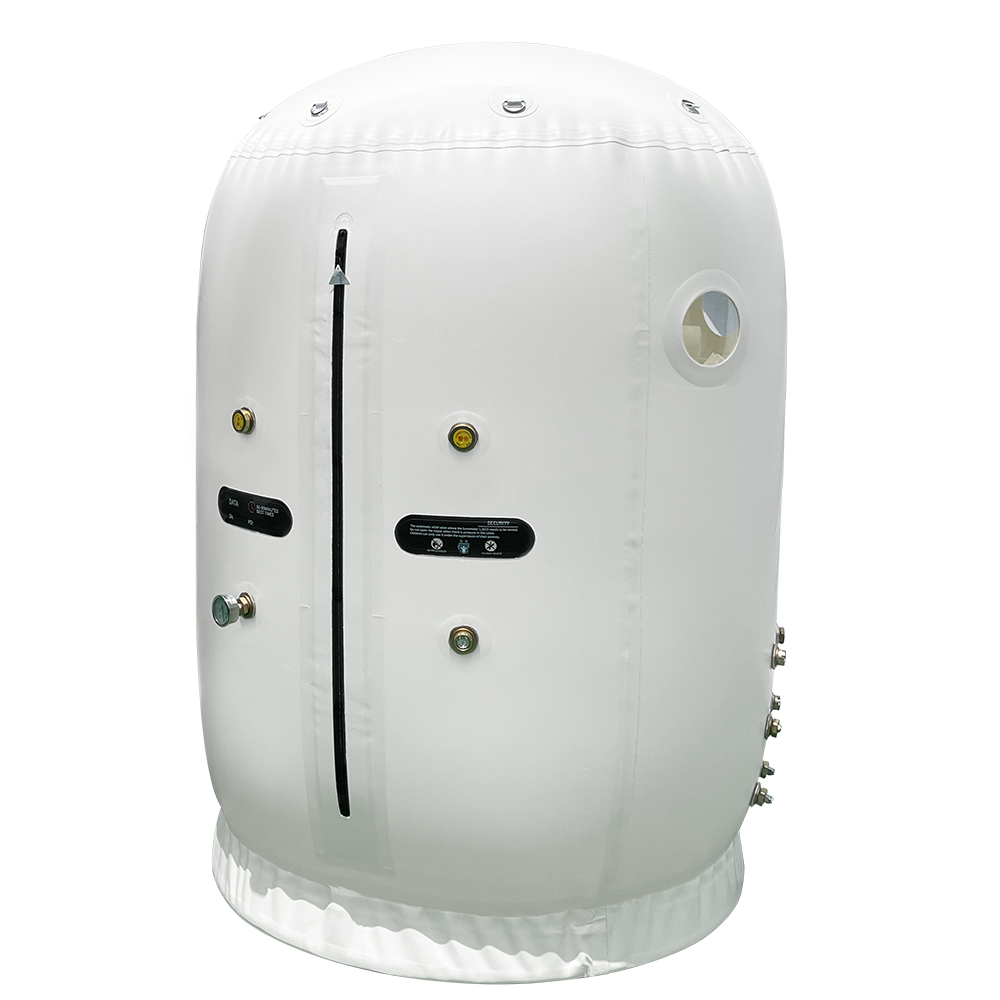
Wellness oxygen chambers, often called mild hyperbaric chambers, are designed mainly for general health and recovery rather than treating medical conditions. People use them to boost overall vitality, support mental clarity, and speed up post-exercise recovery. These chambers typically operate at lower pressures (around 1.3 to 1.5 ATA) and deliver air or oxygen-enriched air, not pure oxygen.
Because they don’t require a doctor’s prescription or medical supervision, wellness chambers are accessible at gyms, spas, and wellness centers. They offer a convenient way to enjoy some benefits of mild hyperbaric oxygen therapy without the intensity or complexity of medical-grade treatments.
Users often report several wellness benefits from mild hyperbaric sessions, including:
Anti-aging effects: Increased oxygen may support skin health and reduce signs of aging by promoting better circulation and cellular function.
Mental clarity and focus: Enhanced oxygenation can boost brain function, improving concentration and reducing mental fatigue.
Workout recovery: Mild hyperbaric therapy may help reduce muscle soreness and inflammation, speeding recovery after exercise.
Energy enhancement: Some users feel more energized and less stressed after sessions.
These benefits appeal to people seeking to maintain or improve their general well-being. The therapy is non-invasive, low-risk, and easy to fit into a regular wellness routine.
Despite these benefits, wellness oxygen chambers have important limitations:
Lower oxygen pressure and concentration: They operate at milder pressures and often do not deliver 100% oxygen. This means oxygen saturation in the blood is increased only slightly compared to medical chambers.
Not suitable for medical conditions: Wellness chambers cannot replicate the therapeutic environment needed to treat serious health issues like non-healing wounds or decompression sickness.
Lack of medical supervision: Without a doctor’s oversight, these chambers are not appropriate for diagnosing or managing medical problems.
No insurance coverage: Treatments are not reimbursed by Medicare or insurance because they are not recognized as medical therapies.
In summary, wellness oxygen chambers serve as a convenient option for general health support but lack the power and regulation needed for clinical treatment.
Note: Wellness oxygen chambers offer mild oxygen enrichment ideal for recovery and vitality but cannot replace medical hyperbaric therapy for treating serious health conditions.
Portable hyperbaric oxygen chambers are often soft-shell, inflatable units designed for personal or home use. Unlike the rigid, hospital-grade chambers, these are lightweight, compact, and easy to set up. They usually resemble large inflatable bags or tents that a user can enter and seal around their neck or waist.
These chambers are marketed for wellness, recovery, or general oxygenation purposes. They are popular among athletes, wellness enthusiasts, and people seeking convenient hyperbaric sessions without visiting a medical facility. However, their design prioritizes portability and ease over clinical performance.
Portable chambers typically operate at mild pressures between 1.3 and 1.5 atmospheres absolute (ATA). This is similar to wellness hyperbaric chambers and significantly lower than medical-grade chambers, which operate around 2.0 to 3.0 ATA.
Oxygen delivery in portable chambers usually involves breathing air with slightly increased oxygen levels, often supplied by an oxygen concentrator. They rarely provide 100% pure oxygen. Instead, oxygen concentration may range from ambient air (21%) up to about 90%, depending on the device and setup.
Because of the lower pressure and oxygen concentration, these chambers increase oxygen saturation in blood only modestly. They do not create the high-oxygen environment needed to treat serious medical conditions effectively.
Portable hyperbaric chambers are generally considered safe for healthy individuals using them for wellness or recovery. Their mild pressure reduces risks like oxygen toxicity or barotrauma.
However, these chambers lack the rigorous safety features of hospital-grade units. They are not designed for medical treatment and are not supervised by healthcare professionals during use. This means they are unsuitable for treating approved medical conditions such as decompression sickness, non-healing wounds, or radiation injuries.
Users with medical conditions should avoid relying on portable chambers for treatment. Instead, they should seek medical hyperbaric oxygen therapy under professional supervision in accredited facilities.
Note: Portable soft-shell hyperbaric chambers offer convenient mild oxygen therapy but lack the pressure, oxygen purity, and medical oversight required for clinical treatment of serious health conditions.
Choosing the right hyperbaric oxygen chamber depends mainly on your purpose. If you have a diagnosed medical condition needing treatment, medical-grade hyperbaric oxygen therapy (HBOT) is the clear choice. It offers high pressure (2.0–3.0 ATA) and 100% oxygen under strict medical supervision. This combination is critical for healing serious conditions like non-healing wounds or decompression sickness.
On the other hand, if your goal is general wellness, improved recovery, or mental clarity, wellness oxygen chambers may suffice. These operate at lower pressures (1.3–1.5 ATA) and deliver air or oxygen-enriched air but not pure oxygen. They support vitality and recovery but do not treat medical diseases.
Medical HBOT requires a thorough assessment by a healthcare professional. A doctor evaluates your condition, prescribes the therapy, and monitors sessions to ensure safety. This supervision is vital because high oxygen levels and pressure can cause side effects if not managed properly.
Wellness chambers don’t require medical prescriptions or supervision. While this makes them more accessible, it also means users must understand these chambers are not substitutes for clinical treatment. If you experience symptoms of a serious condition, seek professional advice rather than relying on wellness chambers alone.
Medical hyperbaric chambers are expensive to build and operate, often housed in hospitals or accredited clinics. Treatments cost more but are usually covered by insurance or Medicare for approved conditions. Accessibility may be limited to those near specialized centers.
Wellness chambers are more affordable and widely available in gyms, spas, or for home use. They offer convenient sessions without the need for prescriptions but lack insurance coverage and clinical effectiveness for medical conditions.
Treatment effectiveness varies greatly:
Aspect | Medical HBOT | Wellness Oxygen Chambers |
|---|---|---|
Pressure | 2.0–3.0 ATA | 1.3–1.5 ATA |
Oxygen Concentration | 100% oxygen | Air or 90–97% oxygen |
Supervision | Medical professional oversight | Non-medical staff or self-use |
Medical Treatment | Approved for specific diseases | Not suitable for medical treatment |
Insurance Coverage | Often covered | Not covered |
Accessibility | Limited to medical facilities | Widely available |
Cost | Higher | Lower |
Choosing between these chambers means weighing your health needs, budget, and convenience. Medical HBOT delivers proven healing benefits for serious conditions but requires medical oversight and higher costs. Wellness chambers support general well-being affordably but don’t replace medical therapy.
Tip: Always consult a healthcare professional before starting hyperbaric oxygen therapy to ensure you choose the appropriate chamber type for your specific health needs and goals.
Medical hyperbaric oxygen chambers provide high-pressure, pure oxygen therapy essential for treating serious health conditions. Wellness chambers offer milder oxygen levels mainly for general wellness and recovery. Medical HBOT requires professional supervision to ensure safety and effectiveness. It is crucial to consult healthcare providers before starting any hyperbaric therapy. ZF Automation Mall offers reliable medical hyperbaric oxygen chambers designed to deliver precise treatment, ensuring quality care and improved patient outcomes. Their products bring valuable support to medical facilities and patients alike.
A: A medical hyperbaric oxygen chamber is a hospital-grade device that delivers 100% oxygen at high pressures (2.0–3.0 ATA) to treat serious medical conditions under professional supervision.
A: Medical chambers operate at higher pressures and 100% oxygen, enabling treatment of medical conditions. Wellness chambers use lower pressure and oxygen levels, mainly for general wellness.
A: High oxygen levels and pressures require monitoring to prevent complications and ensure safe, effective treatment of approved medical conditions.
A: Yes, treatments for approved medical conditions are often covered by insurance or Medicare, unlike wellness chamber sessions.
A: They treat non-healing wounds, radiation injuries, decompression sickness, carbon monoxide poisoning, and severe infections.


