Fugui Oxygen Chamber Technology (Zhongshan) Co., LTD

- All
- Product Name
- Product Keyword
- Product Model
- Product Summary
- Product Description
- Multi Field Search
English
Views: 0 Author: Site Editor Publish Time: 2025-12-23 Origin: Site


Have you ever wondered if breathing pure oxygen could heal your body? Hyperbaric Oxygen Therapy (HBOT) is gaining attention for its potential benefits in treating various health conditions. While it's FDA-approved for some uses, many unproven claims continue to circulate.
In this article, we'll explore the scientific evidence behind HBOT, examining both its approved uses and the conditions where its effectiveness is still debated. You'll learn about the latest research and understand why evidence-based treatments are crucial in healthcare today.
Hyperbaric Oxygen Therapy (HBOT) involves breathing 100% oxygen in a pressurized chamber, where the air pressure is much higher than at sea level. This process allows oxygen to dissolve directly into the blood plasma, bypassing the usual reliance on red blood cells. The increased pressure enables the body to absorb significantly more oxygen than under normal conditions, which promotes healing in damaged tissues and organs.
The FDA has established a strict regulatory framework to ensure HBOT is only used for approved medical conditions. Accredited facilities must adhere to safety protocols to prevent potential complications such as ear pressure, sinus pain, or even fire risks due to the high oxygen levels in the chamber.
The effectiveness of HBOT lies in its ability to enhance oxygen absorption. Under normal atmospheric pressure, oxygen is primarily carried by hemoglobin in the blood. However, within the hyperbaric chamber, increased pressure allows oxygen to dissolve directly into the blood plasma. This process delivers oxygen to tissues that might otherwise be oxygen-deprived due to injury, disease, or poor circulation.
Increased oxygen levels offer several benefits for the body:
● Stimulating New Blood Vessel Formation: In areas with poor circulation, HBOT promotes the growth of new blood vessels, enhancing healing rates.
● Supporting Tissue Repair: Oxygen aids in the function of cells responsible for tissue repair and infection-fighting, speeding up recovery from injuries and surgeries.
● Reducing Inflammation and Fighting Bacteria: The elevated pressure enhances the body’s ability to reduce inflammation and combat infections, making it especially effective for wound healing.
By understanding the science behind HBOT, it becomes evident how this therapy can support the body in ways that traditional treatments may not be able to achieve.
Hyperbaric Oxygen Therapy (HBOT) is FDA-approved for treating a variety of medical conditions, with its most established uses being in the treatment of chronic wounds, burns, and radiation injuries.
● Chronic Wounds: Conditions like diabetic foot ulcers can result in non-healing wounds. HBOT accelerates tissue regeneration by improving oxygen delivery, promoting faster healing, and reducing the risk of infection.
● Burns: Severe burns can benefit from HBOT as it helps reduce swelling and facilitates faster skin regeneration.
● Radiation Injuries: In patients who have undergone radiation therapy for cancer, HBOT assists in repairing tissues damaged by radiation, preventing further complications and enhancing recovery.
Studies consistently demonstrate that increasing oxygen levels aids in speeding up recovery, especially for patients with compromised circulation or weakened immune systems. This makes HBOT a valuable tool in treating difficult-to-heal wounds and preventing infections.
In clinical settings, HBOT has become an integral part of treatment protocols for various conditions. It is commonly used in burn centers and wound care facilities, where patients undergo multiple HBOT sessions. Each session typically lasts 90 minutes, during which patients breathe in 100% oxygen in a pressurized chamber.
● Hospitals and Wound Care: Many hospitals are now equipped with HBOT chambers to treat patients with serious injuries or chronic wounds. In burn units, HBOT is part of the standard treatment plan to reduce edema and support tissue recovery.
● Clinical Treatment Plans: For patients undergoing radiation therapy or dealing with chronic wounds, HBOT is often included in treatment regimens to assist in tissue regeneration and minimize complications. It serves as an adjunct therapy to enhance the effectiveness of traditional medical treatments.
A wealth of clinical trials and peer-reviewed studies has evaluated the efficacy of HBOT for FDA-approved conditions. Research consistently supports its effectiveness in promoting wound healing and accelerating recovery from burns and radiation injuries. These studies have shown that HBOT plays a crucial role in improving patient outcomes, particularly for those with compromised tissue oxygenation.
While Hyperbaric Oxygen Therapy (HBOT) has proven benefits for some conditions, it is often promoted as a cure for a range of other disorders without sufficient scientific support. Conditions like autism, Alzheimer's disease, and Lyme disease are frequently cited by non-regulated HBOT providers, but no solid evidence backs these claims.
● Autism: Despite some anecdotal reports, no clinical trials have shown conclusive benefits for autism. The FDA has not approved HBOT for this use, and scientific consensus remains skeptical.
● Alzheimer’s Disease: HBOT proponents claim it can improve cognitive function in Alzheimer's patients. However, research has been inconsistent, and there is no FDA approval for this application.
● Lyme Disease: Some believe HBOT can help treat Lyme disease by enhancing oxygen levels in tissues. However, studies have not provided reliable evidence to confirm this.
The FDA maintains a cautious stance on these unproven uses, urging patients and practitioners to seek scientifically validated treatments.
Many of the studies promoting HBOT for unapproved conditions suffer from critical limitations. Most research in these areas is based on small sample sizes, often involving fewer than 30 participants. In addition, the results are inconsistent, making it difficult to determine whether HBOT had any real effect or if improvements were due to other factors.
● Small Sample Sizes: Many studies have failed to include a large enough group of participants to provide statistically significant data.
● Inconsistent Results: Even when positive results are reported, they are often not replicated in larger or more rigorous studies.
These limitations make it clear that more research is needed before any claims about HBOT's effectiveness for these conditions can be considered scientifically credible.
While HBOT is generally safe when used for FDA-approved conditions, using it for unproven applications can be risky. Potential health risks include:
● Fire Hazards: High oxygen concentrations increase the risk of fire, especially in non-regulated facilities that lack safety measures.
● Ear Pressure and Vision Changes: Increased pressure during HBOT sessions can cause discomfort in the ears or temporary vision issues, especially if not properly managed.
● Lung Injury: Prolonged exposure to high oxygen levels can potentially lead to lung damage in some cases.
Non-regulated HBOT devices, such as those found in wellness centers, often lack the oversight required to ensure safety. Without FDA regulation, these devices may be unsafe and ineffective, posing significant health risks to users.
In this context, the FDA plays a critical role in ensuring the safety and efficacy of HBOT devices. Accredited facilities must meet strict standards to provide safe treatment, ensuring that patients are not exposed to unnecessary risks.
Condition | FDA Approval Status | Scientific Consensus |
Autism | Not FDA-approved | Inconclusive evidence |
Alzheimer’s Disease | Not FDA-approved | No proven benefit |
Lyme Disease | Not FDA-approved | Insufficient evidence |
Tip: Always consult with a medical professional before considering HBOT for unapproved conditions, and ensure treatments are performed in accredited, regulated facilities.
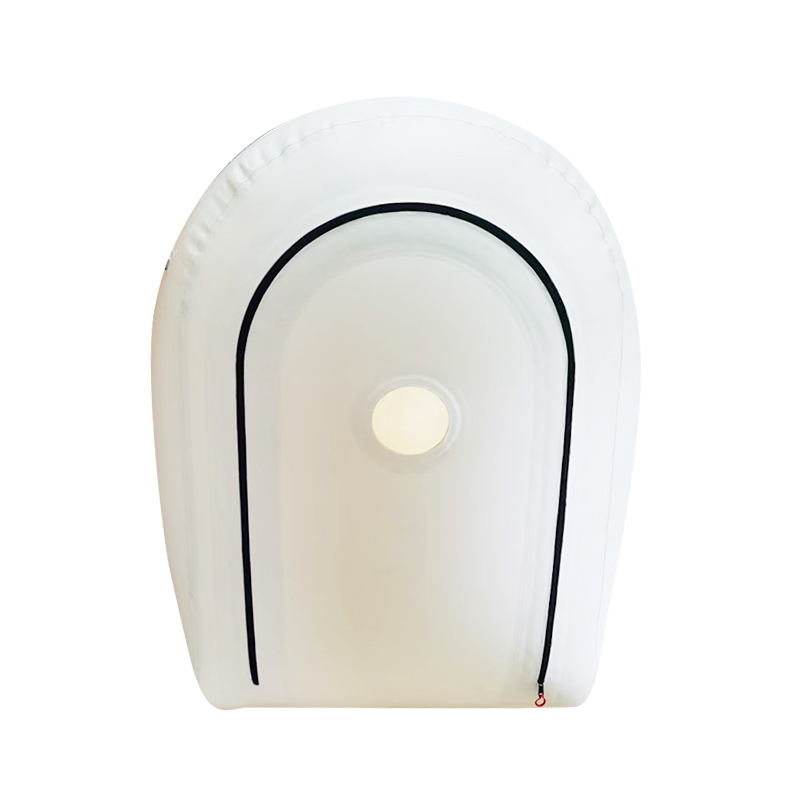
While Hyperbaric Oxygen Therapy (HBOT) can be highly effective for certain FDA-approved conditions, its costs may limit access for many patients. Treatment in medical facilities typically costs between $200 to $350 per session, depending on the location and the condition being treated. In some specialized settings, such as burn units or wound care centers, the cost may be higher due to the additional care required.
For patients seeking treatment in wellness centers or spas, prices can vary significantly, with some facilities charging as much as $400 per session. These non-medical centers may not be regulated by the same safety standards as accredited hospitals, which adds a layer of risk.
When compared to other treatment options for unapproved conditions, such as autism or Alzheimer’s, HBOT becomes even more costly. Other therapies, like speech therapy or applied behavior analysis (ABA) for autism, may be more affordable and supported by stronger scientific evidence. For instance, ABA therapy typically costs around $50 to $200 per session, which is lower than HBOT in most cases.
Treatment Option | Cost Range per Session | Scientific Backing |
HBOT in Medical Facilities | $200 - $350 | Proven for FDA-approved conditions |
HBOT in Wellness Centers | $250 - $400 | Lacks evidence for unapproved conditions |
Applied Behavior Analysis (ABA) | $50 - $200 | Strong evidence for autism |
Another consideration is the time commitment required for HBOT. Each session typically lasts 90 minutes to two hours, and patients may need multiple sessions, sometimes daily, for several weeks. This can be a significant time burden, particularly for individuals with busy schedules or those who live far from HBOT treatment centers. Patients in rural or underserved areas may find it difficult to access these services due to limited availability of accredited facilities.
Moreover, the treatment schedule can also be an issue for many patients. Because HBOT requires repeated visits, patients may struggle to fit this into their daily routines, especially if they are already juggling other treatments or commitments.
For conditions that HBOT has not been proven to treat, there are other therapies with stronger evidence of efficacy. For example, in the case of autism, Applied Behavior Analysis (ABA) therapy remains one of the most researched and effective approaches. Similarly, speech therapy is a well-established treatment for speech and communication difficulties, particularly for conditions like autism or cognitive delays. These therapies are typically more affordable and accessible compared to HBOT.
Condition | Recommended Treatment | Cost Range | Scientific Backing |
Autism | ABA Therapy | $50 - $200 | Strong evidence |
Speech/Language Delay | Speech Therapy | $40 - $150 | Strong evidence |
Chronic Wounds | Wound Care Management | Varies | Proven for diabetic ulcers, burns |
It is crucial for patients to prioritize evidence-based treatments for unapproved conditions rather than opting for unproven therapies like HBOT. While HBOT may be marketed as a cure for a variety of ailments, it lacks the necessary scientific validation for these uses. Relying on FDA-approved treatments ensures better outcomes and helps avoid unnecessary financial and time investments in therapies that may not deliver results.
Hyperbaric Oxygen Therapy (HBOT) has proven effective for several FDA-approved conditions, such as chronic wounds, burns, and radiation injuries. However, its use for unapproved conditions like autism and Alzheimer’s remains unsupported by solid scientific evidence. While HBOT shows promise in specific areas, consumers and medical professionals should approach unproven applications with caution. Companies like Fugui offer reliable, evidence-backed products, ensuring patients receive effective treatment under safe conditions. Fugui provides solutions that enhance patient care, making it a valuable choice for healthcare providers.
A: Hyperbaric Oxygen Therapy (HBOT) involves breathing 100% oxygen in pressurized chambers, allowing the body to absorb more oxygen, promoting tissue healing and recovery.
A: Oxygen chambers increase oxygen delivery to tissues, which helps stimulate blood vessel growth and accelerates healing for chronic wounds, like diabetic foot ulcers.
A: Yes, oxygen chambers help reduce swelling and promote faster skin regeneration in burn patients by enhancing oxygen supply to damaged tissues.
A: FDA-approved conditions include chronic wounds, burns, radiation injuries, and decompression sickness, with scientific evidence supporting their effectiveness.
A: The cost of HBOT in medical facilities typically ranges from $200 to $350 per session, depending on the condition being treated and the facility.
A: Currently, there is insufficient scientific evidence to support the use of oxygen chambers for treating conditions like autism or Alzheimer’s disease.
A: Accredited facilities ensure that the oxygen chambers are properly regulated, minimizing risks such as fire hazards or ear pressure during treatment.


