Fugui Oxygen Chamber Technology (Zhongshan) Co., LTD

- All
- Product Name
- Product Keyword
- Product Model
- Product Summary
- Product Description
- Multi Field Search
English
Views: 0 Author: Site Editor Publish Time: 2026-06-12 Origin: Site


Did you know hyperbaric oxygen therapy (HBOT) can boost healing and wellness? Choosing between soft vs hard hyperbaric chamber is crucial. These chambers differ in design, pressure, and safety. In this post, you’ll learn the key differences to make the best buying decision.
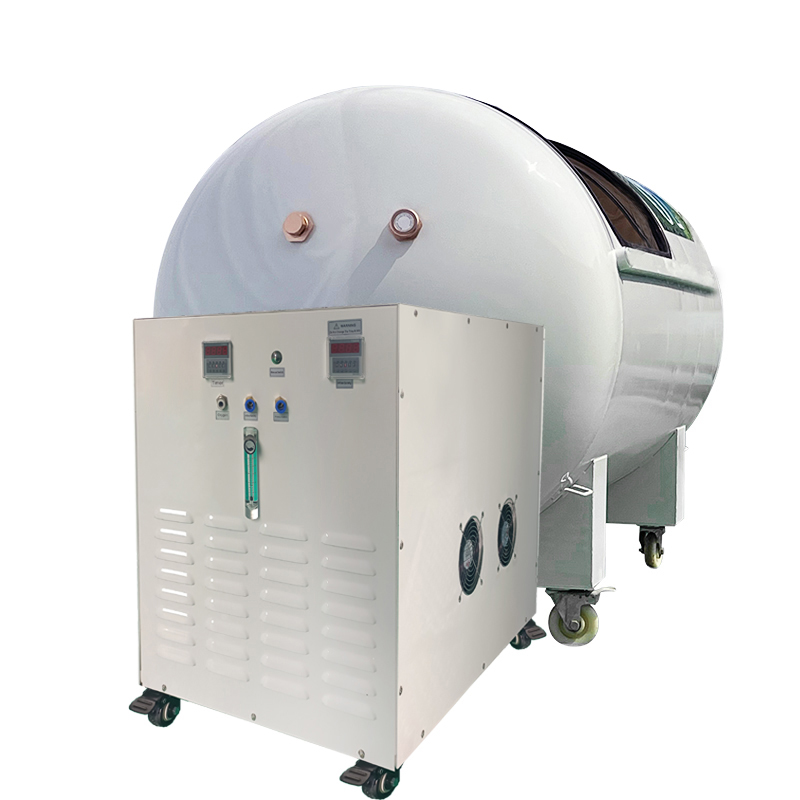
When choosing a hyperbaric oxygen chamber, understanding the construction and materials is key. They directly affect durability, safety, and overall user experience.
Hard chambers are built like pressure vessels. They use aviation-grade steel or thick acrylic for their walls. Steel offers incredible strength and resists deformation under pressure. Acrylic provides a clear view inside while maintaining structural integrity. These materials are welded or molded to form a rigid, sealed shell. This design keeps the chamber’s shape stable, even at high pressures up to 6.0 ATA in clinical models.
Soft chambers rely on flexible materials like polyurethane-coated nylon or heavy-duty fabric. The chamber inflates like a balloon when pressurized air fills it. The fabric walls stretch and expand, which limits maximum pressure to about 1.3 ATA. The polyurethane coating helps resist moisture and minor abrasions but can’t match steel’s strength. Zippers and seams are potential weak points over time due to repeated stress.
The rigid construction of hard chambers ensures consistent pressure containment and long-term durability. They can last 15–20 years or more with proper care. The fixed interior space also provides a spacious, stable environment that users find comfortable.
Soft chambers have a shorter lifespan, typically 3–5 years. The flexible fabric can wear out, develop leaks, or weaken at seams. The expanding walls may feel cramped or unstable to some users. Importantly, soft chambers cannot safely handle high oxygen concentrations due to fire risks from static electricity in fabric materials.
In terms of safety, hard chambers excel. Their solid steel or acrylic shells reduce risks of sudden deflation or structural failure. They also incorporate multiple safety features like pressure relief valves and smoke detectors. Soft chambers usually have fewer safety redundancies, relying on a single relief valve and basic monitoring.
Feature | Hard Hyperbaric Chamber | Soft Hyperbaric Chamber |
|---|---|---|
Primary Materials | Aviation-grade steel, acrylic | Polyurethane-coated nylon, fabric |
Structural Integrity | Rigid, fixed shape under pressure | Flexible, expands under pressure |
Maximum Pressure Capacity | Up to 6.0 ATA (clinical models) | About 1.3 ATA |
Durability | 15–20+ years | 3–5 years |
Safety Features | Multiple valves, smoke detection | Basic relief valve |
User Comfort | Spacious, stable interior | Can feel tight, walls flex |
Choosing between these materials means weighing portability and cost against safety and longevity. Hard chambers demand a higher initial investment but offer superior performance and protection. Soft chambers are lighter and more portable but come with trade-offs in pressure limits and durability.
Note: Hard hyperbaric chambers use aviation steel or acrylic for strength and safety, while soft chambers rely on flexible fabric materials that limit pressure and durability.
Understanding pressure and oxygen delivery differences between soft and hard hyperbaric chambers is crucial for buyers. These factors directly affect therapy effectiveness and safety.
Soft chambers typically operate at a maximum pressure around 1.3 ATA (atmospheres absolute). This limit arises from their flexible fabric construction. Inflating beyond this pressure risks material stretching or failure.
Hard chambers, however, maintain rigid structures and can safely operate at pressures from 1.3 ATA up to 6.0 ATA in clinical models. Most home-use hard chambers run between 1.3 and 1.7 ATA, offering significantly higher pressure than soft chambers.
Soft chambers are generally inflated with compressed ambient air, which contains about 21% oxygen. Some users may add an external oxygen concentrator near the breathing mask, slightly raising oxygen concentration to about 30–40%. However, the chamber atmosphere itself remains mostly air.
Hard chambers incorporate integrated oxygen delivery systems that supply 90–100% pure oxygen throughout the chamber. This means every breath inside a hard chamber is highly enriched with oxygen, maximizing therapeutic benefits.
The therapeutic power of HBOT depends on how much oxygen dissolves in the blood plasma. Higher pressure and oxygen concentration increase this dissolved oxygen, enhancing tissue oxygenation.
Soft chambers at 1.3 ATA with ambient air provide a modest boost in dissolved oxygen—roughly 1.5 times normal levels. Adding an oxygen concentrator can raise this to around 2.5–3 times normal.
Hard chambers at 1.5 ATA breathing 90%+ oxygen dramatically increase dissolved oxygen, approximately 10 times normal. Clinical hard chambers at 2.0 ATA with 100% oxygen can reach 20–25 times normal levels.
Henry's Law states that the amount of a gas dissolved in a liquid is proportional to its partial pressure above the liquid. In HBOT:
Increasing chamber pressure raises oxygen's partial pressure in the lungs.
Higher oxygen partial pressure drives more oxygen to dissolve into the blood plasma.
Pure oxygen atmospheres further increase oxygen partial pressure compared to ambient air.
Thus, hard chambers create a much higher partial pressure of oxygen than soft chambers, leading to significantly greater oxygen delivery to tissues.
Feature | Soft Hyperbaric Chamber | Hard Hyperbaric Chamber |
|---|---|---|
Max Operating Pressure | ~1.3 ATA | 1.3–6.0 ATA (model dependent) |
Oxygen Concentration | 21–40% (ambient air + concentrator) | 90–100% (integrated oxygen system) |
Dissolved Oxygen Increase | ~1.5–3× normal | ~10–25× normal |
Physiological Impact | Mild to moderate | Strong, transformative |
In summary, the pressure and oxygen delivery differences between soft and hard chambers are substantial. Hard chambers provide a therapeutic oxygen boost that soft chambers cannot match.
Tip: For effective hyperbaric therapy, prioritize chambers offering higher pressure and oxygen concentration, as these factors multiply therapeutic benefits significantly.
When choosing a hyperbaric oxygen chamber, safety is a top priority. The differences between soft and hard chambers affect structural integrity, fire risks, emergency features, and suitability for various users.
Hard hyperbaric chambers are engineered pressure vessels. Made from aviation-grade steel or thick acrylic, they have fully welded seams and a fixed shape that holds steady under pressure. This design minimizes risks of sudden failure or leaks. Independent testing ensures they meet strict pressure ratings, often up to 6.0 ATA in clinical models.
Soft chambers, however, rely on flexible fabric walls that expand under pressure. Their seams and zippers face constant stress, increasing the chance of wear or rupture over time. Sudden deflation is a real risk if a zipper fails or fabric tears. The flexible structure also means the interior space changes shape, which some users find less stable or secure.
Oxygen enrichment raises fire hazards, so managing oxygen safely is critical. Hard chambers handle high oxygen concentrations (90–100%) inside a metal or acrylic shell. These materials are non-flammable and grounded, reducing static electricity risks. Hard chambers also use fire-rated components and incorporate engineering controls to prevent ignition.
Soft chambers cannot safely contain high oxygen levels. Their fabric materials generate static electricity, which can ignite in oxygen-rich environments above about 23.5% oxygen concentration. Because soft chambers are not grounded metal vessels, pumping pure or near-pure oxygen inside creates a severe fire hazard. For this reason, soft chambers typically use compressed air (about 21% oxygen) or low oxygen blends, limiting therapeutic oxygen levels.
Hard chambers include multiple safety redundancies:
Triple pressure relief valves to prevent overpressure
Smoke and fire detectors inside the chamber
Emergency communication systems (e.g., 4G call buttons)
Backup power supplies for oxygen and control systems
These features provide layers of protection and user reassurance during sessions.
Soft chambers usually have fewer safety systems. Most rely on a single relief valve and basic pressure monitoring. Emergency communication options are limited or nonexistent. This makes supervision more important during soft chamber use.
Hard chambers, with their robust safety features and stable environment, are generally more suitable for children and vulnerable users. The fixed interior space and emergency systems allow safer unsupervised or semi-supervised use.
Soft chambers may pose risks for children due to less structural stability and fewer safety controls. They require careful supervision, especially since sudden deflation or fire hazards could occur.
Safety Aspect | Hard Hyperbaric Chamber | Soft Hyperbaric Chamber |
|---|---|---|
Structural Integrity | Rigid, tested pressure vessel | Flexible fabric, risk of leaks |
Oxygen Safety | Handles 90–100% safely | Limited to low oxygen, fire risk |
Safety Features | Multiple valves, smoke detection, emergency comms | Basic relief valve, limited monitoring |
Suitability for Children | High, safer environment | Lower, requires supervision |
In summary, hard chambers provide a safer, more reliable environment for hyperbaric oxygen therapy. Soft chambers offer portability but come with increased safety risks. Buyers should weigh these factors carefully, especially when considering use by children or unsupervised users.
Tip: Always prioritize chambers with comprehensive safety systems and fire-safe materials, especially if therapy involves children or unsupervised sessions.
When choosing between soft and hard hyperbaric oxygen chambers, hygiene, maintenance, and lifespan are critical factors that impact long-term user satisfaction and cost-effectiveness.
Soft chambers feature fabric interiors made from polyurethane-coated nylon or similar materials. These fabrics are porous and can trap moisture, oils, and sweat from users. Over time, bacteria, mold, and mildew can accumulate, especially around seams and zippers. Cleaning soft chambers thoroughly is challenging because the fabric cannot be wiped down like a hard surface. It often requires specialized cleaning agents and careful drying to avoid damage or odor buildup.
Hard chambers, on the other hand, have smooth, non-porous surfaces made of aviation-grade steel or acrylic. These materials resist moisture and do not harbor bacteria easily. Cleaning involves simple wiping with disinfectants or mild detergents. The acrylic viewports and steel walls dry quickly and resist staining. This makes hard chambers more hygienic and easier to maintain between sessions, especially in clinical or multi-user environments.
Soft chambers demand regular inspection of seams, zippers, and valves for wear or leaks. The fabric's flexibility means it can weaken over time and develop small tears. Users should check for air leaks before each session to ensure safe operation. Compressors and air pumps used with soft chambers also require routine maintenance to prevent contamination and mechanical failure.
Hard chambers require less frequent structural maintenance due to their rigid construction. However, their mechanical and electronic systems—such as oxygen concentrators, pressure relief valves, and control panels—need regular servicing. Proper calibration of pressure gauges and oxygen sensors is vital for safety and effectiveness. Acrylic viewports may require polishing to avoid scratches, but overall, hard chambers are built for long-term durability with routine professional maintenance.
Soft chambers typically last between 3 to 5 years under normal use. Frequent inflation, deflation, and exposure to body oils and cleaning agents accelerate fabric degradation. Replacing a soft chamber every few years adds to the total cost of ownership. While the initial purchase price is lower, these recurring expenses can accumulate significantly over time.
Hard chambers can last 15 to 20 years or more when properly maintained. Their robust materials and construction resist wear and tear. Although the upfront cost is higher, the long lifespan reduces the cost per session over time. For clinics or serious home users, investing in a hard chamber often proves more economical and reliable long-term.
Aspect | Soft Hyperbaric Chamber | Hard Hyperbaric Chamber |
|---|---|---|
Cleaning | Difficult; fabric traps moisture | Easy; smooth, non-porous surfaces |
Maintenance | Frequent checks for leaks, fabric wear | Routine servicing of mechanical parts |
Lifespan | 3–5 years | 15–20+ years |
Long-term Cost | Replacement costs add up | Higher initial cost, lower ongoing |
In summary, hygiene and maintenance favor hard chambers due to their easy-to-clean surfaces and durable construction. Soft chambers require more care and have shorter lifespans, which can increase total costs despite lower initial prices. Buyers should consider how often they plan to use the chamber and their willingness to perform regular upkeep when deciding.
Tip: Choose hard hyperbaric chambers for easier cleaning, longer lifespan, and lower long-term maintenance costs, especially in multi-user or clinical settings.
Portability is the one area where soft hyperbaric chambers clearly lead. Their design and materials make them much easier to move and set up compared to hard chambers. However, this advantage comes with trade-offs in pressure, oxygen delivery, and durability.
Soft chambers weigh between 25 and 50 kilograms, making them light enough for one or two people to carry. They can be deflated, folded, and packed into a travel bag or case. This makes them ideal for users who want to take HBOT on the road, to the office, or even outdoors. Their compact size also means they fit into smaller rooms or apartments without much hassle.
In contrast, hard chambers are heavy, often weighing from 200 to 800 kilograms depending on the model. They require a dedicated space and usually need professional installation. Moving a hard chamber is a major task, often needing multiple people and special equipment.
Hard chambers are rigid pressure vessels made from steel or acrylic. They need a solid floor and enough clearance around them for ventilation and maintenance. Installation can take hours or days and may require electrical upgrades. Once installed, they remain fixed in place.
Soft chambers just need a flat surface and access to an electrical outlet for the compressor. Setup typically takes less than 30 minutes. Users inflate the chamber using an air pump, and it is ready for use. When finished, it can be deflated and stored away, freeing up space.
Soft chambers suit users who prioritize portability and convenience over maximum therapeutic effect. Examples include:
Travelers who want HBOT during trips or vacations
Wellness enthusiasts exploring HBOT benefits without a big investment
Temporary setups for events, pop-up clinics, or short-term recovery periods
Users with limited space who want occasional HBOT sessions
Because soft chambers operate at lower pressures and oxygen levels, they are best for mild wellness applications rather than serious medical therapy.
Hard chambers target users needing consistent, high-quality HBOT. Common scenarios include:
Home users seeking daily or frequent therapy with strong clinical benefits
Medical clinics and rehabilitation centers treating wounds, injuries, or chronic conditions
Spas and wellness centers offering premium HBOT services
Commercial operations requiring durable chambers for multiple users daily
Hard chambers deliver higher pressures and pure oxygen, enabling more effective treatment. Their robust construction supports long-term use and safety in busy environments.
Tip: Choose a soft chamber if portability and occasional use matter most, but opt for a hard chamber when therapy effectiveness and durability are top priorities.
Choosing between soft and hard hyperbaric oxygen chambers often depends on where you live and the environment in which you plan to use the chamber. Regional climate, altitude, and regulatory standards all play a role in determining the best fit.
In North America and Europe, hard hyperbaric chambers dominate medical and commercial markets. These regions have strict safety and quality regulations, such as FDA clearance in the U.S. and CE marking in Europe. Hard chambers meet these standards easily due to their robust construction and integrated safety features.
Soft chambers tend to be more popular in regions where portability and lower upfront costs are priorities. They are often found in wellness centers or home use in places with milder climates and less stringent regulations. However, their limited pressure and oxygen delivery mean they are less favored for serious medical therapy.
Climate affects chamber performance and user comfort. Hard chambers often include integrated climate control systems, such as air conditioning, to maintain a comfortable environment during sessions. This feature is especially important in hot or humid regions like the Middle East or Gulf countries, where ambient temperatures can exceed 40°C (104°F). Soft chambers lack built-in climate control, making them less practical in extreme heat or humidity.
Altitude also matters. At higher elevations, ambient air contains less oxygen, reducing the effectiveness of soft chambers that rely on compressed ambient air. Hard chambers with integrated oxygen generation maintain high oxygen concentration regardless of altitude, ensuring consistent therapy quality. For locations above 3,000 meters (about 10,000 feet), hard chambers are strongly recommended.
Regulatory bodies such as the U.S. Food and Drug Administration (FDA) and the European Conformity (CE) mark set high standards for hyperbaric chambers. Hard chambers commonly achieve these certifications, which require rigorous testing for pressure integrity, oxygen safety, and electrical compliance.
Soft chambers often fall under different regulatory categories, sometimes classified as wellness devices rather than medical equipment. This distinction affects their market acceptance in clinical settings. Buyers seeking chambers for medical use or commercial clinics should prioritize FDA- or CE-approved hard chambers to ensure compliance and insurance coverage.
Regional Factor | Hard Hyperbaric Chamber | Soft Hyperbaric Chamber |
|---|---|---|
Regulatory Approval | Commonly FDA, CE certified | Often no medical certification |
Climate Suitability | Integrated climate control options | Limited; less suitable in extreme climates |
Altitude Performance | Maintains oxygen levels at high altitude | Oxygen delivery reduced at altitude |
Market Preference | Preferred in regulated medical markets | Popular in wellness and portable markets |
In summary, hard chambers fit best in regulated, clinical, or demanding environments. Soft chambers suit milder climates, lower altitudes, and portable wellness uses.
Tip: When selecting a chamber, consider your region’s climate, altitude, and regulatory requirements to ensure safe, effective, and compliant hyperbaric oxygen therapy.
Selecting the right hyperbaric oxygen chamber depends on several key factors. Understanding your needs, environment, and the chamber’s capabilities helps make a confident choice between soft and hard options.
Therapeutic Goals: Are you seeking mild wellness benefits or clinical-grade treatment? Hard chambers deliver higher pressure and oxygen concentrations, essential for serious medical conditions. Soft chambers suit general wellness or occasional use.
Budget: Hard chambers require a larger initial investment but last 15–20 years. Soft chambers cost less upfront but need replacement every 3–5 years. Factor in maintenance and operating costs too.
Space and Installation: Hard chambers need dedicated space and professional setup. Soft chambers are compact, inflatable, and easy to store when not in use.
Safety Requirements: Hard chambers have multiple safety features and are better for unsupervised use or children. Soft chambers have fewer safety redundancies and require close supervision.
Portability Needs: If you travel often or want to move the chamber between locations, soft chambers are more practical. Hard chambers are heavy and mostly stationary.
Regulatory Compliance: For medical or commercial use, FDA or CE-approved hard chambers are necessary. Soft chambers usually lack medical certification.
User Scenario | Recommended Chamber Type | Reason |
|---|---|---|
Home wellness, occasional use | Soft chamber | Portable, affordable, easy setup |
Daily home therapy, clinical use | Hard chamber | Higher pressure, oxygen, safety |
Clinic or spa with multiple users | Hard chamber (dual or larger) | Durability, safety, regulatory compliance |
Travel or temporary setups | Soft chamber | Lightweight, packable |
High-altitude or extreme climate | Hard chamber | Consistent oxygen delivery, climate control |
AURA One: Ideal for home users needing mild to moderate pressure (1.1–1.7 ATA). Spacious interior, touchscreen control.
NEPTUNE Flow: Portable hard chamber for clinics or high-altitude use. Weighs ~200 kg, built for mobility.
LUMINA One: Compact model for beauty salons and wellness centers. Quiet operation, ambient lighting.
TITAN Duo: Designed for clinics needing two-person capacity. Efficient for high throughput.
POLARIS Duo: Commercial-grade for continuous use in hospitals or resorts. Heavy-duty, large interior.
Can soft chambers deliver medical-grade oxygen?
No. Soft chambers can’t safely provide high oxygen concentrations due to fire risks and material limits.
Are hard chambers safe for children?
Yes. Their robust safety systems and stable interiors make them suitable for pediatric use under supervision.
Is portability worth sacrificing pressure and oxygen levels?
For mild wellness or travel, yes. For meaningful therapy, hard chambers are recommended.
How to maintain a hard chamber?
Regular servicing of valves, oxygen systems, and electronics is essential, usually by certified technicians.
What about warranty and support?
Choose manufacturers offering comprehensive warranties and responsive customer support.
Tip: Align your chamber choice with your therapy goals, space, safety needs, and budget to ensure maximum benefit and long-term satisfaction.
Soft and hard hyperbaric chambers differ in materials, pressure capacity, safety, and durability. Soft chambers offer portability and lower costs but limited pressure and oxygen delivery. Hard chambers provide higher therapeutic benefits, enhanced safety, and longer lifespan. Choose soft chambers for travel or mild wellness, and hard chambers for clinical or frequent use. Buyers aiming for effective therapy should prioritize hard chambers for their superior performance and safety features. www.zfautomall.com ZF Automation Mall offers reliable hard hyperbaric chambers that deliver excellent value and support long-term health goals.
A: Soft chambers use flexible fabric and operate around 1.3 ATA with ambient air, while hard chambers have rigid steel or acrylic shells, support up to 6.0 ATA, and deliver nearly 100% oxygen for greater therapeutic effect.
A: Hard chambers offer superior safety, durability, higher pressure, and oxygen delivery, making them ideal for clinical therapy, whereas soft chambers prioritize portability and lower cost but have limited pressure and oxygen levels.
A: Soft chambers require frequent inspection for fabric wear and leaks, while hard chambers need routine servicing of mechanical parts but generally have longer lifespans and easier cleaning.
A: No, soft chambers cannot safely handle high oxygen concentrations due to fire risks and material limitations; only hard chambers provide safe, pure oxygen therapy.
A: Soft hyperbaric chambers are lightweight, inflatable, and portable, making them suitable for travel or small spaces, unlike heavy and stationary hard chambers.


