Fugui Oxygen Chamber Technology (Zhongshan) Co., LTD

- All
- Product Name
- Product Keyword
- Product Model
- Product Summary
- Product Description
- Multi Field Search
English
Views: 0 Author: Site Editor Publish Time: 2026-02-02 Origin: Site


In recent years, Hyperbaric Oxygen Therapy (HBOT) has gained widespread popularity among athletes for its remarkable ability to accelerate recovery. This innovative therapy involves breathing 100% oxygen in a pressurized chamber, delivering critical oxygen to injured tissues and speeding up the healing process. In this article, we will explore the significant role of Hyperbaric Oxygen Chambers in sports medicine. You’ll learn how HBOT helps athletes recover faster, improve performance, and maintain peak physical condition.
Hyperbaric Oxygen Therapy works by exposing the body to 100% oxygen in a pressurized chamber, which increases the amount of oxygen dissolved in the blood plasma. This oxygen-rich blood is then delivered to tissues, including those that have been injured and deprived of oxygen. In sports injuries, such as muscle tears or ligament strains, the high oxygen concentration helps promote tissue repair, stimulate collagen production, and encourage the formation of new blood vessels. This process, known as angiogenesis, is critical for healing tissues that have been damaged due to physical strain. By reducing inflammation and providing tissues with the necessary oxygen, HBOT accelerates the body’s natural healing mechanisms, which can drastically reduce recovery times.
HBOT effectively reduces inflammation and swelling after sports injuries by increasing the oxygen concentration in the bloodstream. The table below illustrates the mechanisms by which HBOT reduces edema and inflammation, helping athletes recover more quickly and alleviate discomfort caused by swelling.
| Therapeutic Mechanism | Parameter | Effect | Technical Specification |
|---|---|---|---|
| Edema Reduction | Increased blood oxygen concentration | Promotes fluid reabsorption back into the bloodstream | Oxygen dissolves 6 times more effectively at 3 ATA pressure |
| Vasoconstriction | Hyperoxic environment | Shrinks blood vessels, reduces local swelling | Increases local oxygen levels to promote edema reduction |
| Enhanced Immune System | Oxygen-rich plasma | Improves immune response, reduces infection risk | Enhances white blood cell activity to fight infections |
Tip: HBOT not only reduces edema but also strengthens the immune system, helping athletes better combat secondary infections caused by injuries.
The core benefit of HBOT lies in its ability to deliver oxygen directly to tissues through the bloodstream. When oxygen levels are elevated, tissues receive more of the vital component they need to repair themselves. This process is crucial for cellular regeneration, particularly in athletes who may experience frequent muscle breakdown during intense physical exertion. HBOT helps stimulate the production of proteins that are essential for tissue repair, such as collagen and elastin, which are vital for restoring the integrity of damaged tissues. This rapid delivery of oxygen allows athletes to recover faster, minimizing the time needed to return to training and competition.
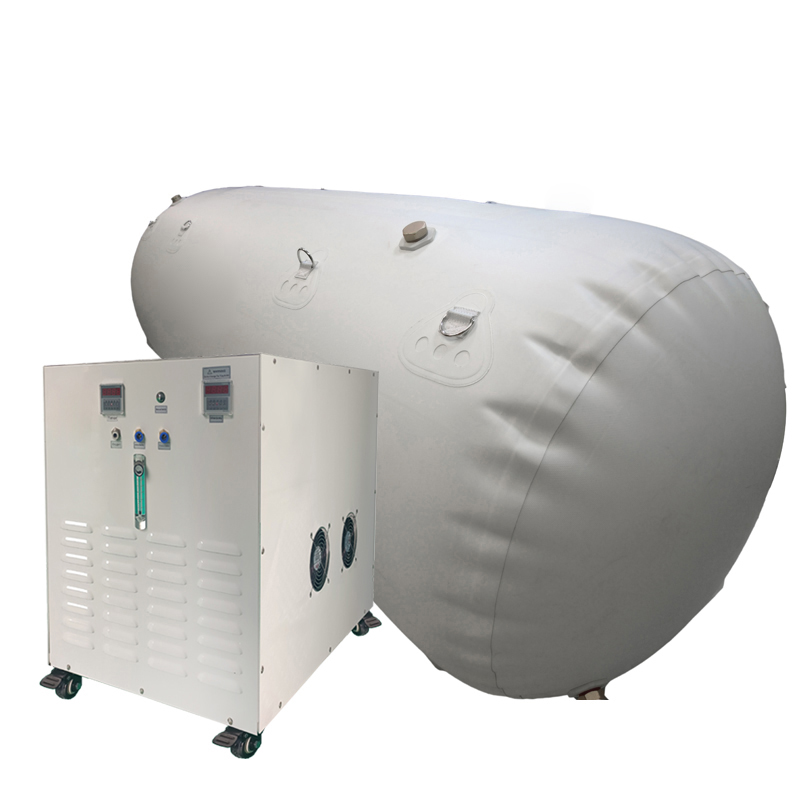
HBOT is highly effective in treating acute injuries commonly seen in sports, such as sprains, strains, and bone fractures. These injuries often involve soft tissue damage or swelling, which can impair circulation and delay healing. By using HBOT, athletes can reduce inflammation and accelerate tissue regeneration, allowing them to heal more rapidly. For example, studies have shown that athletes who receive HBOT after an ankle sprain experience reduced swelling and improved recovery times compared to those who do not undergo treatment. This makes HBOT a valuable therapy for athletes looking to recover quickly from acute injuries.
In addition to treating physical injuries, HBOT has been explored for its potential benefits in recovering from brain injuries, such as concussions. When an athlete suffers a concussion, the brain experiences a shortage of oxygen, which can slow down the healing process. HBOT can provide the brain with the additional oxygen needed to heal, reduce inflammation, and improve recovery. Evidence from recent studies suggests that HBOT may help protect brain cells from further damage, making it a promising treatment for athletes who have sustained head injuries. As more research is conducted in this area, HBOT may become an essential tool in treating concussions and other brain injuries.
Beyond injury recovery, many athletes use HBOT to optimize their performance. After intense physical exertion, the body requires time to recover, and fatigue can significantly affect performance. HBOT helps speed up the recovery process by delivering more oxygen to the muscles, reducing the buildup of lactic acid, and supporting the removal of metabolic waste products. This not only helps athletes recover faster but also enhances their endurance and stamina, allowing them to perform at a higher level during training and competition. Many professional athletes now incorporate HBOT into their recovery regimens to ensure they maintain peak performance levels.
Each session of Hyperbaric Oxygen Therapy (HBOT) is carefully controlled to ensure optimal recovery results. The duration and frequency of treatment sessions can vary depending on the athlete's injury and recovery needs. The following table outlines common parameters for typical HBOT treatment sessions.
| Treatment Parameter | Value | Unit | Application | Considerations |
|---|---|---|---|---|
| Session Duration | 60 - 90 | Minutes | Suitable for most athletes' recovery | Ensure session time does not exceed recommended duration |
| Treatment Frequency | 3 - 5 times per week | Sessions/Week | For acute injuries or fatigue recovery | Adjust frequency based on athlete’s recovery rate |
| Treatment Pressure | 2.0 - 2.5 ATA | ATA | To provide enough oxygen for healing | Different conditions may require different pressure levels |
| Oxygen Concentration | 100% | % | Ensures sufficient oxygen delivery to injured areas | High oxygen concentration promotes faster repair |
Tip: Treatment duration and frequency should be adjusted according to the athlete's recovery speed and injury severity. Extended sessions may cause unnecessary pressure burden.
The experience of being inside a hyperbaric oxygen chamber is generally safe and comfortable. Athletes may initially feel some pressure in their ears as the chamber is pressurized, similar to the sensation experienced during airplane takeoffs or landings. This feeling is temporary and can be relieved by swallowing or yawning. The chamber is designed to be spacious and relaxing, with many athletes using the time to rest, listen to music, or even sleep. The procedure is non-invasive and has few side effects, making it an attractive option for athletes seeking a non-pharmacological approach to recovery.
After completing HBOT sessions, athletes typically report feeling less fatigued, with reduced muscle soreness and inflammation. This rapid recovery allows them to return to their training routine much sooner than they would without the therapy. Additionally, many athletes find that their overall performance improves as they are able to recover more effectively between sessions. The therapy also plays a key role in improving the healing process for injuries, helping athletes return to competitive play faster. The overall recovery time after an injury is significantly reduced, allowing athletes to spend less time on the sidelines and more time on the field.
Many professional sports teams have begun using HBOT as part of their treatment protocols for athletes recovering from injuries. High-profile athletes, including those in the NFL and NBA, have reported using HBOT to speed up their recovery times and enhance their performance. For example, Novak Djokovic used HBOT after undergoing knee surgery and was able to return to competition just 39 days post-surgery, a testament to the therapy’s effectiveness in speeding up recovery.
Numerous studies have demonstrated the benefits of HBOT in sports medicine, particularly in the recovery from soft tissue injuries, fractures, and fatigue. A study published in the Journal of Athletic Training found that athletes who received HBOT showed quicker recovery times from soft tissue injuries compared to those who did not undergo the treatment. Another study published in the American Journal of Sports Medicine found that HBOT significantly reduced healing times for athletes recovering from bone fractures. This growing body of evidence highlights the potential of HBOT as a powerful tool in sports recovery.
Despite the promising evidence, some studies have shown mixed results, particularly in the treatment of certain injuries like ankle sprains. This suggests that while HBOT is effective in many cases, its efficacy may depend on factors such as the type and severity of the injury. As more research is conducted, clearer guidelines and protocols for using HBOT in sports medicine will likely emerge, helping to standardize its use and maximize its benefits for athletes.
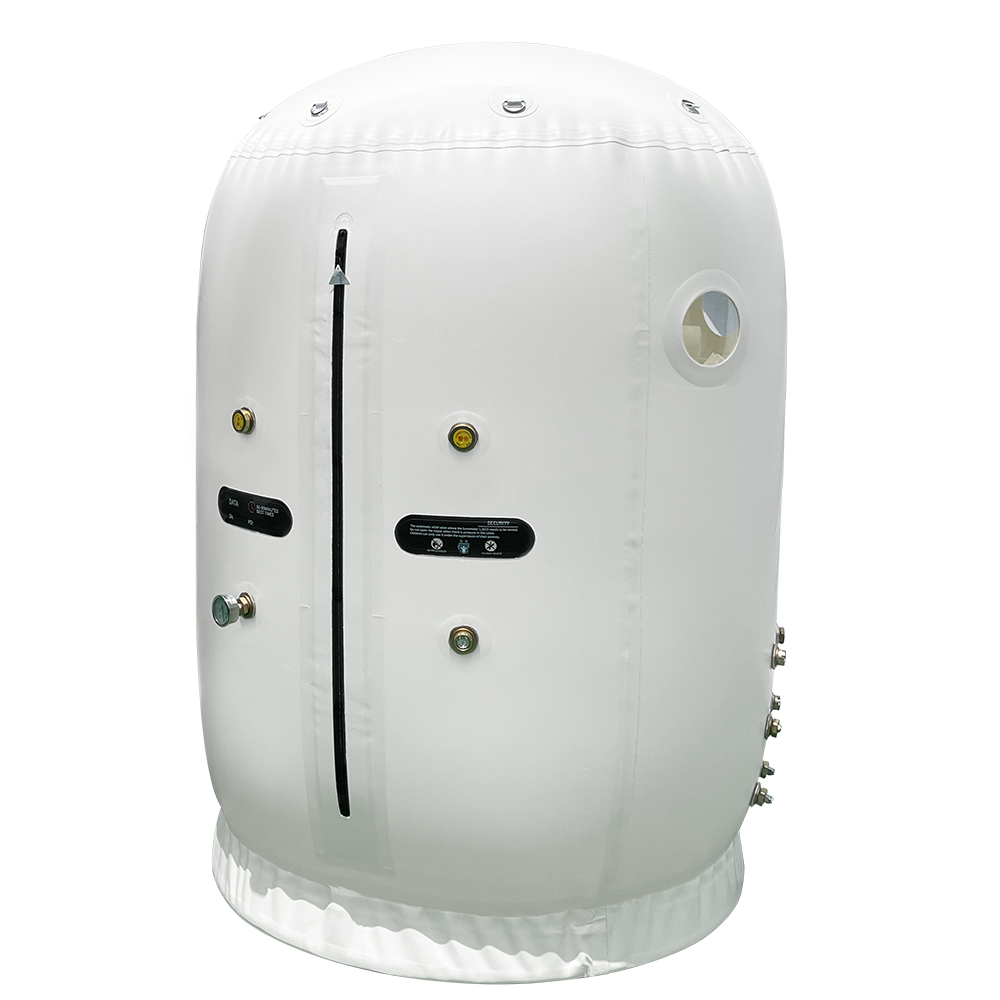
While HBOT is a highly effective treatment, there are potential side effects that athletes should be aware of. The table below lists common and rare side effects, as well as guidelines on how to manage these risks during treatment.
| Side Effect | Frequency | Severity | Management | Precautions |
|---|---|---|---|---|
| Ear Barotrauma | Common | Mild | Swallowing or yawning to relieve pressure | Ensure ear pressure relief during session |
| Oxygen Toxicity | Rare | Severe (in extreme cases) | Reduce session time or pressure | Follow physician’s prescribed protocols |
| Fatigue or Lightheadedness | Occasional | Mild | Rest after session | Avoid driving immediately post-treatment |
| Claustrophobia | Occasional | Mild to Moderate | Relaxation techniques, controlled environment | Communication with staff during session |
Tip: While side effects like ear pressure are common, they can be managed easily with proper techniques. Ensure proper medical guidance and adherence to treatment protocols.
Each athlete’s treatment plan should be customized based on their specific injury and recovery needs. A physician will determine the optimal number of sessions and the pressure levels that are most suitable for the athlete’s condition. While HBOT is an effective treatment for many injuries, it should be used as part of a broader treatment plan that includes other therapies, such as physical therapy, to ensure the best possible recovery outcomes.
The use of HBOT in sports medicine is expected to continue growing as more athletes and teams recognize its benefits. Many professional sports leagues now have on-site hyperbaric chambers to provide quick access to this therapy for athletes. As more research supports its effectiveness, it is likely that HBOT will become a standard part of athletic recovery protocols, helping athletes to recover faster and perform at their highest level.
The future of HBOT in sports medicine looks promising, with ongoing research focused on optimizing treatment protocols and understanding the long-term effects of the therapy. Advances in hyperbaric chamber technology and treatment methods will likely improve the efficiency and accessibility of HBOT, making it more widely available to athletes at all levels of competition. The continued development of standardized treatment protocols will also help ensure that athletes receive the most effective care possible.
Hyperbaric Oxygen Therapy (HBOT) has become an essential tool in modern sports medicine, offering significant benefits such as faster recovery from injuries, reduced inflammation, and enhanced performance. As a growing and valuable tool for athletes, Fugui Oxygen Chamber Technology (Zhongshan) Co., LTD. provides high-quality hyperbaric oxygen chambers that help optimize recovery time and performance. Their products are designed to meet the specific needs of athletes, offering effective and safe treatments for injury recovery. With ongoing research and protocol optimization, Fugui Oxygen Chamber Technology (Zhongshan) Co., LTD. continues to provide cutting-edge solutions to help athletes achieve peak performance while minimizing downtime from injuries.
A: A Hyperbaric Oxygen Chamber is a pressurized environment where athletes breathe pure oxygen. This therapy enhances oxygen delivery to tissues, speeding up recovery and reducing inflammation from injuries.
A: By increasing oxygen concentration in the blood, a Hyperbaric Oxygen Chamber promotes faster healing, reduces inflammation, and accelerates tissue repair, making it highly effective for sports-related injuries.
A: Athletes use a Hyperbaric Oxygen Chamber to speed up recovery, reduce fatigue, and improve performance by ensuring quicker healing of injuries and reducing downtime between training sessions.
A: Typically, athletes use a Hyperbaric Oxygen Chamber 3 to 5 times per week, depending on the severity of the injury and the prescribed treatment protocol.
A: While Hyperbaric Oxygen Chambers are generally safe, mild side effects like ear discomfort or fatigue can occur. It’s important to follow medical guidelines to avoid risks such as oxygen toxicity.
A: The cost of using a Hyperbaric Oxygen Chamber can vary. Generally, sessions range from $100 to $300 per treatment, depending on the location and chamber type.
A: Yes, a Hyperbaric Oxygen Chamber can aid in brain injury recovery by delivering more oxygen to the brain, reducing inflammation, and promoting faster healing of brain tissue.


