Fugui Oxygen Chamber Technology (Zhongshan) Co., LTD

- All
- Product Name
- Product Keyword
- Product Model
- Product Summary
- Product Description
- Multi Field Search
English
Views: 0 Author: Site Editor Publish Time: 2025-12-19 Origin: Site


Hyperbaric oxygen therapy (HBOT) has gained popularity for treating various conditions, from decompression sickness to wound healing. It’s also becoming a trend in wellness circles. However, as with any medical treatment, it comes with risks. In this article, we’ll explore the safety and potential dangers of using oxygen chambers, helping you make an informed decision.
A hyperbaric oxygen chamber (HBOT) is a specialized vessel where patients breathe pure oxygen at increased air pressure. The chamber is designed to create an environment where oxygen is delivered directly into the bloodstream, enhancing the body’s ability to heal. These chambers come in two main types: hard chambers, which are used in medical settings and can withstand higher pressures, and soft chambers, which operate at lower pressures and are commonly found in wellness centers. The therapy typically involves sitting or lying in the chamber while the pressure gradually increases, allowing oxygen to dissolve into the bloodstream more efficiently than breathing at normal atmospheric pressure.
HBOT is widely used to treat a variety of medical conditions. One of its most common uses is treating decompression sickness, a condition that affects divers who ascend too quickly from deep dives. The therapy helps by removing nitrogen bubbles trapped in the body. It’s also used to treat carbon monoxide poisoning, by increasing oxygen levels to counteract the effects of carbon monoxide poisoning. Other conditions such as burns, wounds, and radiation injuries can benefit from HBOT, as it promotes faster tissue healing by increasing oxygen supply to damaged areas. The therapy is also helpful for diabetic foot ulcers and osteomyelitis, a bone infection.
At its core, HBOT works by increasing the amount of oxygen dissolved in the blood, which is crucial for tissue repair and recovery. Under normal conditions, oxygen is primarily carried by red blood cells. However, when the body is placed under pressure, oxygen is able to dissolve directly into the plasma—the liquid component of the blood—allowing for more efficient oxygen delivery to tissues. This is especially beneficial in areas of the body that have reduced blood flow, like deep wounds or infected areas. The increased oxygen levels can also help the body fight infection, reduce swelling, and stimulate the growth of new blood vessels.
Condition | Benefits of HBOT |
Decompression sickness | Reduces nitrogen bubbles, relieves symptoms |
Carbon monoxide poisoning | Displaces carbon monoxide, restores normal oxygen levels |
Burns | Promotes healing, reduces scarring |
Wounds and ulcers | Speeds up healing, prevents infection |
Radiation injury | Supports tissue regeneration and reduces radiation damage |
Hyperbaric oxygen therapy (HBOT) offers significant therapeutic benefits, especially in treating chronic medical conditions. One of its most recognized uses is for diabetic wounds. Patients with diabetes often suffer from poor circulation, making it difficult for wounds to heal. HBOT helps by enhancing oxygen delivery to these areas, speeding up the healing process and preventing infections. Another key application is in the treatment of radiation injury, particularly in cancer patients who have undergone radiation therapy. HBOT helps repair damaged tissues and reduce inflammation caused by radiation exposure. For those suffering from osteonecrosis, a condition where bone tissue dies due to lack of blood flow, HBOT can promote the regeneration of blood vessels and improve healing, ultimately reducing pain and the need for surgery.
In addition to its medical uses, HBOT has gained popularity in wellness and recovery circles. Athletes, in particular, are turning to HBOT to speed up recovery after intense physical activity or injury. The therapy helps by reducing inflammation, promoting faster muscle recovery, and reducing pain and swelling. It has also been found to aid in skin rejuvenation, as the increased oxygen levels can stimulate collagen production, improving skin tone and texture. Beyond athletic recovery, HBOT is being explored as a tool for general wellness, with proponents claiming that it boosts energy, enhances mental clarity, and improves overall vitality.
One of the primary benefits of HBOT is its ability to enhance oxygenation within the body. When a person breathes in pure oxygen in a pressurized environment, the oxygen is not only carried by red blood cells but is also dissolved directly into the plasma. This process allows for a greater concentration of oxygen to reach areas with poor circulation, promoting faster healing and reducing inflammation. It can also support the body’s natural ability to fight infections and repair tissue damage. The increased oxygen availability helps stimulate the production of growth factors, essential for tissue regeneration and the healing of injuries. For wounds, burns, and other injuries, this enhanced oxygenation can be the difference between slow healing and rapid recovery.
Condition | Benefits of HBOT |
Diabetic wounds | Speeds up healing, reduces risk of infection |
Radiation injury | Promotes tissue repair, reduces damage from radiation |
Osteonecrosis | Stimulates blood vessel growth, reduces pain |
Athletic recovery | Reduces inflammation, speeds up muscle recovery |
Skin rejuvenation | Improves collagen production, enhances skin appearance |
HBOT’s ability to deliver oxygen directly to tissues not only supports recovery from serious medical conditions but also offers significant benefits for general health and wellness.
One of the most common side effects experienced during hyperbaric oxygen therapy (HBOT) is ear and sinus discomfort. As the chamber pressure increases, the body’s air-filled spaces, like the ears and sinuses, can feel the effects. This can lead to barotrauma, a condition where pressure changes cause discomfort, pain, or even injury in the ear or sinus cavities. A common symptom is ear popping, similar to the sensation experienced during changes in altitude, like when flying. For some patients, this discomfort can be exacerbated if they have pre-existing sinus issues or nasal congestion. Fortunately, these symptoms are generally temporary and can be relieved by yawning, swallowing, or using decongestants prior to therapy.
While oxygen is vital for life, oxygen toxicity is a serious risk when exposed to high concentrations for extended periods. In HBOT, patients breathe pure oxygen under high pressure, which can lead to an excess amount of oxygen in the body. Prolonged exposure to high levels of oxygen can result in lung damage, seizures, and even fluid in the lungs. These effects occur when the body’s tissues become overwhelmed by the excessive oxygen supply, leading to cellular damage. The risk of oxygen toxicity is minimized by strictly controlling treatment duration and chamber pressure. Most patients undergoing HBOT will not experience this complication, as it typically happens only under extreme conditions.
The enclosed nature of hyperbaric chambers can lead to feelings of claustrophobia or anxiety in some individuals. These chambers, especially the hard chambers, are relatively small and may cause discomfort for patients who are sensitive to confined spaces. The lack of ventilation or air circulation within some chambers may also trigger feelings of suffocation or panic. Although modern chambers are designed to provide comfort, with clear walls and adjustable pressure settings, the experience can still be unsettling for those prone to anxiety. It's crucial for patients to communicate their discomfort with the operator, as breaks can be taken if necessary to alleviate the stress of being inside the chamber.
Another side effect that some patients may experience is temporary vision changes, such as nearsightedness. This is caused by the changes in oxygen levels and pressure inside the chamber. Oxygen exposure at high pressure can cause a temporary shift in the lens of the eye, leading to blurred vision. The condition usually resolves itself within days to weeks after the last treatment session. While this side effect can be concerning, it is typically short-lived and non-permanent. However, if vision changes persist, it's essential to consult a healthcare provider to rule out other causes.
Ensuring that a qualified professional operates the oxygen chamber is essential for safety during hyperbaric oxygen therapy (HBOT). Only certified and trained personnel should oversee the procedure to minimize risks and ensure correct treatment. Professionals should be well-versed in chamber operation, patient monitoring, and emergency procedures. Certification from recognized organizations like the Undersea and Hyperbaric Medical Society (UHMS) is an important indicator of a technician's qualifications. This certification ensures that the staff understands the specific protocols needed for different conditions and pressures, guaranteeing the safety and comfort of the patient throughout the therapy. Patients should always confirm that the healthcare provider running the chamber has proper training before undergoing HBOT.
Selecting the right facility for HBOT is crucial to ensure both effective treatment and safety. Certified medical centers should always be the first choice, as they meet high safety standards and comply with regulatory requirements. These centers are equipped with medical-grade chambers and adhere to established protocols to maintain patient health during the procedure. It’s important to avoid unregulated clinics, as they may not follow proper safety measures, increasing the risks associated with oxygen therapy. When choosing a facility, patients should check for accreditation, cleanliness, equipment maintenance, and the expertise of the staff. Reviews and recommendations from trusted sources can also help identify reliable facilities. Patients should never settle for facilities that lack proper certifications or those offering significantly lower prices, as the quality and safety of the treatment may be compromised.
While hyperbaric oxygen therapy offers numerous benefits, it is not suitable for everyone. Certain medical conditions make HBOT risky and should be carefully considered. For instance, individuals with severe lung diseases such as emphysema or asthma are at a higher risk for complications like lung collapse due to the high-pressure environment. People who have had recent ear surgeries or injuries may experience complications, as the pressure can worsen ear damage. Those with certain types of heart disease or recent surgeries should avoid HBOT unless cleared by a healthcare professional. It’s important for individuals to have a comprehensive health evaluation before starting therapy to ensure that HBOT is safe for their specific condition.
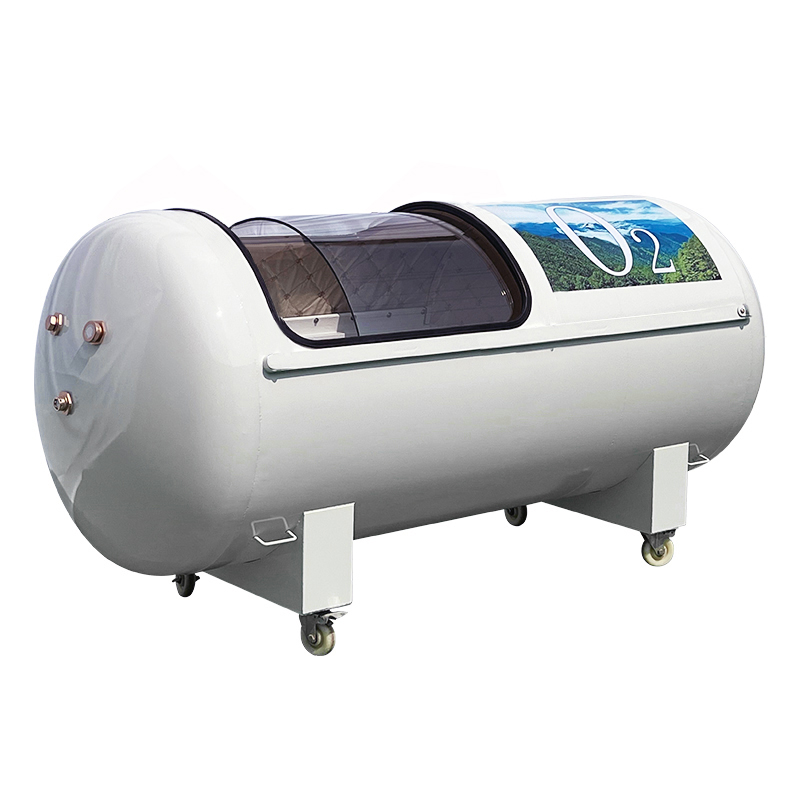
One common myth surrounding hyperbaric oxygen therapy (HBOT) is the belief that it is inherently unsafe. While any medical procedure carries risks, HBOT has been widely studied and is considered safe when properly administered. It has been used for over 50 years, with an excellent safety record when conducted under professional supervision. According to the Undersea and Hyperbaric Medical Society (UHMS), serious complications occur in less than 0.02% of cases. Most side effects are mild, such as ear pressure or temporary dizziness. The key to safe HBOT is ensuring that treatment is performed by trained professionals in a certified facility, with protocols in place to minimize any risks associated with pressure changes or oxygen levels.
Another misconception is that oxygen toxicity occurs easily with HBOT, making the therapy dangerous. While it is true that prolonged exposure to high concentrations of oxygen can lead to oxygen toxicity, modern HBOT protocols are designed to prevent this. During treatment, the oxygen pressure is carefully controlled and limited, with the session duration kept within safe parameters. Oxygen toxicity typically occurs only under extreme conditions, such as when the therapy exceeds recommended time frames or pressure levels. In clinical settings, trained staff ensure that oxygen levels are optimized for healing, reducing the risk of toxicity. Studies show that controlled HBOT actually helps the body better manage oxygen levels, supporting tissue repair without overwhelming the body.
Another widespread misconception is that HBOT is only relevant for divers and conditions like decompression sickness. While HBOT was initially developed to treat divers suffering from the bends, its use has expanded significantly. Today, it is an FDA-approved treatment for a wide range of conditions, including carbon monoxide poisoning, wound healing, radiation injuries, and diabetic ulcers. Research has also shown potential benefits for athletic recovery, skin rejuvenation, and even certain neurological disorders. HBOT is a versatile therapy, not limited to underwater injuries, and is used in various medical specialties to promote faster recovery and healing.
One of the most critical aspects of hyperbaric oxygen therapy (HBOT) is the presence of trained professionals who ensure patient safety throughout the treatment. Specialists are responsible for monitoring the therapy closely to ensure that all protocols are followed accurately. From adjusting chamber pressure to overseeing oxygen levels, trained staff are vital in preventing complications. They monitor patients for signs of discomfort or adverse reactions, such as ear pressure or dizziness, and can make necessary adjustments to alleviate these issues. Having a certified technician or physician running the therapy ensures that safety measures are always in place, and the patient is well-supported during each session.
Maintaining the quality and safety of hyperbaric chambers is a continuous process that requires regular maintenance and quality control. Over time, wear and tear on the equipment can lead to potential malfunctions, making it crucial for facilities to conduct thorough checks. These checks should include evaluating the pressure control systems, oxygen delivery systems, and chamber integrity. Regular calibration of oxygen levels ensures accurate therapy and reduces the risk of oxygen toxicity. Routine maintenance also involves sanitizing chambers to prevent infections, as the pressurized environment can promote bacterial growth if not properly cleaned. Facilities must adhere to strict regulatory standards to ensure that equipment is safe and ready for use during every session.
One of the most effective aspects of HBOT is its ability to be tailored to meet the individual needs of each patient. Healthcare providers assess a patient's medical history, current health conditions, and specific goals before initiating therapy. For example, individuals with diabetic wounds may need different pressure levels or session durations than someone seeking post-surgical recovery. A personalized approach maximizes the effectiveness of treatment while minimizing potential risks. By adjusting the therapy to suit the patient's condition, healthcare providers can enhance the healing process, improve outcomes, and ensure the patient’s comfort during each session.
Aspect | Details |
Trained professionals | Certified specialists monitor therapy and follow safety protocols |
Maintenance and quality control | Regular equipment checks ensure chamber safety and effective oxygen delivery |
Tailoring treatment | Personalized care based on individual health conditions and goals |
Tip: The combination of professional oversight, rigorous maintenance, and personalized care is essential for the safe and effective use of hyperbaric oxygen therapy. This ensures patients receive the best possible results while minimizing potential risks.
Oxygen chambers provide significant health benefits but come with risks. Proper professional oversight ensures safety and effective treatment. Patients should make informed decisions and seek certified facilities. Fugui offers reliable products and services, ensuring safe and effective HBOT therapy for various conditions.
A: Oxygen chambers are used for hyperbaric oxygen therapy (HBOT), helping treat conditions like decompression sickness, carbon monoxide poisoning, and diabetic wounds by providing pure oxygen under high pressure.
A: When used under professional supervision, oxygen chambers are generally safe. Trained specialists ensure correct pressure levels and oxygen dosage to minimize risks like oxygen toxicity or ear discomfort.
A: Some risks of oxygen chambers include ear pain, oxygen toxicity, and lung collapse. Proper monitoring and professional oversight help reduce these risks.
A: Oxygen chambers promote faster healing by increasing oxygen delivery to tissues, supporting recovery from wounds, infections, and injuries.
A: The cost of oxygen chamber therapy varies, typically ranging from $100 to $300 per session, depending on the facility and location.
A: Yes, oxygen chambers are also used in wellness settings to enhance recovery, improve skin health, and boost energy levels.


