Fugui Oxygen Chamber Technology (Zhongshan) Co., LTD

- All
- Product Name
- Product Keyword
- Product Model
- Product Summary
- Product Description
- Multi Field Search
English
Views: 0 Author: Site Editor Publish Time: 2026-01-17 Origin: Site


Hyperbaric Oxygen Therapy (HBOT) is transforming the field of medical recovery. This cutting-edge treatment involves breathing pure oxygen in a pressurized chamber, speeding up the healing process. Initially developed to treat decompression sickness, it is now used for various conditions, including chronic wounds and brain injuries. In this article, we’ll dive into how HBOT works and its incredible impact on cellular healing. You’ll learn about its mechanisms and how it accelerates recovery, reducing pain and inflammation, and improving healing outcomes.
HBOT involves breathing 100% pure oxygen in a pressurized chamber, where the increased pressure allows oxygen to dissolve in plasma, enhancing oxygen delivery to tissues that suffer from poor circulation or injury. The pressurization process allows oxygen to reach damaged tissues far beyond the capabilities of normal atmospheric conditions. There are two main types of hyperbaric chambers: monoplace chambers, which accommodate one patient, and multiplace chambers, which can treat multiple patients simultaneously. Sessions typically last between 60 to 90 minutes, and patients may undergo treatments for 20-40 sessions depending on their condition and recovery goals.
In HBOT, oxygen is carried by both red blood cells and plasma. This increased capacity for oxygen delivery allows oxygen-rich plasma to reach tissues with poor circulation, such as diabetic wounds, post-surgical recovery areas, or brain cells after a traumatic injury. The higher oxygen saturation helps accelerate the healing process by providing vital oxygen to tissues that are usually deprived, supporting faster cell regeneration and tissue repair.
The increased oxygen supply in HBOT enhances mitochondrial function, boosting cellular energy production (ATP), which is essential for tissue repair and regeneration. Oxygen also stimulates stem cells, promoting faster tissue regeneration and aiding in the healing of injured areas. With enhanced oxygenation, cells can communicate more efficiently, leading to better coordination in the healing process, ultimately accelerating tissue repair.
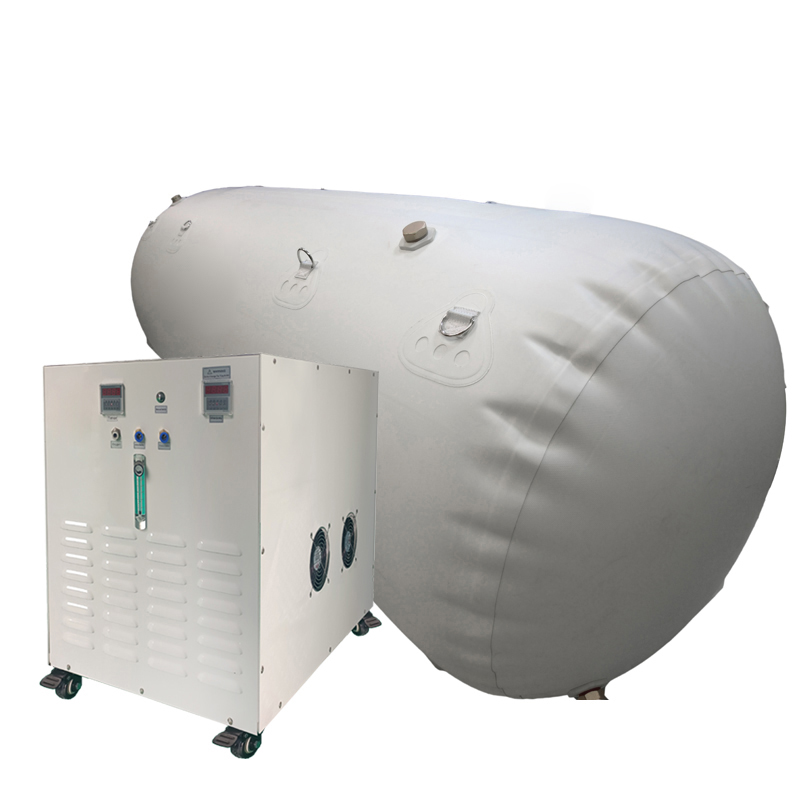
Oxygen is key in managing inflammation, which can impede effective healing. By enhancing oxygen levels in the bloodstream, HBOT helps reduce swelling and pain, promoting faster recovery. This is especially beneficial for inflammatory conditions like arthritis and soft tissue injuries, where inflammation often slows down the healing process. The increased oxygen also reduces oxidative stress, further helping to minimize inflammation and facilitate quicker healing.
The high oxygen levels created in the hyperbaric chamber are hostile to anaerobic bacteria, which thrive in low-oxygen environments. This makes HBOT an effective treatment for infections like gangrene and osteomyelitis, which are difficult to treat with traditional antibiotics. Additionally, HBOT enhances the activity of white blood cells, strengthening the immune system's ability to fight infections and improving the body’s overall ability to heal. This table showcases how HBOT can help treat various infections by altering the body's oxygen levels.
| Infection Type | Effectiveness of HBOT | Mechanism | Benefits |
|---|---|---|---|
| Anaerobic Bacteria | Highly effective | High oxygen environment inhibits growth | Reduces infection rates in wounds |
| Chronic Wounds | Very effective | Oxygen aids tissue regeneration | Speeds up healing of diabetic ulcers |
| Osteomyelitis (Bone Infection) | Moderate to high | Enhances white blood cell activity | Improves immune response, fights bacteria |
| Gangrene | Highly effective | Oxygen restores blood flow to tissues | Prevents tissue necrosis |
Tip: HBOT is particularly effective when combined with antibiotics for treating infections that do not respond to conventional treatments alone.
Increased oxygenation promotes faster tissue repair by providing oxygen-rich blood to the injured areas. This helps accelerate the healing of damaged tissues and speeds up the recovery process. HBOT also reduces pain and inflammation, which are common barriers to recovery after an injury, allowing patients to return to normal activities more quickly. Many report a significant reduction in recovery time after surgery or traumatic injury when using HBOT.
Case studies have shown that HBOT significantly improves the healing process of chronic wounds, especially diabetic foot ulcers and radiation-induced injuries. Patients with non-healing wounds that have not responded to traditional treatments have shown remarkable improvement when treated with HBOT. The oxygen delivered to the damaged tissues accelerates the regenerative process, leading to faster and more complete healing.
HBOT not only accelerates healing but also helps prevent long-term complications. By improving blood circulation and tissue oxygenation, HBOT prevents issues such as tissue necrosis and chronic infections, common after surgery or serious injuries. Many patients have reported improved mobility and a better quality of life following HBOT treatment, as it significantly reduces the impact of long-term conditions like arthritis and fibromyalgia.
HBOT not only accelerates tissue repair but also plays a key role in chronic pain management. By reducing inflammation and promoting tissue regeneration, HBOT can provide significant relief for patients suffering from chronic pain. The following table highlights HBOT's application and effectiveness for various common chronic pain conditions.
| Chronic Pain Condition | HBOT Effectiveness | Mechanism of Action | Key Benefits |
|---|---|---|---|
| Fibromyalgia | High | Reduces muscle inflammation and pain | Alleviates widespread pain |
| Arthritis | Moderate to High | Enhances joint healing and reduces swelling | Reduces pain and improves mobility |
| Chronic Back Pain | Moderate | Improves tissue oxygenation, reducing inflammation | Relieves pain and restores function |
| Sports Injuries | High | Speeds up muscle and tissue recovery | Reduces soreness and speeds up recovery |
Tip: HBOT can be particularly beneficial for athletes or individuals with musculoskeletal pain, providing faster recovery and pain relief without the use of medications.
Research is ongoing to explore the potential of Hyperbaric Oxygen Therapy (HBOT) in treating Alzheimer's, Parkinson's, and other neurodegenerative diseases. The table below details the research mechanisms, effectiveness, and key benefits of HBOT in these conditions, offering valuable insights for future clinical applications.
| Condition | HBOT Mechanism | Effectiveness in Clinical Trials | Key Benefits | Research Findings |
|---|---|---|---|---|
| Alzheimer’s Disease | Increases oxygen delivery to brain cells, enhancing neuronal function | Promising improvement in cognitive function | Slows cognitive decline, enhances memory retention | Studies show improved cognitive performance in early stages of Alzheimer's |
| Parkinson’s Disease | Enhances neurogenesis and increases oxygenation in brain regions affected by the disease | Moderate success in improving motor function | Reduces tremors, improves motor coordination | Clinical trials show significant reduction in motor symptoms |
| Age-related Cognitive Decline | Oxygen boosts brain function and circulation | High potential for slowing cognitive decline | Preserves brain cell function, improves mental clarity | Research demonstrates improved cognitive function in older adults |
Tip: For patients experiencing cognitive decline, HBOT may be an effective early intervention strategy to slow progression and improve quality of life.
Studies suggest that HBOT may improve cognitive function and support brain health by increasing oxygen delivery to the brain. This is particularly relevant for patients suffering from age-related cognitive decline, such as those with Alzheimer's and other neurodegenerative diseases. The therapy may help protect against further deterioration and improve cognitive performance in aging individuals.
Clinical trials are also investigating the use of HBOT in cancer recovery, PTSD treatment, and more. Research is showing that HBOT can help accelerate recovery post-surgery and reduce the effects of radiation therapy, as well as support emotional recovery from trauma. The potential applications of HBOT are vast and continue to expand as more research is conducted.
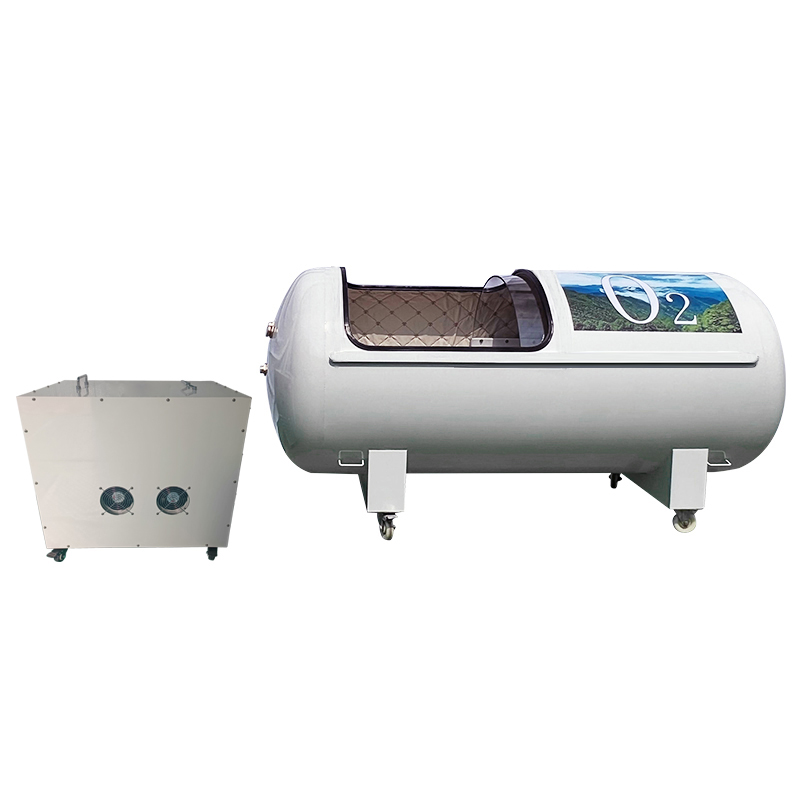
HBOT plays a significant role in improving skin health by stimulating the production of collagen, which is crucial for maintaining skin structure and elasticity. Collagen production is often slowed by aging and environmental damage, leading to wrinkles and sagging. Research has shown that HBOT enhances oxygen flow to skin tissues, accelerating collagen synthesis and reducing oxidative stress, which is a major factor in skin aging. This not only improves skin texture and elasticity but also promotes the healing of scars and improves overall skin tone, leading to a more youthful, rejuvenated appearance.
HBOT may help protect brain cells from neurodegenerative diseases like Alzheimer's and Parkinson's by increasing oxygen delivery to the brain. This table provides insights into how HBOT supports brain health and cognitive function in aging individuals.
| Neurodegenerative Disease | HBOT Mechanism | Key Benefits | Expected Outcomes |
|---|---|---|---|
| Alzheimer’s Disease | Increased oxygenation of brain tissue | Helps preserve brain cells and support cognitive function | Slows cognitive decline and memory loss |
| Parkinson’s Disease | Oxygen helps restore cell metabolism and regeneration | Enhances motor skills and reduces tremors | Improved motor function and reduced symptoms |
| General Age-Related Decline | Oxygen boosts brain function and circulation | Promotes neuroplasticity and reduces brain cell degeneration | Slows down age-related cognitive deterioration |
Tip: For patients at risk of age-related cognitive decline, early HBOT treatment may be beneficial in delaying the onset of neurodegenerative diseases.
Combining HBOT with physical therapy creates a powerful synergy in treating injuries and improving rehabilitation outcomes. The enhanced oxygen delivery promotes faster tissue regeneration, while physical therapy improves joint mobility and strength. Scientific studies have shown that the increased oxygen supply accelerates muscle repair and collagen production, essential for long-term recovery. This approach not only speeds up the recovery process but also reduces the likelihood of re-injury, making it particularly beneficial for athletes and post-surgery patients.
HBOT plays a crucial role in post-surgical recovery by reducing inflammation, alleviating pain, and promoting faster tissue regeneration. Oxygen is essential for collagen synthesis, a key process in wound healing. Studies have demonstrated that HBOT can significantly reduce swelling and bruising, improving the cosmetic outcomes of surgery. Additionally, HBOT helps improve circulation, which enhances the delivery of nutrients and oxygen to healing tissues, ultimately reducing recovery time and minimizing scarring. This makes it an invaluable tool for enhancing post-surgical recovery.
Hyperbaric Oxygen Therapy is a powerful and effective treatment that accelerates the body’s natural healing processes. From chronic wound healing to post-surgical recovery and pain management, HBOT is proving to be a versatile solution for a variety of health conditions. As research continues to unlock new applications, HBOT is likely to play a key role in modern medicine, offering hope for patients seeking faster, more effective healing. Fugui Oxygen Chamber Technology (Zhongshan) Co., LTD. provides innovative HBOT solutions that enhance recovery and promote cellular healing.
A: Hyperbaric Oxygen Therapy (HBOT) involves breathing 100% pure oxygen in a pressurized chamber, which enhances oxygen delivery to tissues, promoting faster healing and tissue regeneration.
A: HBOT speeds up recovery by increasing oxygen levels in the body, which accelerates tissue repair, reduces inflammation, and stimulates stem cell activity for faster healing.
A: HBOT improves wound healing by providing oxygen to areas with poor circulation, promoting faster cell regeneration and reducing infection risk, especially in chronic wounds like diabetic ulcers.
A: Yes, HBOT enhances oxygen supply to the brain, which can help improve cognitive function and protect against neurodegenerative diseases like Alzheimer's and Parkinson's.
A: The cost of HBOT varies, typically ranging from $100 to $500 per session, depending on the chamber type and treatment frequency.


