Fugui Oxygen Chamber Technology (Zhongshan) Co., LTD

- All
- Product Name
- Product Keyword
- Product Model
- Product Summary
- Product Description
- Multi Field Search
English
Views: 0 Author: Site Editor Publish Time: 2025-12-19 Origin: Site


Hyperbaric oxygen therapy (HBOT) is gaining popularity for its healing and wellness benefits. As more people seek this treatment, understanding the different types of oxygen chambers becomes crucial. Each chamber offers unique features that can affect treatment outcomes. In this article, we’ll explore the various oxygen chambers and highlight their key differences to help you make an informed choice.
Oxygen chambers, also known as hyperbaric chambers, are pressurized environments used for hyperbaric oxygen therapy (HBOT). In these chambers, patients breathe 100% oxygen at higher-than-normal atmospheric pressure. This controlled environment allows oxygen to dissolve into the blood more effectively, reaching tissues that may have reduced circulation. Hyperbaric chambers can be used for both medical treatments and wellness purposes, offering a variety of designs, such as single-person chambers or larger multi-person units.
There are two main types of chambers: monoplace and multiplace. Monoplace chambers are designed for individual use, while multiplace chambers can accommodate multiple patients simultaneously. Each chamber type is equipped to deliver oxygen at specific pressure levels, which can significantly affect the body’s ability to absorb oxygen for healing and recovery.
The primary benefit of hyperbaric oxygen therapy lies in the oxygen itself. Under normal conditions, the body uses the oxygen from the air to maintain cell functions, repair tissues, and support various biological processes. However, when exposed to higher-than-normal pressures in a hyperbaric chamber, oxygen dissolves more easily in the blood, allowing it to reach areas that may have poor circulation.
This increased oxygen concentration accelerates healing in tissues, reduces inflammation, and fights infections. It also helps improve the body’s ability to repair damaged cells and tissues by boosting oxygen levels to vital organs and other parts of the body. HBOT is commonly used to treat conditions such as chronic wounds, decompression sickness, and even carbon monoxide poisoning, among others.
Type of Chamber | Pressure Level | Oxygen Delivery | Common Use |
Monoplace Chamber | 2.0–3.0 ATA | 100% oxygen | Individual treatments, wellness |
Multiplace Chamber | 2.0–3.0 ATA | 100% oxygen via mask or hood | Multiple patients, emergency care |
Mild (Soft) Chamber | 1.3 ATA | 21% oxygen, sometimes enhanced | Wellness, athletic recovery |
Monoplace hyperbaric chambers are designed to treat a single patient at a time. These chambers are typically made from clear acrylic or steel, providing both durability and visibility. The design is similar to a long, cylindrical tube, where the patient lies down comfortably during treatment. The chamber is gradually pressurized with 100% oxygen, allowing the patient to breathe pure oxygen during their session. The transparent material of the chamber allows for easy monitoring, ensuring safety and comfort throughout the treatment. Monoplace chambers are specifically built for individual use, offering a personalized and controlled environment.
Advantages:
● Comfort: These chambers are designed to offer comfort during the treatment. Patients can lie down and relax, often with entertainment options like music or movies.
● Privacy: Since the chamber is for individual use, patients benefit from a private treatment space, which can be more comfortable for those new to HBOT.
● Convenience: They are generally quicker to set up than larger, multi-patient chambers and are ideal for personalized treatments.
Limitations:
● Not suitable for multi-patient therapy: Unlike multiplace chambers, which can accommodate several patients at once, monoplace chambers are designed for individual use only. This limits their use in facilities treating large groups or emergency situations.
● Space limitations: Because they are compact, they can be restrictive for larger patients or those who may need more space during treatment.
Monoplace chambers are widely used for individual treatments focused on recovery and wellness. These chambers are especially effective for:
● Wellness Support: Many individuals use monoplace chambers for general health benefits, such as boosting energy levels or enhancing skin appearance.
● Minor Injuries: Athletes and active individuals often use them to help heal minor injuries, like sprains or strains, by promoting faster tissue repair.
● Neurological Conditions: Some neurological conditions, such as brain injuries or certain types of stroke recovery, benefit from the oxygen therapy provided in monoplace chambers.
Feature | Details |
Design | Single-person tube, typically made from acrylic or steel |
Oxygen Delivery | 100% oxygen, pressurized environment |
Advantages | Comfort, privacy, personalized treatment |
Limitations | Not for multiple patients, limited space |
Common Uses | Wellness, injury recovery, neurological conditions |
Multiplace hyperbaric chambers are larger, multi-person units designed to treat several patients simultaneously. Unlike monoplace chambers, which are built for individual use, these chambers provide ample space for multiple people, often allowing for 2-10 patients to receive therapy at once. The design of multiplace chambers typically resembles a large room or pressurized space, where patients are seated or lying on beds. Each patient wears a mask or a hood connected to an oxygen supply while the chamber is pressurized. These chambers are typically made from durable materials such as steel or acrylic, offering both safety and visibility during treatment.
One notable feature is the ability to provide constant monitoring by medical personnel inside or outside the chamber, ensuring the safety and comfort of all patients.
Multiplace chambers are ideal for emergency situations or when several patients need simultaneous treatment. In hospitals, these chambers are often used for:
● Emergency treatments: Such as decompression sickness in divers or carbon monoxide poisoning, where immediate, large-scale treatment is required.
● Critical care: Offering effective therapy for patients with severe medical conditions that benefit from hyperbaric oxygen therapy (HBOT), like severe infections or trauma recovery.
● Efficiency in treating large groups: The ability to treat multiple patients at once helps optimize resources, especially in medical centers or hospital settings dealing with large patient numbers.
Multiplace chambers are commonly used in hospital settings, providing an essential role in critical care and rehabilitation. These chambers are crucial in the treatment of conditions that require precise oxygen therapy under high pressure. Some of the most frequent applications include:
● Decompression sickness: For divers experiencing the bends after rapid ascent, where the chamber provides rapid decompression and oxygen therapy to dissolve nitrogen bubbles trapped in the body.
● Severe infections: Chronic infections or infections in damaged tissue can benefit from the increased oxygen supply, which boosts the immune system and accelerates healing.
● Wound healing: Patients with non-healing wounds, often due to diabetes or radiation therapy, receive significant therapeutic benefits from the high-pressure oxygen environment.
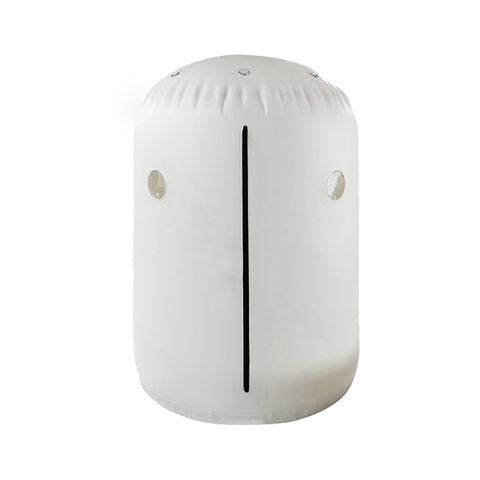
Mild or soft hyperbaric chambers are constructed from flexible materials such as polyurethane or canvas. Unlike their rigid counterparts, these chambers are portable, making them suitable for home use or smaller treatment facilities. They typically resemble large sleeping bags or inflatable tents, designed to be set up in a room with enough space. The soft construction allows for easy transport, and the chamber is sealed with a zipper, making it user-friendly for individuals seeking more convenient therapy options. The design is less bulky and can be assembled and disassembled quickly, which adds to their appeal for personal use or for those who want more flexible treatment options outside traditional medical centers.
While soft chambers are widely marketed for their convenience and affordability, they come with some limitations. The primary issue is the lower pressure they can provide compared to medical-grade chambers. Soft chambers typically operate at around 1.3 ATA, which is much lower than the 2.0-3.0 ATA used in medical chambers. Additionally, the oxygen concentration inside these chambers is typically lower, often around 21% or sometimes enhanced with an oxygen concentrator. This reduced pressure and oxygen level means that the therapeutic impact is less significant than in hard, medical-grade chambers.
Although they can help improve general well-being, the lower levels of oxygen may not effectively address more serious medical conditions that require intense treatment. For example, soft chambers are not effective in treating severe infections, decompression sickness, or non-healing wounds, which require higher oxygen levels to be effective.
Mild chambers are commonly promoted for general wellness, sports recovery, and altitude sickness treatment. They are especially popular among athletes who seek quicker recovery times after strenuous workouts or events. The idea is that the increased oxygen, even at lower levels, can help reduce muscle fatigue, enhance energy levels, and support overall recovery. For those seeking a less intense and more affordable option, mild chambers offer a way to experience some of the benefits of hyperbaric therapy without the higher costs or specialized setting of medical chambers.
Mild chambers are also marketed for improving skin appearance and enhancing mental clarity, making them a popular choice for individuals looking to boost their health in a more holistic way.
Feature | Details |
Design | Soft materials, portable, easy setup |
Oxygen Delivery | 21% oxygen, sometimes enhanced with concentrators |
Pressure Level | Operates at 1.3 ATA |
Advantages | Affordable, convenient, and portable |
Limitations | Less effective for serious medical conditions |
Common Uses | Wellness, sports recovery, altitude sickness |
While soft chambers offer an accessible option for general health and wellness, they are not a substitute for the more rigorous treatments required for serious medical conditions.
Low-pressure chambers, often referred to as mild hyperbaric chambers, operate at lower pressures than medical-grade chambers. These chambers typically function at 1.3 ATA, which is the pressure equivalent to approximately 3 meters (10 feet) underwater. While they are often portable and affordable, they are mainly used for general wellness and recovery purposes. Common applications include improving athletic performance, enhancing energy levels, and treating minor conditions like jet lag or mild altitude sickness. These chambers often use ambient air (with around 21% oxygen) or may slightly concentrate the oxygen with an oxygen concentrator. However, because of the lower pressure and oxygen concentration, they are not suitable for treating severe medical conditions like infections or chronic wounds.
High-pressure chambers are primarily designed for medical-grade treatments and operate at pressures ranging from 2.0 to 3.0 ATA. These chambers, often seen in hospitals and specialized clinics, deliver pure oxygen at higher pressures, allowing the body to absorb much more oxygen than under normal atmospheric conditions. Medical-grade chambers are FDA-approved for treating a variety of conditions, including decompression sickness, carbon monoxide poisoning, and severe infections. At these pressures, oxygen is delivered directly to tissues, significantly improving the healing process, reducing inflammation, and fighting infections. Due to the higher oxygen saturation and pressurization, they are more effective for treating critical conditions that require intense therapy.
The pressure levels in hyperbaric chambers have a direct impact on how oxygen is absorbed into the body. In low-pressure chambers, oxygen dissolves into the blood, but at lower levels than in high-pressure environments. While this can benefit overall wellness and aid recovery from mild injuries, the oxygen saturation is insufficient for treating more serious health issues. In high-pressure chambers, oxygen is forced into the bloodstream at a much higher concentration, which allows it to reach tissues that may have poor circulation or oxygenation. This increased oxygen level promotes tissue oxygenation, accelerating healing, reducing inflammation, and supporting the immune system. The higher the pressure, the more oxygen the body can absorb, which is why high-pressure chambers are crucial for medical therapies targeting chronic conditions and severe injuries.
One of the key differences between mild and medical chambers lies in the purity of oxygen they provide. Mild chambers typically operate with ambient air (21% oxygen), which is similar to what we breathe every day. In some cases, mild chambers may use oxygen concentrators to increase the oxygen content slightly, but they rarely reach the levels needed for significant medical treatment. These chambers are generally marketed for wellness and minor recovery, offering a more relaxed and less expensive option for those seeking general health benefits.
On the other hand, medical chambers deliver 100% oxygen under high pressure. This is a crucial feature for their effectiveness in treating severe medical conditions. The use of pure oxygen enables these chambers to deliver higher oxygen saturation to tissues, making them essential for treating conditions like decompression sickness, chronic wounds, and carbon monoxide poisoning. The high oxygen purity ensures that the body receives the necessary oxygen levels to promote tissue regeneration and combat infections, making medical chambers far more effective for critical therapies.
The delivery system used in hyperbaric chambers significantly impacts treatment outcomes. In mild chambers, the oxygen delivery system is designed to provide a low level of oxygen under moderate pressure. While this can help improve general wellness, increase energy, and speed up recovery from mild injuries, it lacks the potency needed for treating more serious medical conditions. The lower oxygen levels limit the chamber's ability to provide deep tissue oxygenation.
In contrast, medical chambers deliver pure oxygen under high pressure, which forces oxygen into the bloodstream more effectively. This enhanced oxygen absorption helps to accelerate healing and promote recovery by increasing the amount of oxygen available to the body's tissues. With higher oxygen levels, cells can repair more rapidly, inflammation is reduced, and the body's ability to fight infections is boosted. This makes medical chambers essential for addressing conditions like chronic infections, non-healing wounds, and even some neurological conditions.
The article highlights the key differences between various types of oxygen chambers, including mild, monoplace, and multiplace chambers. Mild chambers are suitable for wellness and minor recovery, while medical chambers offer higher oxygen levels for serious conditions. Choosing the right chamber depends on treatment needs, with medical chambers ideal for critical care. For personalized recommendations, consulting medical professionals is essential. Fugui provides high-quality products with unique features that cater to both wellness and medical needs, offering valuable solutions for optimal therapy.
A: Oxygen chambers are pressurized environments where patients breathe oxygen at higher-than-normal atmospheric pressure. This increased pressure allows more oxygen to be absorbed into the bloodstream, aiding in faster healing and recovery.
A: Mild oxygen chambers provide lower pressure and oxygen levels, typically used for wellness and recovery. Medical oxygen chambers, however, offer higher pressure and 100% oxygen, making them suitable for treating serious conditions like infections or decompression sickness.
A: Yes, mild oxygen chambers are safe for general wellness use. They help with recovery from minor injuries and improve energy levels, but for medical conditions, a medical-grade oxygen chamber is recommended.
A: The cost of using oxygen chambers varies. Mild chambers tend to be more affordable, while medical-grade chambers, due to their higher pressure and oxygen purity, are generally more expensive.


