Fugui Oxygen Chamber Technology (Zhongshan) Co., LTD

- All
- Product Name
- Product Keyword
- Product Model
- Product Summary
- Product Description
- Multi Field Search
English
Views: 0 Author: Site Editor Publish Time: 2026-01-21 Origin: Site


Have you ever wondered how pure oxygen could help heal your body faster? Hyperbaric Oxygen Therapy (HBOT) is a treatment that involves breathing oxygen in a pressurized chamber, significantly increasing oxygen levels in your blood. This process helps your body heal by improving oxygen delivery to areas deprived of it due to injury or disease. In this article, we will explore the physiological and biochemical changes that occur during HBOT. You will learn how this therapy accelerates healing, fights infections, and reduces inflammation, offering numerous benefits for various conditions.
Under normal conditions, oxygen is primarily carried by red blood cells. However, in a hyperbaric environment, oxygen dissolves directly into the blood plasma, significantly increasing the body's oxygen concentration—by as much as 1,200%. This process, known as hyperoxygenation, ensures that more oxygen is available to tissues that are otherwise deprived. It allows oxygen to reach deeper tissues, lymphatic systems, and cerebrospinal fluid—areas that red blood cells typically cannot penetrate when there is injury or inflammation. This oxygen boost helps tissues heal faster and more effectively, accelerating recovery and reducing the risks of complications from oxygen-starved cells.
One of the key benefits of HBOT is its ability to deliver oxygen to hypoxic (oxygen-deprived) areas of the body. In the case of injuries or inflammation, blood vessels are often damaged or constricted, making it difficult for oxygen to reach the affected tissues. HBOT addresses this challenge by increasing the amount of oxygen in the blood, which allows it to be transported to these oxygen-starved tissues. This is especially important in cases of chronic wounds, diabetic ulcers, or any condition where circulation is compromised, as it can dramatically speed up the healing process and prevent further tissue death. The table below details the key factors of oxygen delivery, including the changes in oxygen concentration and its effects on different types of damaged tissues.
| Factor | Normal Oxygen Delivery | HBOT Oxygen Delivery | Impact |
|---|---|---|---|
| Oxygen Concentration | Oxygen is transported primarily by red blood cells, maintaining normal oxygen levels | Oxygen dissolves directly in the plasma, increasing concentration by up to 1200% | Enhances oxygen supply to deep tissues and lymphatic systems |
| Oxygen Transport Pathway | Relies on red blood cells to carry oxygen | Oxygen directly dissolves into plasma | Increases oxygen transport to areas where red blood cells can't reach |
| Indications | Not effective for hypoxic or acute injury areas | Effective for chronic wounds, diabetic ulcers, bone fractures, etc. | Promotes wound healing and accelerates recovery |
| Effect | Limited depth of oxygen delivery | Multi-layer oxygen transport reaches deeper tissues | Enhances tissue repair and prevents further damage and necrosis |
Tip: Ensure that oxygen concentration and treatment duration match the patient’s specific needs to maximize therapeutic outcomes.
Oxygen plays a crucial role in cellular metabolism, particularly in the mitochondria, where it is used to produce ATP (adenosine triphosphate), the primary energy source for cellular functions. During HBOT, the increased oxygen levels support mitochondrial function, allowing cells to generate more ATP. This energy boost is essential for tissue repair and regeneration, helping cells to heal more rapidly and efficiently. By optimizing cellular metabolism, HBOT accelerates the body's natural healing mechanisms, enabling damaged tissues to recover faster.
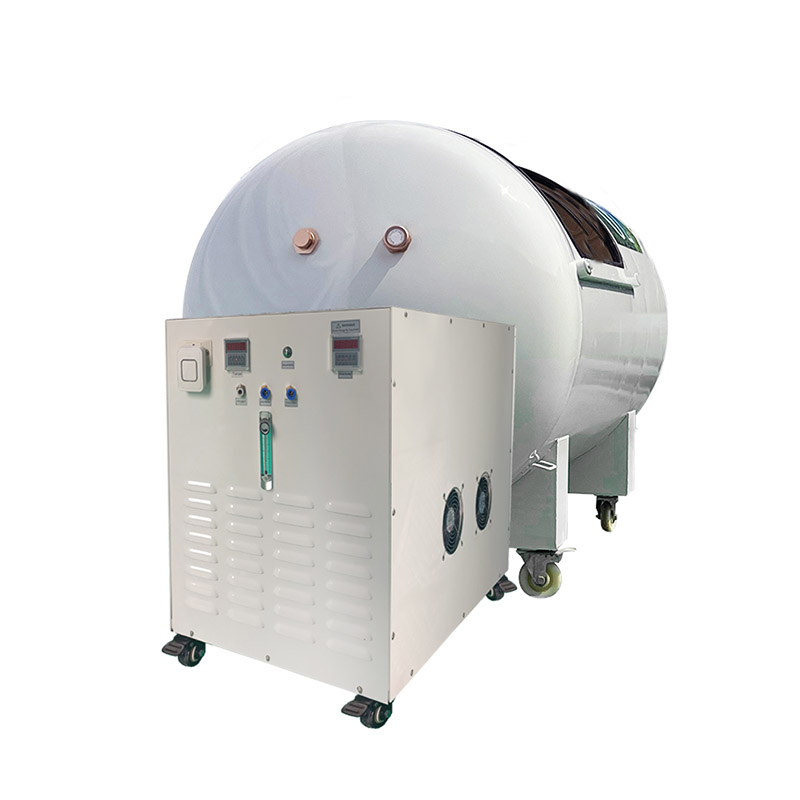
Swelling, or edema, often occurs after tissue damage, as fluid leaks out of blood vessels and accumulates in the surrounding tissues. This not only causes pain but also deprives the tissue of the oxygen needed for repair. HBOT helps reduce swelling by constricting blood vessels slightly, which minimizes fluid leakage while maintaining oxygen delivery to the tissue. The high oxygen concentration also helps reduce the amount of interstitial fluid in the affected area, thereby alleviating swelling and promoting faster recovery. This is particularly beneficial in treating conditions like muscle strains, post-surgical inflammation, and traumatic injuries.
Chronic inflammation is often a significant barrier to healing. It can prolong recovery and lead to further tissue damage if not properly managed. HBOT helps mitigate this by downregulating inflammatory genes and proteins. The increased oxygen levels suppress the production of pro-inflammatory molecules and enhance the function of anti-inflammatory molecules. This allows the body to manage inflammation more effectively, reducing pain and preventing long-term damage. As a result, the body can focus on healing the injured tissue rather than fighting off excessive inflammation.
While oxygen is essential for healing, it can also lead to the production of reactive oxygen species (ROS) during the healing process. These oxygen radicals, while part of the body’s natural defense mechanisms, can sometimes cause oxidative damage to tissues if not properly neutralized. HBOT helps by increasing the levels of antioxidants in the body, which neutralize these harmful ROS. By doing so, HBOT prevents oxidative stress and protects cells from damage, allowing them to function properly and continue healing without additional harm.
Oxygen plays a pivotal role in enhancing the body's immune response. During HBOT, high oxygen levels improve the function of white blood cells (leukocytes), which are responsible for defending the body against infections. Oxygen boosts the ability of these cells to identify and destroy bacteria, especially in hypoxic conditions where traditional immune responses may be less effective. This is particularly beneficial for patients with chronic infections, such as diabetic foot ulcers or bone infections, as it helps prevent bacterial growth and accelerates recovery.
Pure oxygen has a direct toxic effect on certain anaerobic bacteria, weakening or killing them, especially in low-oxygen environments. The table below showcases the antimicrobial effects of HBOT, particularly on different types of anaerobic bacteria.
| Bacterial Type | Action in Normal Environment | Action Under HBOT | Therapeutic Effect |
|---|---|---|---|
| Anaerobic Bacteria | Thrives in low-oxygen environments | Dies or its growth is inhibited in high-oxygen conditions | Effective in treating infections like gas gangrene |
| Aerobic Bacteria | Not affected by oxygen levels | Might slightly enhance or remain unaffected | No significant effect but enhances overall immune function |
| Application | Treated with traditional antibiotics | Oxygen directly weakens or kills anaerobic bacteria | Used in treating infections like gangrene, clostridium, etc. |
| Effect Duration | Dependent on antibiotics and immune system | Long-term inhibition or destruction of bacteria | Prevents recurrence of infections and strengthens immune defenses |
Tip: HBOT serves as a valuable adjunct to infection treatment, particularly for antibiotic-resistant bacteria, speeding up the healing process.
In addition to its antimicrobial properties, HBOT also stimulates the production of reactive oxygen species (ROS) in a controlled manner. These ROS act as signaling molecules that enhance the body’s antioxidant defenses. By boosting the production of antioxidants, HBOT helps protect cells from oxidative damage while simultaneously improving the body's overall immune response. This makes it an effective treatment for patients with compromised immune systems, allowing them to fight infections more efficiently.
HBOT promotes angiogenesis, the formation of new blood vessels, by increasing oxygen concentration. This process is crucial for restoring blood flow in areas damaged by injury or chronic disease. The table below compares the effects of HBOT in different tissue environments and shows how it stimulates new blood vessel formation and enhances long-term circulation.
| Factor | Blood Vessel Growth Without HBOT | Blood Vessel Growth With HBOT | Impact |
|---|---|---|---|
| Oxygen Concentration | Typically low, relying on normal oxygen supply | Increases oxygen concentration by 1200% | Activates growth factors like VEGF, promoting angiogenesis |
| Vessel Formation Rate | Slow, limited | Accelerated | Rapidly restores blood flow to hypoxic tissues, especially in injured or chronic areas |
| Indications | Used for routine wound recovery | Effective for diabetic ulcers, chronic wounds, etc. | Promotes oxygen and nutrient delivery, aiding tissue repair |
| Effect | Limited blood flow restoration | Long-term improvement in blood supply | Enhances wound healing, reduces chronic issues like slow bone healing |
Tip: For optimal blood vessel formation, HBOT should be combined with other therapies to ensure adequate blood flow to all areas in need of repair.
HBOT has been shown to increase the number of circulating stem cells in the body, with studies indicating an increase of up to eight-fold. These stem cells are critical for tissue regeneration, as they migrate from the bone marrow to areas of injury, where they differentiate into the cells needed to repair the damaged tissue. By mobilizing stem cells, HBOT accelerates the repair of wounds, bone fractures, and other tissues that require regeneration. This process is particularly beneficial for treating chronic wounds or conditions where the body’s natural healing mechanisms have been compromised.
HBOT promotes the formation of collagen, a key component in the healing of wounds and the regeneration of skin. Oxygen-rich plasma stimulates the production of growth factors that attract endothelial cells, which are essential for the formation of new blood vessels. This process not only accelerates wound healing but also supports the regeneration of healthy skin cells, making it invaluable for patients recovering from burns, skin grafts, or diabetic ulcers.
In conditions like decompression sickness, divers experience the formation of gas bubbles in the bloodstream as they ascend too quickly from deep waters. These bubbles can obstruct blood flow and cause tissue damage. HBOT helps by reducing the size of these gas bubbles, allowing them to be reabsorbed by the body. This is crucial for treating decompression sickness, as it prevents further tissue damage and promotes healing.
Trapped gases like nitrogen and oxygen can cause significant complications, especially in decompression sickness and certain surgical procedures. Under HBOT conditions, gases trapped in the bloodstream are compressed, causing them to shrink according to Boyle’s Law. This process makes it easier for the body to eliminate these gases, reducing the risk of ischemic tissue damage and improving oxygen delivery to hypoxic areas. The ability to remove trapped gases not only prevents further injury but also supports the restoration of normal physiological functions in affected tissues.
Decompression injuries can cause significant damage to tissues and blood vessels. HBOT accelerates recovery by promoting the re-establishment of normal blood flow to the affected areas. By increasing oxygen delivery to tissues and reducing the size of trapped gases, HBOT supports faster healing, ensuring that patients recover more quickly from decompression sickness and similar conditions.
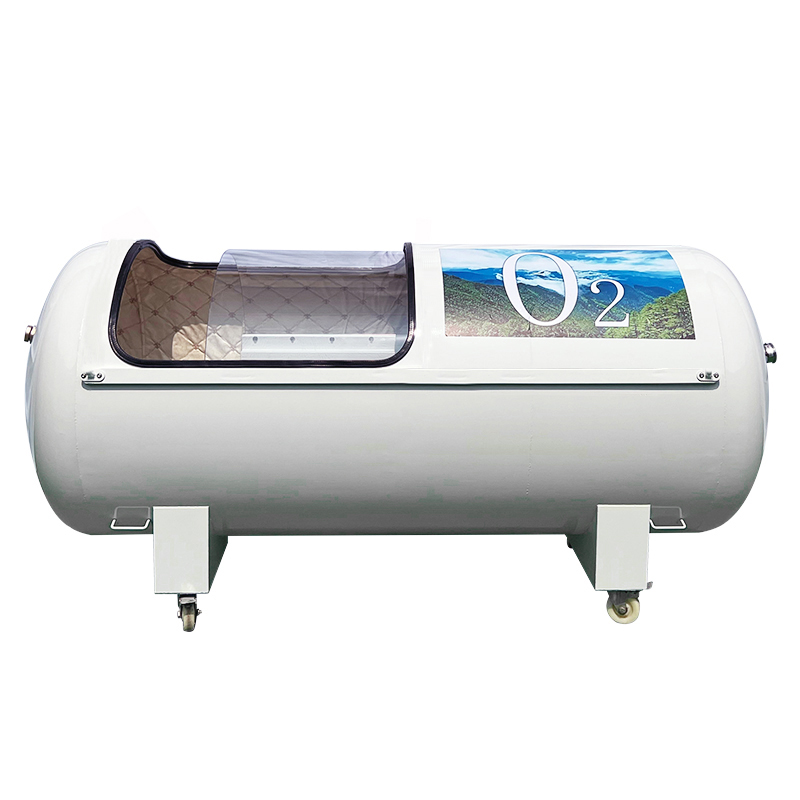
For individuals with diabetes, slow-healing wounds, such as diabetic foot ulcers, pose a significant risk of infection and amputation. HBOT helps by improving blood flow to the affected area and increasing oxygen delivery, which promotes faster healing. This therapy is essential in preventing complications in diabetic patients, as it reduces the risk of infection and accelerates tissue repair.
Following surgery, adequate oxygen supply is vital for collagen synthesis, tissue regeneration, and overall recovery. HBOT facilitates these processes by delivering high concentrations of oxygen directly to the surgical site, which speeds up cellular repair and reduces post-surgical complications such as infection, swelling, and scarring. Research indicates that patients who undergo HBOT after surgery have faster wound closure, reduced pain, and fewer complications, leading to an overall improvement in recovery time and better cosmetic results.
Following surgery, adequate oxygen supply is vital for collagen synthesis, tissue regeneration, and overall recovery. HBOT facilitates these processes by delivering high concentrations of oxygen directly to the surgical site, which speeds up cellular repair and reduces post-surgical complications such as infection, swelling, and scarring. Research indicates that patients who undergo HBOT after surgery have faster wound closure, reduced pain, and fewer complications, leading to an overall improvement in recovery time and better cosmetic results.
HBOT's versatility allows it to be applied to a wide range of conditions, including chronic non-healing wounds, diabetic ulcers, and infections like osteomyelitis. Additionally, it is effective in treating severe conditions such as carbon monoxide poisoning, gas embolism, and decompression sickness. Its ability to deliver oxygen-rich plasma to damaged tissues accelerates healing by improving blood flow and promoting tissue regeneration. HBOT is increasingly used in both acute trauma recovery and long-term chronic conditions, demonstrating its broad therapeutic benefits across various medical disciplines.
HBOT not only accelerates wound healing but also offers long-term health benefits. Research has shown that consistent HBOT use can improve immune function by enhancing white blood cell activity and promoting the body's natural antioxidant defenses. It reduces systemic inflammation, improving conditions like arthritis and chronic fatigue syndrome. Furthermore, studies suggest that HBOT enhances mitochondrial function, increasing energy production and potentially improving physical performance. Its anti-aging effects are also being explored, as it may reduce cellular damage, combat oxidative stress, and slow the aging process by stimulating collagen and elastin production.
Each HBOT session is tailored to the patient’s specific medical needs, with treatment plans adjusted for the type of condition, severity, and response to therapy. Parameters such as oxygen pressure levels, session duration, and frequency are customized to maximize therapeutic outcomes. Continuous monitoring during treatment ensures that patients receive the most effective care and helps healthcare providers make real-time adjustments to avoid complications. This personalized approach ensures that each patient benefits from HBOT in a way that is safe, efficient, and aligned with their recovery goals.
Hyperbaric Oxygen Therapy offers a powerful and effective treatment for a wide range of conditions. By increasing oxygen delivery, reducing inflammation, boosting immune functions, and promoting tissue regeneration, HBOT provides valuable benefits in wound healing and infection treatment. Fugui Oxygen Chamber Technology (Zhongshan) Co., LTD. provides advanced HBOT equipment that optimizes the therapy's effectiveness. Their products support faster recovery for patients dealing with chronic conditions, injuries, and infections, making them an excellent choice for therapeutic solutions.
A: Hyperbaric Oxygen Therapy (HBOT) is a treatment where patients breathe pure oxygen in a pressurized chamber. This helps increase oxygen levels in the blood, promoting faster healing, reducing inflammation, and aiding tissue repair.
A: HBOT accelerates wound healing by increasing oxygen delivery to damaged tissues, promoting the formation of new blood vessels, and enhancing cellular repair processes, which speeds up recovery.
A: HBOT helps improve oxygen supply to hypoxic areas, reduces swelling and inflammation, boosts immune function, and enhances tissue regeneration, benefiting patients with chronic wounds, infections, and injuries.
A: A typical HBOT session lasts about 60 to 90 minutes, depending on the condition being treated. Sessions may vary in frequency, with some patients requiring multiple treatments.
A: Yes, HBOT is effective in treating chronic conditions such as diabetic foot ulcers, osteomyelitis, and radiation-induced injuries by promoting healing, reducing inflammation, and enhancing blood circulation to affected areas.
A: While HBOT is generally safe, some patients may experience ear pressure or temporary fatigue. It's important to consult with a healthcare provider before undergoing HBOT to assess individual suitability.