Fugui Oxygen Chamber Technology (Zhongshan) Co., LTD

- All
- Product Name
- Product Keyword
- Product Model
- Product Summary
- Product Description
- Multi Field Search
English
Views: 0 Author: Site Editor Publish Time: 2025-12-29 Origin: Site


Have you ever wondered how a simple chamber can accelerate healing and treat serious conditions? Hyperbaric oxygen therapy (HBOT) is gaining popularity in both medical and wellness fields. But what exactly is a hyperbaric oxygen chamber used for? In this article, we’ll explore how HBOT works and the various medical conditions it helps treat.
A hyperbaric oxygen chamber is a specialized, pressurized environment designed to deliver 100% pure oxygen. The chambers are used in medical treatments to enhance oxygen intake, which supports healing processes. Inside the chamber, the pressure is increased to two to three times higher than normal atmospheric pressure, allowing the body to absorb more oxygen than it would in standard conditions. There are two primary types of hyperbaric chambers: monoplace chambers, designed for single-person use, and multiplace chambers, which can accommodate several people at once.
Hyperbaric oxygen therapy (HBOT) works by delivering oxygen at a much higher pressure than normal, which allows it to dissolve into the bloodstream more effectively. The increased oxygen levels promote faster healing by improving blood circulation and tissue oxygenation. This helps in repairing damaged tissues and fighting infections. The therapy stimulates collagen production and enhances white blood cell activity, which are crucial for tissue repair and immune function.
HBOT is FDA-approved for treating several serious medical conditions. These include chronic wounds, like diabetic foot ulcers, burns, and carbon monoxide poisoning. By increasing the amount of oxygen delivered to tissues, HBOT accelerates healing, reduces inflammation, and fights infection. It’s particularly effective for wounds that are slow to heal, such as those from surgeries or trauma. Additionally, conditions like gas embolism and decompression sickness (commonly known as "the bends") can also benefit from this therapy, helping to restore proper oxygen levels to vital organs.
Hyperbaric oxygen therapy (HBOT) plays a significant role in treating slow-healing wounds, such as diabetic ulcers. These types of wounds often suffer from poor circulation and insufficient oxygen, which slows down the healing process. By delivering 100% oxygen in a pressurized environment, HBOT increases oxygen saturation in the blood and enhances tissue repair. This is particularly beneficial for diabetic foot ulcers, which can take months to heal using conventional treatments.
In one case study, patients with chronic non-healing wounds showed significant improvement after undergoing multiple HBOT sessions. The therapy promoted new blood vessel growth, which helped bring oxygen and nutrients to the affected area, speeding up recovery.
Decompression sickness, commonly known as "the bends," occurs when a diver ascends too quickly, causing nitrogen bubbles to form in the bloodstream. This can lead to severe pain, joint damage, and even life-threatening conditions. HBOT is used to treat this condition by increasing pressure in the chamber, which helps reduce the size of nitrogen bubbles and allows them to dissolve back into the bloodstream. The pressurized oxygen also promotes healing in tissues affected by the gas embolism. Divers rely on this treatment to avoid permanent damage and speed up recovery.
Carbon monoxide poisoning is another life-threatening condition that HBOT can treat effectively. Carbon monoxide binds to hemoglobin in the blood, preventing oxygen from reaching vital organs. By breathing 100% oxygen in a hyperbaric chamber, the carbon monoxide is displaced from hemoglobin, allowing oxygen to circulate freely again. This method is commonly used in hospitals to treat poisoning, providing rapid recovery and reducing long-term damage.
HBOT is also used to treat other toxicities, such as those from cyanide exposure or smoke inhalation. The increased oxygen levels help detoxify the body more effectively, speeding up recovery.
In addition to chronic wounds, decompression sickness, and carbon monoxide poisoning, hyperbaric oxygen therapy is approved for treating several other serious conditions. For example, gas gangrene, caused by bacterial infection, can destroy tissue rapidly. HBOT helps by improving oxygen delivery to the affected area, thus promoting healing and fighting infection. The therapy is also used for severe infections, skin grafts, and radiation injuries, where it accelerates tissue regeneration and reduces complications.
Condition | How HBOT Helps |
Gas Gangrene | Increases oxygen flow to tissues, helping combat infection |
Severe Infections | Reduces inflammation, promotes faster healing |
Skin Grafts | Enhances oxygenation, speeds up graft survival |
Radiation Injuries | Reduces tissue damage and promotes healing |
These applications show how HBOT can be a life-saving treatment for a variety of medical conditions, supporting the body's natural healing processes.
While hyperbaric oxygen therapy (HBOT) has proven benefits for several medical conditions, some unapproved claims have emerged, particularly in wellness and alternative medicine circles. These claims include uses for anti-aging, autism, and sports injuries. For instance, some proponents suggest that HBOT can slow the aging process by rejuvenating cells and improving skin elasticity. Others claim it can be beneficial for individuals with autism, citing improvements in cognitive function or behavior. Similarly, there are claims that HBOT can enhance athletic performance by speeding up recovery and reducing fatigue.
However, these uses lack substantial scientific research or FDA approval. Currently, there is no conclusive evidence to support the effectiveness of HBOT for these conditions. Although some small studies may show potential benefits, larger, more rigorous trials are necessary before these claims can be validated. Until then, it’s essential to approach such treatments with caution and seek advice from qualified healthcare providers.
Misusing hyperbaric oxygen chambers for non-approved purposes can be dangerous. When not monitored properly, the high pressure and pure oxygen environment can pose health risks. For example, individuals using HBOT for anti-aging or sports recovery without professional supervision may face risks like oxygen toxicity. Excessive exposure to high levels of oxygen can lead to lung damage, seizures, or vision problems. Additionally, the pressure in the chamber can cause ear or sinus injuries if not properly managed.
To ensure safety, it is critical to receive treatment only from certified healthcare providers in accredited medical facilities. These professionals can monitor oxygen levels, adjust pressure settings, and prevent potential side effects. Following safety protocols, such as removing metal objects before entering the chamber and following treatment guidelines, is essential for minimizing risks.
Risk | Potential Effect |
Oxygen Toxicity | Damage to the lungs, dizziness, seizures |
Ear or Sinus Injury | Barotrauma, discomfort, possible long-term damage |
Misuse for Non-Approved Conditions | Lack of evidence and potential harm |
Pressure Injuries | Damage to internal tissues, eardrum rupture |
While the therapeutic uses of HBOT are well-established, unapproved uses should be approached cautiously, and safety precautions should always be followed.
Hyperbaric oxygen therapy (HBOT) plays a key role in boosting the body’s immune system. When the body is exposed to higher levels of oxygen, it enhances the function of white blood cells, which are responsible for fighting infections. These cells become more effective at targeting and eliminating harmful bacteria and viruses. The increased oxygen also improves the ability of the body to respond to pathogens, reducing inflammation and promoting faster recovery from infections.
Scientific studies have shown that HBOT stimulates the production of certain immune factors, such as growth factors and cytokines, which further enhance the body's defense mechanisms. By increasing oxygen saturation, HBOT helps the immune system work more efficiently, particularly in people with compromised immune functions or chronic infections.
Another key benefit of HBOT is its ability to stimulate stem cell production. Stem cells play a crucial role in tissue regeneration, as they have the potential to develop into different types of cells needed for repair. By enhancing the body’s oxygen levels, HBOT stimulates the release of stem cells from bone marrow and other reserves, directing them to areas in need of repair.
Research has demonstrated that HBOT can significantly increase stem cell production, aiding in the regeneration of damaged tissues, including muscle, skin, and bone. A study published in the Journal of Clinical Investigation found that patients undergoing HBOT showed improved tissue healing due to increased stem cell activity. This regeneration process is vital in treating chronic wounds, severe injuries, and conditions like osteoarthritis, where tissue damage is often difficult to repair.
HBOT is increasingly used by athletes to enhance performance and speed up recovery after strenuous activity. One of the main advantages for athletes is the therapy’s ability to reduce fatigue and accelerate muscle recovery. The high oxygen levels allow muscles to recover more quickly by increasing blood circulation and delivering more oxygen to the muscles, which helps reduce lactic acid buildup. This results in reduced muscle soreness and faster healing times.
Several high-profile athletes have used HBOT as part of their recovery regimen. For example, professional football players and Olympic athletes have reported improved recovery times and less muscle pain after intense training sessions. Studies have shown that HBOT can reduce the time needed for muscles to heal and repair, making it an attractive option for athletes looking to optimize performance.
Benefit | Effect on Health |
Boosting Immunity | Enhances white blood cell function and infection defense |
Stem Cell Production | Stimulates tissue regeneration and repair |
Athletic Recovery | Reduces fatigue, speeds up muscle recovery |
Tip: Overall, hyperbaric oxygen chambers not only improve healing and recovery but also enhance overall health by boosting the immune system and promoting tissue regeneration.
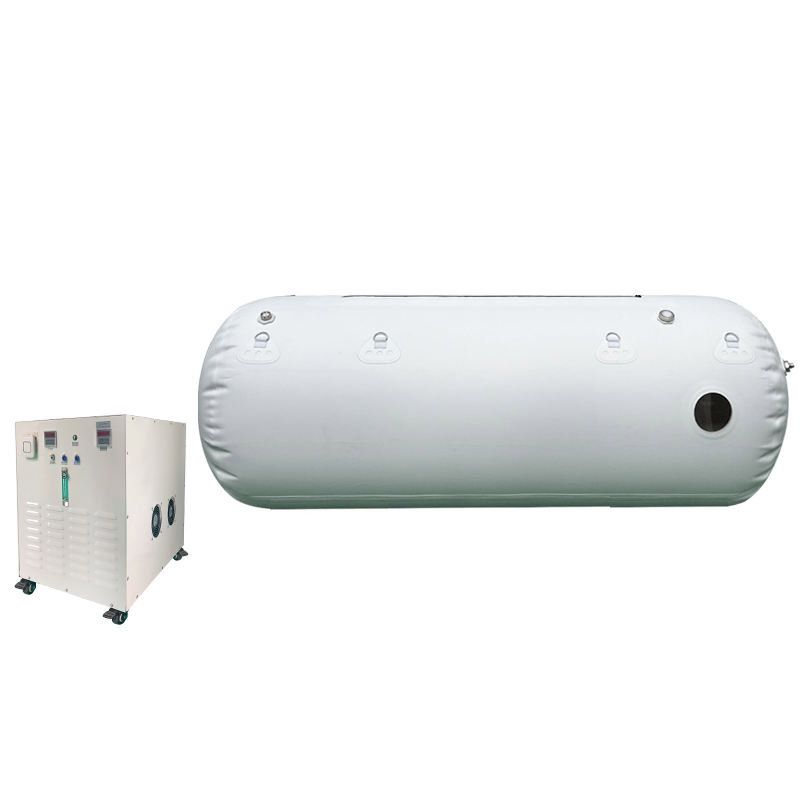
Hyperbaric oxygen therapy (HBOT) is generally considered safe when administered under the supervision of trained healthcare professionals. It has been approved by the FDA for treating specific medical conditions, and numerous studies support its safety for these uses. However, like any medical treatment, there are certain safety considerations. It’s essential to follow prescribed guidelines regarding chamber pressure and oxygen levels to prevent complications.
In some cases, HBOT may be unsafe for individuals with certain pre-existing conditions. For example, people with a collapsed lung, severe respiratory diseases, or certain heart conditions may be at risk. Additionally, individuals with claustrophobia or recent ear injuries should be carefully evaluated before undergoing therapy, as the increased pressure could aggravate these conditions.
Although rare, there are some common side effects associated with HBOT. One of the most frequent complaints is ear pain due to changes in pressure. This is a temporary condition and can be relieved by yawning, swallowing, or using other pressure-equalization techniques. Another potential side effect is claustrophobia, as the chamber is often small and confined. If you feel anxious or uncomfortable, it's essential to communicate with your healthcare provider, who may adjust the chamber settings or offer a sedative to help with relaxation.
Sinus pressure is also common due to the increased atmospheric pressure within the chamber. This can cause discomfort in the sinuses and may lead to a sinus headache. To manage this, healthcare providers typically recommend using a nasal spray before treatment or employing specific breathing techniques to ease the pressure.
After each HBOT session, the healthcare provider will gradually reduce the pressure in the chamber to match the surrounding environment. This decompression process ensures the body adjusts to normal pressure without sudden stress. Following the session, it’s important to monitor vital signs, such as blood pressure and heart rate, to ensure the body is responding well.
The recovery period after HBOT varies depending on the individual's health and the condition being treated. Generally, patients may feel some initial fatigue or lightheadedness but can return to regular activities shortly after the session. For chronic conditions or severe injuries, multiple sessions may be needed, with the body continuing to heal between treatments. It’s essential to stay in contact with your healthcare provider during recovery to monitor progress and adjust the treatment plan as necessary.
Side Effect | Management Strategy |
Ear Pain | Use pressure-equalization techniques (e.g., yawning, swallowing) |
Claustrophobia | Communicate discomfort; use sedatives if prescribed |
Sinus Pressure | Nasal sprays or breathing techniques before therapy |
Fatigue | Rest after treatment and follow recovery guidelines |
Hyperbaric oxygen therapy (HBOT) is widely used for healing chronic wounds, treating decompression sickness, and combating carbon monoxide poisoning. Professional guidance and FDA-approved treatments ensure safety and effectiveness. As HBOT continues to grow in modern medicine and wellness, companies like Fugui are enhancing therapy offerings. Fugui provides high-quality products, ensuring improved treatment outcomes for patients.
A: Oxygen chambers are primarily used to treat conditions like chronic wounds, decompression sickness, and carbon monoxide poisoning by delivering 100% oxygen under pressure, promoting faster healing and improving oxygen absorption in the body.
A: Oxygen chambers help improve health by enhancing oxygen delivery to tissues, boosting immune function, stimulating stem cell production, and promoting faster recovery from injuries or surgeries.
A: Oxygen chambers are essential for healing because they provide increased oxygen levels, which accelerate tissue repair, fight infections, and support overall recovery, especially for chronic or severe wounds.
A: While oxygen chambers are generally safe when used under professional supervision, they may not be suitable for individuals with certain conditions, such as lung diseases or ear injuries. Always consult a healthcare provider before use.


