Fugui Oxygen Chamber Technology (Zhongshan) Co., LTD

- All
- Product Name
- Product Keyword
- Product Model
- Product Summary
- Product Description
- Multi Field Search
English
Views: 0 Author: Site Editor Publish Time: 2025-12-19 Origin: Site


Have you ever wondered how athletes recover faster or how certain medical conditions are treated? An oxygen chamber might be the answer. In this article, we’ll explore what an oxygen chamber is and how it works. You’ll learn about its medical applications and why understanding this therapy is essential for health and wellness.
An oxygen chamber, also known as a hyperbaric chamber, is a specialized environment designed to deliver pure oxygen at higher than normal atmospheric pressure. This setup allows patients to breathe in oxygen more effectively, promoting healing in various medical conditions. There are two main types of oxygen chambers:
● Monoplace Chambers: These are designed for one person and resemble a clear tube. Patients lie on a bed that slides into the chamber, where they receive pure oxygen.
● Multiplace Chambers: These accommodate multiple patients at once. Each individual breathes pure oxygen through a mask or hood while the chamber is pressurized with normal air.
The use of oxygen therapy dates back to the early 20th century. Initially, it was primarily used for treating decompression sickness in divers. Over the years, its applications have expanded significantly, encompassing treatments for carbon monoxide poisoning, serious wounds, and even certain infections.
The mechanism of action in an oxygen chamber is fascinating. When you enter the chamber, the air pressure increases, allowing your lungs to gather much more oxygen than at normal pressure. This process enhances the amount of oxygen dissolved in your blood, which is crucial for healing.
Oxygen therapy has several physiological benefits. Here are some key effects:
1. Removing Trapped Air Bubbles: This is essential for conditions like decompression sickness, where nitrogen bubbles form in the bloodstream.
2. Enhancing Growth of New Blood Vessels and Tissues: Increased oxygen levels stimulate angiogenesis, the process of new blood vessel formation.
3. Supporting Immune System Activity: Oxygen plays a vital role in boosting the immune response, helping the body fight infections more effectively.
Effect | Description |
Removing Trapped Air Bubbles | Helps alleviate symptoms of decompression sickness. |
Growth of New Blood Vessels | Supports healing in damaged tissues. |
Immune System Support | Enhances the body’s ability to combat infections. |
Overall, oxygen chambers provide a unique therapeutic environment that can significantly aid recovery and improve health outcomes. By understanding how they work, we can appreciate their role in modern medicine.
Oxygen chambers are essential in treating various medical conditions. They provide a controlled environment where patients can receive concentrated oxygen, which is crucial for healing. Here are some common conditions treated with oxygen therapy:
● Decompression Sickness: Often experienced by divers, this condition occurs when nitrogen bubbles form in the bloodstream due to rapid ascent.
● Carbon Monoxide Poisoning: Oxygen therapy helps displace carbon monoxide from hemoglobin, allowing for quicker recovery.
● Non-Healing Wounds: Conditions like diabetic foot ulcers and chronic infections benefit from increased oxygen levels, promoting tissue repair.
In critical situations, oxygen therapy can be lifesaving. For instance, it is effective in cases of air bubbles in blood vessels, which can lead to serious complications if not treated promptly. Additionally, serious trauma causing blocked blood flow can be addressed through oxygen therapy, helping to save limbs and improve overall outcomes.
Condition | Treatment Benefits |
Decompression Sickness | Reduces nitrogen bubbles in the bloodstream. |
Carbon Monoxide Poisoning | Accelerates removal of carbon monoxide from the body. |
Non-Healing Wounds | Enhances healing processes in damaged tissues. |
Oxygen chambers play a vital role in emergency medicine. They are often used in acute care settings, where rapid intervention can make a significant difference. Oxygen therapy not only treats the conditions mentioned above but also addresses infections and tissue damage that can arise from various injuries. The immediate availability of oxygen can stabilize patients and prevent further complications.
While primarily used for medical purposes, oxygen chambers have found their way into alternative therapies. Some people seek out oxygen therapy for its supposed benefits in wellness and recovery, even for conditions that lack robust scientific backing.
There are many non-FDA approved uses for oxygen chambers. Some claim benefits for anti-aging, sports recovery, and even conditions like autism spectrum disorder and COVID-19. However, it's essential to note that research on these applications is still limited, and more studies are needed to validate these claims.
The rise of oxygen therapy in wellness centers and spas reflects a growing trend toward holistic health. Many people believe that oxygen therapy can enhance energy levels, improve skin health, and promote overall well-being. However, misconceptions exist about its effectiveness for unapproved conditions. It's important for consumers to approach these therapies with caution and seek professional guidance.
Use Case | Potential Benefits |
Anti-Aging | Claims of improved skin texture and elasticity. |
Sports Recovery | Believed to enhance recovery times and performance. |
Wellness and Spa Treatments | Promotes relaxation and stress relief. |
Oxygen chambers serve multiple purposes beyond just medical treatment. Their applications continue to evolve, making them a fascinating topic in both healthcare and wellness industries.
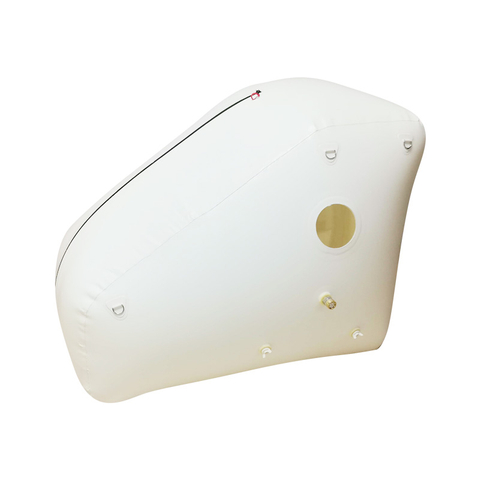
Oxygen chambers provide significant medical benefits that can enhance recovery and healing. They are particularly effective in treating various conditions. Here’s a closer look at some common medical uses:
● Decompression Sickness: This condition occurs when divers ascend too quickly, causing nitrogen bubbles to form in the bloodstream. Oxygen therapy helps eliminate these bubbles and prevents serious complications.
● Carbon Monoxide Poisoning: In cases of carbon monoxide exposure, oxygen therapy is crucial. It displaces carbon monoxide from hemoglobin, allowing the body to recover more rapidly.
● Non-Healing Wounds: Chronic wounds, such as diabetic ulcers, often struggle to heal due to insufficient oxygen supply. Oxygen chambers can promote healing by enhancing oxygen delivery to these tissues.
● Lifesaving and Limb-saving Treatments: In emergencies, oxygen therapy can be lifesaving. For instance, if air bubbles block blood vessels, immediate treatment in an oxygen chamber can prevent severe damage. Additionally, patients with serious trauma benefit from oxygen therapy, as it aids in restoring blood flow and preventing tissue death.
Oxygen chambers are vital in emergency medicine. They provide rapid intervention for critical conditions. For example, they are used to treat infections and tissue damage that can arise from injuries. The immediate availability of oxygen stabilizes patients, reducing the risk of further complications and improving overall outcomes.
Beyond medical applications, oxygen chambers have gained popularity in alternative therapies. Many people seek oxygen therapy for its potential benefits in wellness and recovery, even for conditions lacking robust scientific support.
1. Alternative and Complementary Therapies
Some non-FDA approved uses of oxygen therapy include anti-aging treatments and sports recovery. Although some individuals report benefits, scientific evidence is still limited. Conditions like autism spectrum disorder and COVID-19 have been explored as potential candidates for oxygen therapy, but further research is necessary to substantiate these claims.
2. Popularity in Wellness and Spa Industries
The rise of oxygen therapy in wellness centers and spas reflects a growing trend toward holistic health. Many people believe that oxygen therapy can enhance energy levels, improve skin health, and promote overall well-being. However, misconceptions exist about its effectiveness for unapproved conditions. It’s essential for consumers to approach these therapies with caution and seek professional guidance.
Tip: Oxygen chambers continue to serve multiple purposes beyond traditional medical treatments. Their applications are expanding, making them a fascinating topic in both healthcare and wellness industries.
Preparing for your oxygen chamber therapy can enhance your experience and ensure safety. Here are some essential guidelines to follow.
Before your session, it's important to consider what to wear and what items to avoid. Opt for loose-fitting, comfortable clothing made from natural fibers like cotton. This helps prevent any irritation during the session.
Items to Avoid:
● Synthetic Fabrics: Materials like nylon or polyester can increase fire hazards in an oxygen-rich environment.
● Jewelry: Remove any metal jewelry, as it can also pose a risk.
● Makeup and Perfumes: These products often contain flammable substances, so it's best to avoid them.
Safety Measures:
Oxygen is highly flammable, so following these guidelines minimizes risks. The facility will have strict safety protocols in place, including fire extinguishers and proper ventilation, ensuring a secure environment for your treatment.
Once you arrive for your session, healthcare professionals will guide you through the process. Here’s a step-by-step overview of what to expect:
1. Check-In: You'll complete any necessary paperwork and discuss your medical history with the staff.
2. Preparation: After changing into appropriate clothing, you’ll be escorted to the chamber.
3. Monitoring: Throughout the session, healthcare professionals will monitor your vital signs, ensuring your safety and comfort.
4. Session Duration: Typically, sessions last between 30 minutes to two hours, depending on your treatment plan.
5. Exit: Once the session is complete, staff will assist you in exiting the chamber safely.
Step | Description |
Check-In | Complete paperwork and discuss medical history. |
Preparation | Change into appropriate clothing. |
Monitoring | Vital signs are monitored throughout the session. |
Session Duration | Sessions usually last 30 minutes to two hours. |
Exit | Staff assists in safely exiting the chamber. |
After your oxygen therapy session, proper aftercare is essential for maximizing benefits and ensuring a smooth recovery.
Following your session, it’s vital to hydrate and rest. Drinking plenty of water helps flush out any toxins that may have been released during therapy. Additionally, you might feel a bit fatigued, so listen to your body and take time to relax.
Follow-Up Appointments: Regular follow-ups with your healthcare provider are important to assess the effectiveness of the treatment. These appointments allow for adjustments to your therapy plan if necessary.
While most people tolerate oxygen therapy well, it's crucial to be aware of any signs that may require medical attention. If you experience any of the following symptoms, contact your healthcare provider:
● Severe Headaches: Persistent or worsening headaches can indicate issues related to therapy.
● Shortness of Breath: Difficulty breathing after a session may signal a problem.
● Chest Pain: Any chest discomfort should be evaluated immediately.
Signs to Monitor | Action |
Severe Headaches | Contact your healthcare provider. |
Shortness of Breath | Seek immediate medical advice. |
Chest Pain | Evaluate symptoms with a professional. |
Being well-prepared for your oxygen chamber therapy enhances your experience and promotes effective treatment. Following these guidelines will help ensure a safe and beneficial session.
Oxygen chambers offer numerous benefits, including enhanced healing and recovery. They are used for various medical conditions, providing essential therapy in controlled environments. Consulting healthcare providers is crucial before starting oxygen therapy to ensure safety and effectiveness. The future of oxygen therapy looks promising, with potential advancements in modern medicine. We encourage readers to share their experiences with oxygen therapy. For those interested in high-quality packaging solutions, Fuguo offers unique products that provide exceptional value and service.
A: An oxygen chamber is a controlled environment where patients receive concentrated oxygen to promote healing.
A: It works by increasing oxygen pressure, which enhances oxygen absorption in the body, aiding recovery.
A: Benefits include improved wound healing, reduced inflammation, and enhanced recovery from certain medical conditions.
A: People may need this therapy for conditions like decompression sickness, carbon monoxide poisoning, or chronic wounds.
A: The cost varies by location and provider, but sessions typically range from $100 to $300 each.
A: Yes, potential risks include ear pain, sinus pressure, and, in rare cases, oxygen toxicity.


