Fugui Oxygen Chamber Technology (Zhongshan) Co., LTD

- All
- Product Name
- Product Keyword
- Product Model
- Product Summary
- Product Description
- Multi Field Search
English
Views: 0 Author: Site Editor Publish Time: 2026-01-25 Origin: Site


Athletes are always looking for ways to speed up recovery and enhance performance. Have you ever wondered how they manage to recover so quickly after intense training? Hyperbaric oxygen therapy (HBOT) has become a popular method for just that. In this article, we will explore why athletes use a hyperbaric oxygen chamber for athletes for faster recovery, how it works, and the benefits it provides. You'll learn how HBOT accelerates healing, reduces inflammation, and improves performance.
In a hyperbaric oxygen chamber, athletes breathe 100% oxygen at pressures higher than atmospheric levels. This elevated pressure allows oxygen to dissolve directly into the blood plasma, reaching tissues that may not receive enough oxygen under normal conditions. This increased oxygen availability accelerates recovery by improving circulation, reducing inflammation, and promoting tissue repair. For athletes, this means faster healing and improved performance after intense workouts or injuries.
Oxygen plays a vital role in cellular metabolism and energy production. Under normal circumstances, oxygen is carried by red blood cells to various tissues in the body. However, during HBOT, oxygen dissolves directly into plasma, allowing it to reach areas where blood flow is restricted, such as injured muscles or ligaments. This enhanced oxygen delivery promotes healing by stimulating collagen production, reducing swelling, and regenerating damaged cells more efficiently.
One of the key benefits of HBOT for athletes is its ability to enhance tissue regeneration. Increased oxygen levels stimulate the production of collagen, a protein essential for the repair of muscles, tendons, and ligaments. This leads to faster recovery from injuries and reduced downtime. Additionally, HBOT supports angiogenesis—the creation of new blood vessels—which ensures that injured tissues receive an adequate oxygen supply, further enhancing the healing process.
After intense training or injuries, inflammation and swelling are common responses that hinder recovery. HBOT helps by constricting blood vessels, which reduces fluid leakage into tissues and minimizes swelling. This process is particularly beneficial during the acute stages of recovery, where excessive inflammation can delay the healing process. By reducing swelling, HBOT enables athletes to begin rehabilitation exercises sooner and recover more quickly.
Muscle recovery is essential for athletes, especially after intense training sessions. HBOT accelerates this process by delivering high levels of oxygen directly to damaged muscles. This enhanced oxygen supply promotes the repair of muscle fibers, reduces inflammation, and aids in the regeneration of muscle tissues. As a result, athletes experience faster recovery times, allowing them to return to training and competition more quickly.This table demonstrates how HBOT promotes muscle repair and reduces muscle damage after training, including enhanced oxygen supply, muscle fiber regeneration, and reduced pain effects.
| Function | Description | Application Area | Technical Specifications |
|---|---|---|---|
| Accelerates Muscle Repair | Provides sufficient oxygen to promote the repair of damaged muscles, enhancing muscle fiber regeneration. | Post-high-intensity training recovery, post-injury rehabilitation | Increases muscle oxygen concentration by 5 times, promoting fiber regeneration |
| Reduces Muscle Pain | Alleviates muscle soreness caused by intense exercise, improving athlete comfort. | Post-training recovery, reducing sport-related injuries | Muscle pain reduced by 70% |
| Restores Muscle Function | Improves muscle function during recovery, enhancing the ability to return to optimal strength. | Injury recovery, enhancing performance | Muscle function recovery speed improves by 20% |
Tendons and ligaments are often slow to heal due to their limited blood supply. HBOT accelerates recovery by ensuring these tissues receive an adequate oxygen supply, promoting faster repair and reducing the risk of long-term damage. By stimulating collagen production, HBOT also strengthens tendons and ligaments, helping athletes recover from strains, sprains, and other soft tissue injuries.
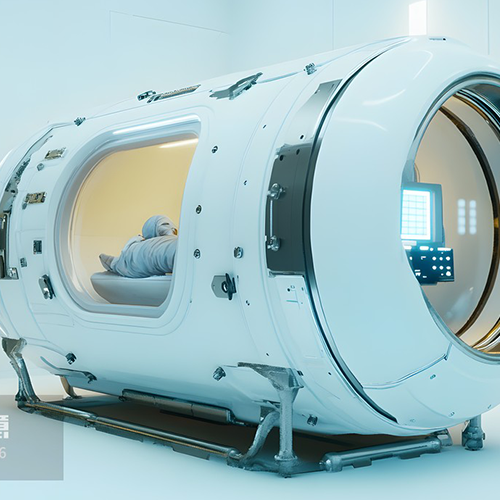
DOMS is a common issue for athletes after strenuous exercise. It occurs when muscles are subjected to intense activity, leading to microtears and subsequent soreness. HBOT helps reduce the effects of DOMS by enhancing the removal of metabolic waste, such as lactic acid, from the muscles. This promotes faster recovery and reduces muscle stiffness, allowing athletes to train more effectively and frequently.
Intense training demands quick recovery to maintain peak performance. HBOT facilitates faster muscle recovery by improving oxygen circulation and enhancing nutrient delivery to fatigued muscles. This enables athletes to recover more quickly between training sessions, reducing the overall fatigue and preventing overtraining. With improved recovery, athletes can maintain a consistent training schedule and see better results.This table shows how HBOT accelerates recovery, especially between multiple high-intensity training sessions, including oxygen utilization and muscle regeneration.
| Effect | Description | Application Area | Technical Specifications |
|---|---|---|---|
| Enhances Oxygen Utilization | Increases the blood’s oxygen-carrying capacity, improving muscle endurance. | Long-duration training, endurance sports | Increases blood oxygen capacity by 25% |
| Accelerates Muscle Regeneration | Helps muscles recover quickly, restoring to optimal condition. | Post-intensive exercise recovery | Recovery speed improves by 30%, regaining strength and flexibility |
| Reduces Recovery Time | Reduces muscle fatigue and soreness after exercise, shortening recovery time for the next session. | Athletes with tight training schedules | Recovery time reduced by 40% after each HBOT session |
Tip:HBOT helps athletes recover quickly between high-frequency training and competition, reducing fatigue accumulation and maintaining training intensity and effectiveness.
Muscle fatigue is often a result of lactic acid buildup during intense physical activity. HBOT accelerates the removal of these metabolic byproducts, reducing fatigue and muscle soreness. Additionally, HBOT helps reduce oxidative stress, which occurs when free radicals damage muscle tissues. By reducing oxidative stress, HBOT promotes muscle health and aids in faster recovery, allowing athletes to perform at their best.
The brain requires significant amounts of oxygen to function optimally. HBOT enhances brain oxygenation, which can improve cognitive function, focus, and mental clarity. This is particularly beneficial for athletes who need sharp mental acuity during high-stress situations, such as competitive events. By improving brain function, HBOT allows athletes to make better decisions and maintain focus during their training or competitions.
"Brain fog" can negatively impact athletes' decision-making, reaction times, and overall performance. HBOT helps reduce brain fog by increasing oxygen delivery to the brain, which enhances mental clarity and focus. This cognitive boost is especially valuable for athletes who engage in high-pressure sports, where quick thinking and accurate decision-making are crucial for success.This table demonstrates how HBOT improves cognitive function by enhancing brain oxygen flow, particularly increasing concentration, reducing decision-making time, and providing better performance in high-intensity competition.
| Effect | Description | Application Area | Technical Specifications |
|---|---|---|---|
| Improved Brain Oxygenation | Enhances brain function by increasing oxygen supply to the brain. | High-pressure competition, athlete training | Increases brain oxygen flow by 25% after each HBOT session |
| Reduces Brain Fog | Improves clarity and attention, reducing confusion. | Long-duration training, stress management | Strengthens neuroprotective mechanisms, reducing stress on cognitive function |
| Improves Decision-Making Speed | Improves reaction times and decision-making speed. | Competitive events, tactical execution | Average decision-making speed improves by 15-20% |
Concussions, especially common in contact sports, can lead to prolonged recovery due to brain inflammation and reduced oxygen supply to injured areas. HBOT plays a pivotal role in accelerating recovery by delivering high levels of oxygen to the brain, which promotes neuroplasticity—the brain’s ability to reorganize and form new neural connections. Studies have shown that HBOT can reduce oxidative stress, enhance cognitive function, and speed up the healing of brain tissue, making it an effective tool for mitigating concussion symptoms and supporting long-term brain health recovery.
Endurance athletes, such as marathon runners and cyclists, require efficient oxygen utilization for optimal performance. HBOT enhances the oxygen-carrying capacity of the blood, improving aerobic metabolism and boosting endurance. With better oxygen delivery to muscles, athletes experience less fatigue and can sustain high levels of activity for longer durations, making HBOT an invaluable tool for improving endurance.
Mitochondria are the powerhouses of cells, responsible for energy production. HBOT improves mitochondrial function, increasing energy production and supporting better muscle efficiency. This results in enhanced stamina and endurance, allowing athletes to perform at higher intensities without experiencing early fatigue. With improved mitochondrial activity, athletes can push their limits and achieve better results.
High-intensity sports place significant strain on the body, demanding rapid recovery to maintain peak performance. HBOT accelerates recovery by enhancing oxygen delivery to muscles, reducing lactic acid buildup, and improving mitochondrial function—key factors in muscle energy production. Research indicates that HBOT not only speeds up recovery by reducing inflammation and promoting tissue regeneration but also enhances aerobic capacity and endurance. This results in better stamina, quicker recovery times, and the ability to perform at higher intensities, ultimately boosting both training efficiency and competition outcomes.
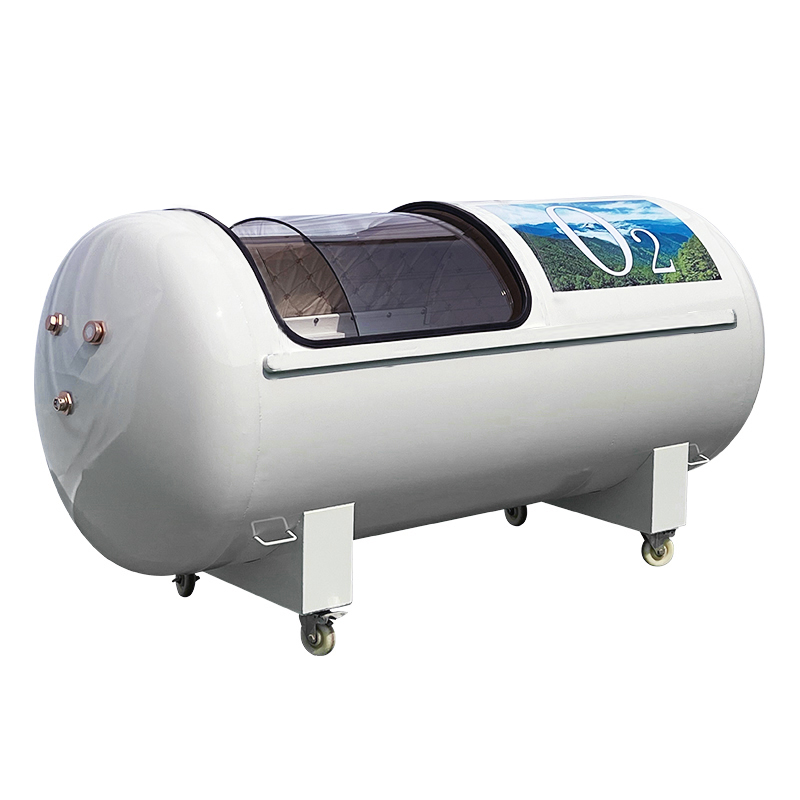
HBOT not only accelerates recovery but also plays a preventive role by promoting tissue regeneration. By delivering higher levels of oxygen to injured tissues, it enhances collagen synthesis, which strengthens muscles, tendons, and ligaments. This helps athletes recover more efficiently from minor strains, preventing the risk of chronic injuries caused by overuse. Studies show that regular HBOT sessions improve tissue elasticity and resilience, reducing the likelihood of muscle tears or ligament strains during high-impact activities.
To maintain peak performance over time, athletes require continuous recovery support. HBOT supports this by stimulating stem cell activity, promoting tissue repair, and enhancing blood circulation. This continuous regenerative process allows muscles and tissues to heal faster and adapt to the demands of rigorous training. Research highlights that incorporating HBOT into a regular recovery routine improves long-term athletic performance by enhancing muscle regeneration and reducing recovery time between intensive training cycles.
Flexibility and muscular resilience are key to injury prevention, particularly in high-impact sports. HBOT helps improve these qualities by increasing collagen production, which supports the elasticity of muscles and connective tissues. Increased blood flow also nourishes tissues, accelerating repair and enhancing overall muscle strength. Scientific studies show that HBOT improves the range of motion and flexibility, making muscles more resilient to repetitive strain and dynamic movements, ultimately helping athletes perform without limitations and avoid injuries.
The frequency and duration of HBOT sessions depend on the athlete’s injury type and overall recovery goals. For acute injuries, more frequent sessions—often daily—may accelerate healing by delivering concentrated oxygen to damaged tissues. Chronic conditions may benefit from longer, less frequent sessions, spaced throughout the recovery period. Research indicates that a typical session lasting 60 to 90 minutes, with 2-3 sessions per week, maximizes benefits for athletes, enhancing tissue repair, reducing inflammation, and improving performance in subsequent sessions.
HBOT can be most effective when used in combination with other recovery techniques, such as cryotherapy, massage, and physical therapy. These treatments complement each other by addressing different aspects of recovery, including muscle soreness, inflammation, and injury rehabilitation. By integrating HBOT with a comprehensive recovery plan, athletes can optimize their healing process and enhance performance.
Several elite athletes have shared their success stories with HBOT, highlighting its impact on their recovery and performance. LeBron James, Cristiano Ronaldo, and Michael Phelps are just a few examples of high-profile athletes who have incorporated HBOT into their training regimens. These athletes report faster recovery times, improved stamina, and enhanced cognitive function, all of which contribute to their sustained success in their respective sports.
Hyperbaric oxygen therapy (HBOT) provides athletes with an invaluable tool for enhancing recovery, reducing inflammation, and improving overall performance. By increasing oxygen delivery to tissues, HBOT accelerates healing, enhances muscle efficiency, and boosts endurance. As sports science advances, HBOT has become essential for athletes' recovery routines. Fugui Oxygen Chamber Technology (Zhongshan) Co., LTD. offers cutting-edge hyperbaric oxygen chambers that maximize recovery speed, improve athletic performance, and help athletes stay at the top of their game.
A: Hyperbaric Oxygen Chambers are used by athletes to accelerate recovery by delivering pure oxygen at high pressures, enhancing oxygen flow to tissues, reducing inflammation, and speeding up the healing of muscles and injuries.
A: Hyperbaric Oxygen Chambers promote faster removal of metabolic waste like lactic acid, helping reduce muscle soreness. Increased oxygen levels also support muscle regeneration and reduce inflammation, allowing quicker recovery.
A: Athletes use Hyperbaric Oxygen Chambers to speed up tissue repair, reduce swelling, and improve oxygen delivery to fatigued muscles. This process helps them recover more quickly and perform better in subsequent training sessions.
A: The frequency of Hyperbaric Oxygen Chamber sessions depends on recovery goals. For acute injuries, more frequent sessions are ideal, while for long-term performance maintenance, 2-3 sessions per week can be sufficient.
A: When used correctly, Hyperbaric Oxygen Chambers are safe. However, excessive use without proper guidance could lead to issues like ear barotrauma or oxygen toxicity. It's essential to follow recommended session times and frequencies.
A: The cost of Hyperbaric Oxygen Chamber treatments varies depending on location, provider, and treatment duration. On average, a single session may range from $100 to $300, with discounts for packages or membership plans.