Fugui Oxygen Chamber Technology (Zhongshan) Co., LTD

- All
- Product Name
- Product Keyword
- Product Model
- Product Summary
- Product Description
- Multi Field Search
English
Views: 0 Author: Site Editor Publish Time: 2025-12-19 Origin: Site


Have you ever wondered how oxygen can heal wounds? Hyperbaric oxygen therapy (HBOT) uses an oxygen chamber to deliver pure oxygen under pressure. This innovative treatment enhances healing and supports bodily functions.
In this post, we’ll explore why HBOT is gaining popularity in modern medicine and its vital role in recovery.
Hyperbaric oxygen therapy (HBOT) takes place in a specialized oxygen chamber. This chamber is pressurized, allowing patients to breathe 100% oxygen. The increased pressure enhances the body's ability to absorb oxygen, which is crucial for healing.
In this environment, oxygen can dissolve more effectively in blood plasma, reaching tissues that might not receive enough oxygen under normal conditions. The mechanics of the chamber involve gradually increasing the pressure during the session, which can be likened to diving underwater. As pressure increases, patients experience a sensation similar to what divers feel.
Mechanics of the Oxygen Chamber | Effects on Oxygen Absorption |
Pressurized environment | Enhances oxygen saturation |
Pure oxygen delivery | Increases oxygen availability |
Controlled pressure adjustments | Facilitates healing processes |
A typical HBOT session lasts between 60 to 120 minutes, depending on the treatment plan. Patients lie comfortably in the chamber, which may resemble a large tube or a room designed for multiple people.
During the session, you can relax, listen to music, or even watch movies. Nurses monitor your condition closely, ensuring comfort and safety throughout. Patients usually undergo multiple sessions per week, tailored to their specific health needs.
When oxygen levels rise, the body initiates several healing processes. Increased oxygen enhances tissue repair and regeneration, making it vital for recovering from injuries. It also plays a significant role in reducing inflammation and fighting infections.
For instance, higher oxygen levels stimulate the production of growth factors and stem cells, which are essential for healing wounds. This is particularly beneficial for chronic wounds that resist healing.
HBOT improves blood flow and oxygen delivery to tissues, which is crucial for recovery. The mechanism involves oxygen binding to red blood cells and dissolving in plasma. This dual action ensures that even damaged tissues receive adequate oxygen.
As a result, patients experience improved healing rates for various conditions, including diabetic ulcers and radiation injuries. Understanding this mechanism highlights why oxygen therapy is increasingly used in modern medicine.
Mechanism | Benefits |
Improved oxygen delivery | Faster wound healing |
Enhanced blood flow | Reduced inflammation and pain |
Increased oxygen saturation | Strengthened immune response |
This combination of increased oxygen absorption and enhanced blood flow makes hyperbaric oxygen therapy a powerful tool in contemporary healthcare.
Hyperbaric oxygen therapy (HBOT) is used to treat a variety of medical conditions. Here’s a list of some common indications:
● Decompression Sickness: Often experienced by divers, this condition occurs when nitrogen bubbles form in the bloodstream as pressure decreases.
● Carbon Monoxide Poisoning: HBOT helps displace carbon monoxide from hemoglobin, restoring oxygen levels in the body.
● Chronic Non-Healing Wounds: Conditions like diabetic ulcers benefit from increased oxygen supply, which promotes healing.
● Radiation Injuries: Patients suffering from tissue damage due to radiation therapy can experience improved recovery with HBOT.
● Peripheral Arterial Insufficiencies: This condition involves reduced blood flow to limbs, and HBOT can enhance oxygen delivery.
● Crush Injuries: Injuries that result from severe trauma can heal faster with the help of increased oxygen levels.
● Severe Anemia: In cases where blood transfusions are not an option, HBOT can provide critical oxygen support.
Condition | Description |
Decompression Sickness | Nitrogen bubbles in the bloodstream |
Carbon Monoxide Poisoning | Displacement of carbon monoxide from hemoglobin |
Chronic Non-Healing Wounds | Enhanced healing for diabetic ulcers |
Radiation Injuries | Improved tissue recovery post-radiation therapy |
Peripheral Arterial Insufficiencies | Increased oxygen delivery to limbs |
Crush Injuries | Faster healing from severe trauma |
Severe Anemia | Oxygen support when transfusions are unavailable |
Research is expanding the applications of HBOT beyond traditional uses. New areas of exploration include:
● Sports Medicine: Athletes use HBOT to enhance recovery from injuries and improve performance. The therapy helps reduce recovery time and boosts endurance.
● Anti-Aging Treatments: Some clinics promote HBOT for its potential anti-aging effects, claiming it rejuvenates skin and enhances overall vitality.
● Neurological Conditions: Conditions like traumatic brain injury (TBI) and stroke are being studied for potential benefits from HBOT. Increased oxygen delivery may help repair damaged brain tissue and improve cognitive functions.
HBOT significantly promotes healing in chronic wounds. By delivering high levels of oxygen, it stimulates the production of growth factors and stem cells. This process is essential for tissue regeneration and repair. Patients with diabetic ulcers, for instance, often see improved healing rates after undergoing HBOT.
Increased oxygen levels lead to a stronger immune response. Oxygen therapy boosts the activity of white blood cells, which play a crucial role in fighting infections. This enhanced immune function can be particularly beneficial for patients recovering from surgery or those with compromised immune systems.
HBOT has notable anti-inflammatory effects. It helps reduce swelling and inflammation, making it effective for conditions like fibromyalgia and chronic fatigue syndrome. Patients often report relief from symptoms, allowing them to return to their daily activities more comfortably.
Benefit | Effect |
Accelerated Wound Healing | Stimulates growth factors and stem cell production |
Enhanced Immune Response | Boosts white blood cell activity |
Reduction of Inflammation and Swelling | Alleviates symptoms of fibromyalgia and chronic fatigue |
With its diverse applications and significant benefits, hyperbaric oxygen therapy stands out as a valuable treatment option in modern medicine.
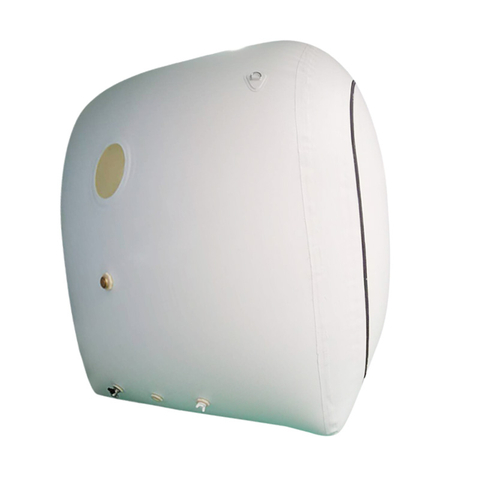
Hyperbaric oxygen therapy (HBOT) is recognized as a safe treatment option, having received approval from the FDA for specific medical conditions. The FDA has established guidelines to ensure patient safety and effective use of HBOT. These regulations help healthcare providers deliver therapy in a controlled environment, minimizing risks and enhancing treatment outcomes.
In clinical settings, HBOT is administered by trained professionals who follow strict protocols. This oversight ensures that patients receive the correct dosage of oxygen and that the therapy is appropriate for their medical condition.
Regulatory Aspect | Details |
FDA Approval | Approved for specific conditions |
Safety Standards | Established guidelines for administration |
Professional Oversight | Administered by trained healthcare providers |
While most patients tolerate HBOT well, some may experience side effects. Common issues include:
● Ear Pain: As pressure increases in the chamber, patients might feel discomfort in their ears, similar to what one experiences during a flight.
● Sinus Congestion: The pressurized environment can lead to temporary sinus pressure, causing discomfort.
● Temporary Nearsightedness: Some individuals report changes in vision during or after treatment, though this typically resolves quickly.
In rare cases, more serious side effects can occur. These include oxygen toxicity, which can lead to seizures if oxygen levels become excessively high. Such incidents are extremely uncommon, especially when therapy is conducted under professional supervision.
Common Side Effects | Description |
Ear Pain | Discomfort due to pressure changes |
Sinus Congestion | Temporary pressure in the sinuses |
Temporary Nearsightedness | Changes in vision that usually resolve quickly |
Rare Serious Effects | Oxygen toxicity and potential seizures |
Although HBOT is generally safe, certain individuals should avoid it. Contraindications include:
● Pneumothorax: A condition where air leaks into the space between the lung and chest wall can be exacerbated by increased pressure.
● Chronic Obstructive Pulmonary Disease (COPD): Patients with severe COPD may struggle to tolerate the pressure changes in the chamber.
● Certain Medications: Some drugs can interact negatively with oxygen therapy, making it essential to discuss any medications with healthcare providers before treatment.
It’s crucial for patients to undergo a thorough medical evaluation before starting HBOT. This ensures that the therapy is suitable for their specific health conditions and helps mitigate risks.
Contraindications | Reason for Avoidance |
Pneumothorax | Risk of worsening lung conditions |
Chronic Obstructive Pulmonary Disease | Difficulty managing pressure changes |
Certain Medications | Potential negative interactions with oxygen therapy |
Understanding these safety aspects and potential side effects helps patients make informed decisions about hyperbaric oxygen therapy. It also underscores the importance of consulting healthcare professionals to ensure a safe and effective treatment experience.
The field of hyperbaric oxygen therapy (HBOT) is evolving rapidly, thanks to technological advancements. Modern oxygen chambers are now designed with enhanced safety features and improved patient comfort. For instance, many new chambers allow for multiplace therapy, accommodating several patients simultaneously while providing individual control over oxygen levels.
Additionally, some chambers now include integrated monitoring systems that track vital signs in real time. This feature ensures that healthcare providers can respond quickly to any changes during treatment. The design of these chambers has also become more user-friendly, often featuring larger windows and entertainment options to help patients feel more at ease during sessions.
Innovation | Description |
Multiplace Chambers | Allow multiple patients to be treated at once |
Integrated Monitoring Systems | Track vital signs in real time |
Enhanced Comfort Features | Larger windows and entertainment options |
Ongoing research is expanding the horizons of HBOT, exploring new applications and benefits. Clinical trials are currently investigating its effectiveness in treating conditions such as autism spectrum disorders, traumatic brain injuries, and even post-traumatic stress disorder (PTSD). These studies aim to uncover how increased oxygen levels can aid in recovery and improve quality of life for patients.
Moreover, researchers are examining the potential of combining HBOT with other therapies, such as physical rehabilitation and stem cell treatments. This integrative approach could enhance recovery outcomes for patients with complex medical needs. By synergizing therapies, healthcare providers hope to maximize the benefits of oxygen therapy while addressing multiple aspects of a patient’s health.
Research Focus | Potential Applications |
Autism Spectrum Disorders | Exploring behavioral and cognitive improvements |
Traumatic Brain Injuries | Investigating recovery and cognitive function |
PTSD | Assessing emotional and psychological benefits |
Integration with Other Therapies | Enhancing recovery through combined treatment plans |
As more studies emerge, the future of HBOT looks promising. These innovations and research efforts could significantly enhance the effectiveness of oxygen therapy, making it a vital part of modern medicine.
Hyperbaric oxygen therapy plays a vital role in modern medicine. It effectively treats various conditions, including chronic wounds and decompression sickness. Patients benefit from accelerated healing and enhanced immune responses. It is essential to consult healthcare providers about suitable conditions for HBOT. Companies like Fugui offer advanced oxygen therapy solutions, ensuring patient safety and comfort. Their products provide unique advantages, helping to improve treatment outcomes and overall health.
A: Hyperbaric oxygen therapy (HBOT) involves breathing pure oxygen in a pressurized oxygen chamber, enhancing oxygen delivery to tissues.
A: An oxygen chamber increases oxygen levels in the blood, promoting faster healing of wounds and reducing inflammation.
A: HBOT is used for its effectiveness in treating conditions like chronic wounds, decompression sickness, and carbon monoxide poisoning.
A: Benefits include accelerated wound healing, enhanced immune response, and reduced inflammation, making it a valuable treatment option.
A: The cost of HBOT varies based on location and treatment length, but it typically ranges from $200 to $600 per session.
A: Individuals with certain conditions, such as pneumothorax or severe COPD, should avoid using an oxygen chamber due to potential risks.


